












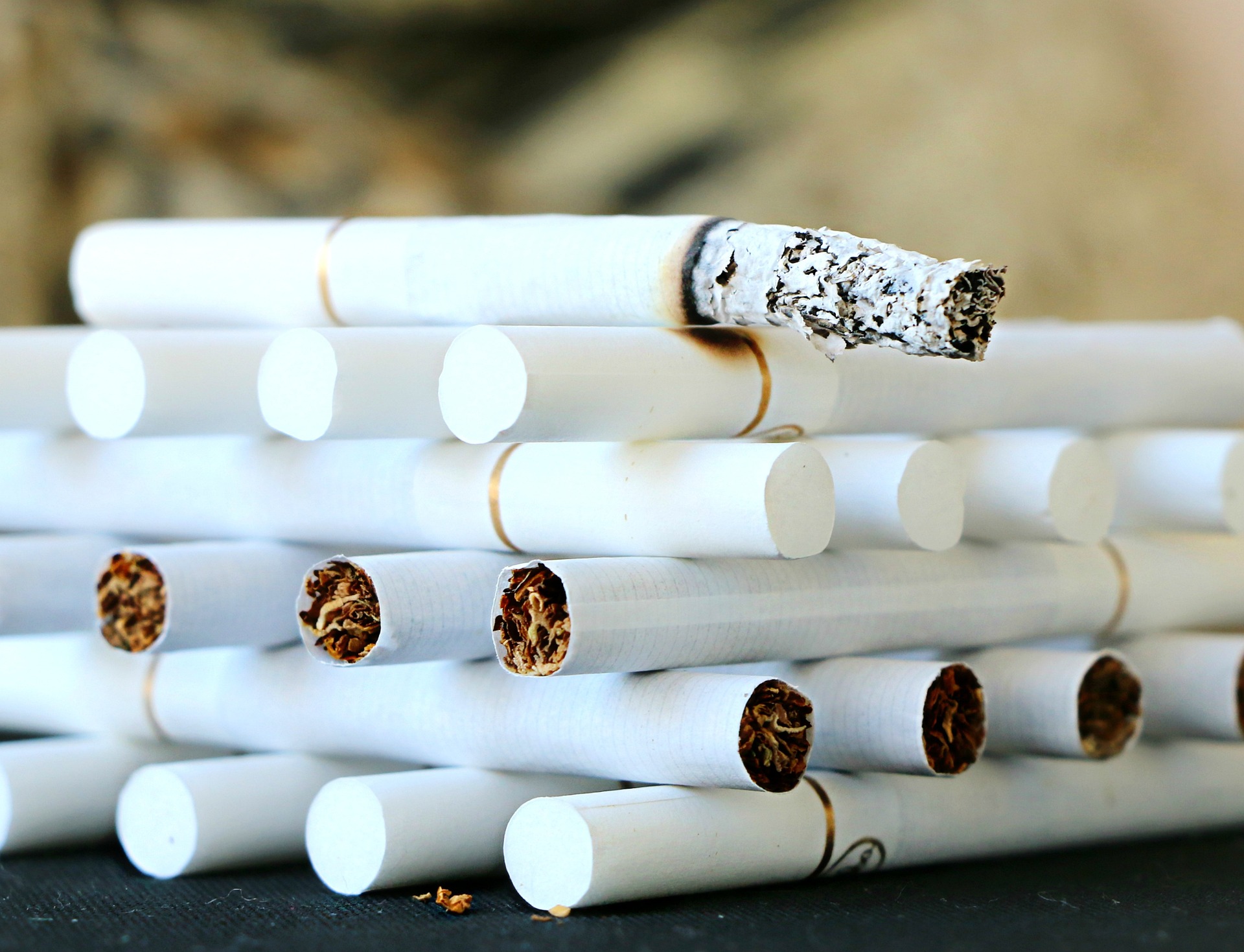
New Zealand’s new government will scrap the country’s innovative law to ban smoking for future generations to help pay for tax cuts.
Last year, under Jacinda Arden’s leadership, the law would have banned cigarette sales in 2024 to anyone born after 2008.
Health experts and groups have strongly criticized the sudden reversal.
The legislation passed last year had been acclaimed internationally with research models backing the key reforms, says the BBC.
Measures included restricting the number of tobacco retailers, and reducing the level of nicotine in cigarettes.
New Zealand’s laws were believed to have inspired the UK government in September to announce a similar smoking ban for young people.
However, despite being praised as a public health policy, the Smokefree measures drew opposition from some business groups in New Zealand. Owners of newsagents and corner shops criticized the loss of revenue – even with government subsidies.
Some lawmakers, including the new Prime Minister Chris Luxon, argued a ban would lead to a black market for tobacco. But his National party, which won 38% of the vote in the 14 October election, did not mention the Smokefree laws during election campaigning.
NZ’s new finance minister, Nicola Willis, stated that National’s partners in the governing coalition (the populist New Zealand First and libertarian Act) had been “insistent” on reversing the laws. Despite election victory, the centre-right National party has struggled for weeks in policy negotiations to form a government with the two minor parties.
A deal was only agreed to on Friday, six weeks after the election, allowing the new government to be sworn in on Monday. New Zealand First – which won 6% of the vote – had been the only party to campaign on repealing the smoking laws. Both minor parties blocked a flagship National policy to open up foreign property ownership…which the party had been relying on to fund tax cuts for middle and higher-income earners.
“We have to remember that the changes to the Smokefree legislation had a significant impact on the government books, with about a billion dollars there”, Willis told New Zealand broadcaster TV3’s Newshub Nation.
The laws still need to be actively repealed through parliament, where the government has a majority.
“The suggestion that tax cuts would be paid by people who continue to smoke is absolutely shocking”, Emeritus Prof Robert Beaglehole, chair of New Zealand’s Action for Smokefree 2025 committee told Pacific Media Network.
Public health modelling conducted in 2022 had shown the Smokefree policy would have saved New Zealand’s health system about NZ$1.3bn (£630m; $790m) over the next 20 years.
New Zealand still aims to reduce its national smoking rate to 5% by 2025, with the aim of eventually eliminating it altogether.
