











Whatever Trump’s shortcomings, the world should stand as one on freedom of navigation – and this now includes, once more, the Red Sea.
The Middle East conflict seems to be expanding as the renewed fighting between the United States and Iran entered its tenth consecutive night and spread into new geographic and economic arenas. While US forces continued striking Iranian military targets — including missile launch sites, command centers, drone facilities, air-defense systems, and maritime capabilities — Iran responded with a wider campaign aimed not only at military installations but also at critical civilian infrastructure and global energy routes.
A critical development, as I discussed on NewsX, was the (re)opening of a new front by Yemen’s Iran-backed Houthi movement. The Houthis formally announced a blockade of Saudi Arabia’s Red Sea ports and emailed international shipping companies warning that any vessel loading or unloading cargo at Saudi ports could be targeted anywhere within the operational reach of Houthi forces. The threat immediately affected commercial shipping, with two Saudi crude oil tankers bound for China and India reversing course in the Red Sea. The blockade places Saudi Arabia’s primary Red Sea export route at risk just as traffic through the Strait of Hormuz has already been severely reduced by the broader conflict, raising concerns about global oil supplies and international trade.
Iran also intensified attacks against US partners in the Gulf. Iranian drones and missiles targeted sites in Bahrain, Kuwait, and Jordan, while Jordan reported intercepting several drones. Particularly concerning were continued strikes on civilian infrastructure. Recent attacks damaged Kuwait’s power generation and desalination facilities, forcing electricity-generating units offline and raising fears of water shortages in a country that relies heavily on desalinated water. . Iranian state media also claimed strikes on facilities housing US personnel in Bahrain and on infrastructure associated with Amazon, though it’s unverified. They’re obviously hoping the Gulfies will howl for the US to accept any demand; as said before, the Iranians may be overplaying their hand.
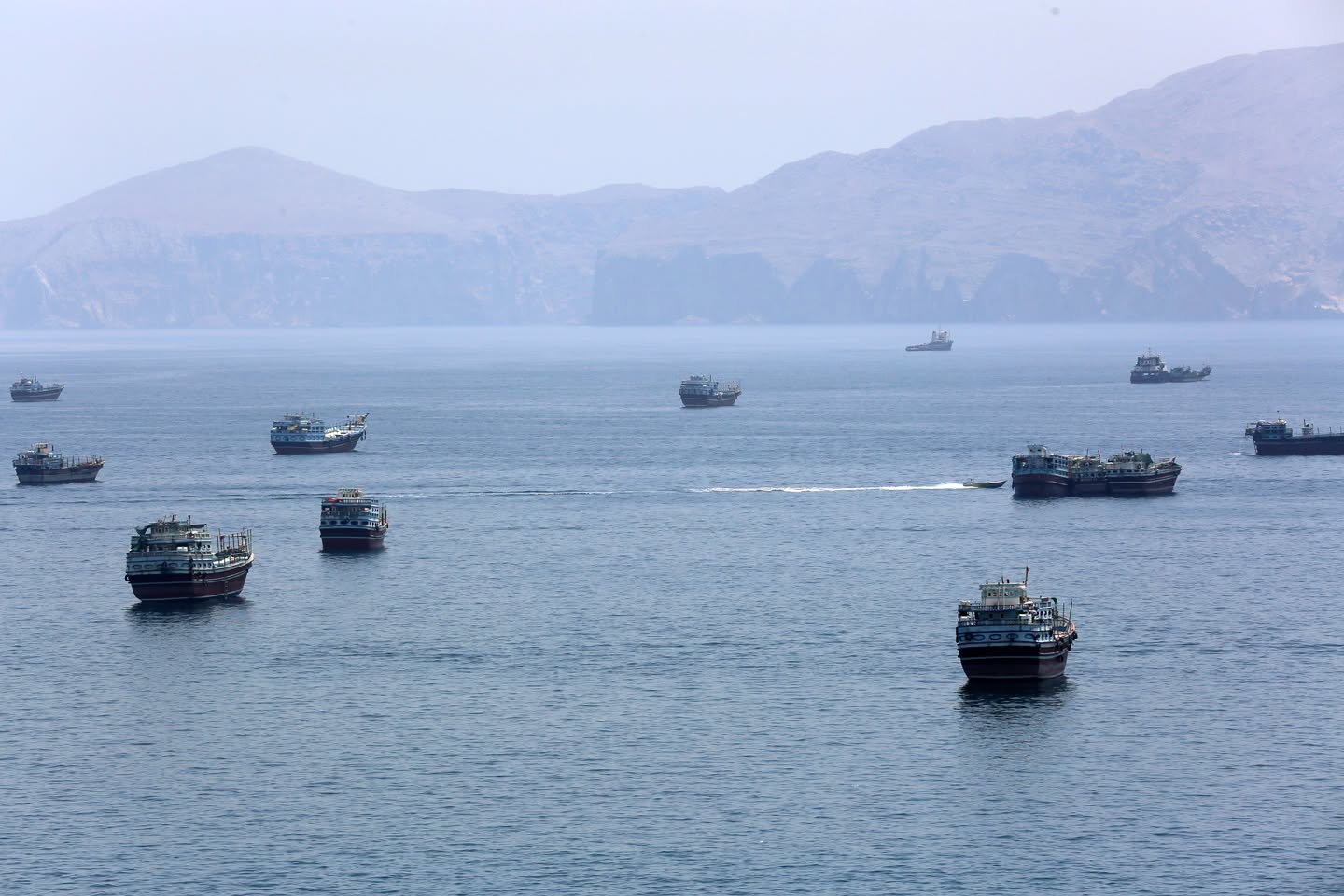
In the Strait itself, a commercial tanker reported being struck by a projectile, forcing its crew to abandon the vessel, while Iran claimed two additional tankers caught fire. So we now see threats to both Middle East shipping chokepoints — the Strait of Hormuz and the Bab el-Mandeb — through which a substantial share of the world’s oil and liquefied natural gas normally passes.
Despite this, diplomatic efforts continued behind the scenes with mediators reportedly proposing a 10-day ceasefire again. All of this underscores: While there were legitimate criticisms of the US campaign earlier this year (Trump is impulsive, offensive to allies and generally absurd), that has been overtaken by events. Iran Hormuz gambit directly challenges a foundation of the international order: the principle that the seas remain open to all, and the world must unite.
For the full analysis, and the assassinations debate, read on.
