













‘Stability and predictability’ needed, investors say
Romania’s economic progress essentially depends on a stable and predictable governance framework, international investors said in a statement on Monday as the county was plunged into a political crisis.
The Foreign Investors Council said the collapse of the ruling coalition last week came as fiscal consolidation is already dampening economic growth and consumption, while budget and current account deficits remain high. Thee budget deficit was 7.5% in 2025 down from 9.3% in 2024.
“This makes the economy more vulnerable to any form of uncertainty,” they said in a statement said sent to Startup Cafe.
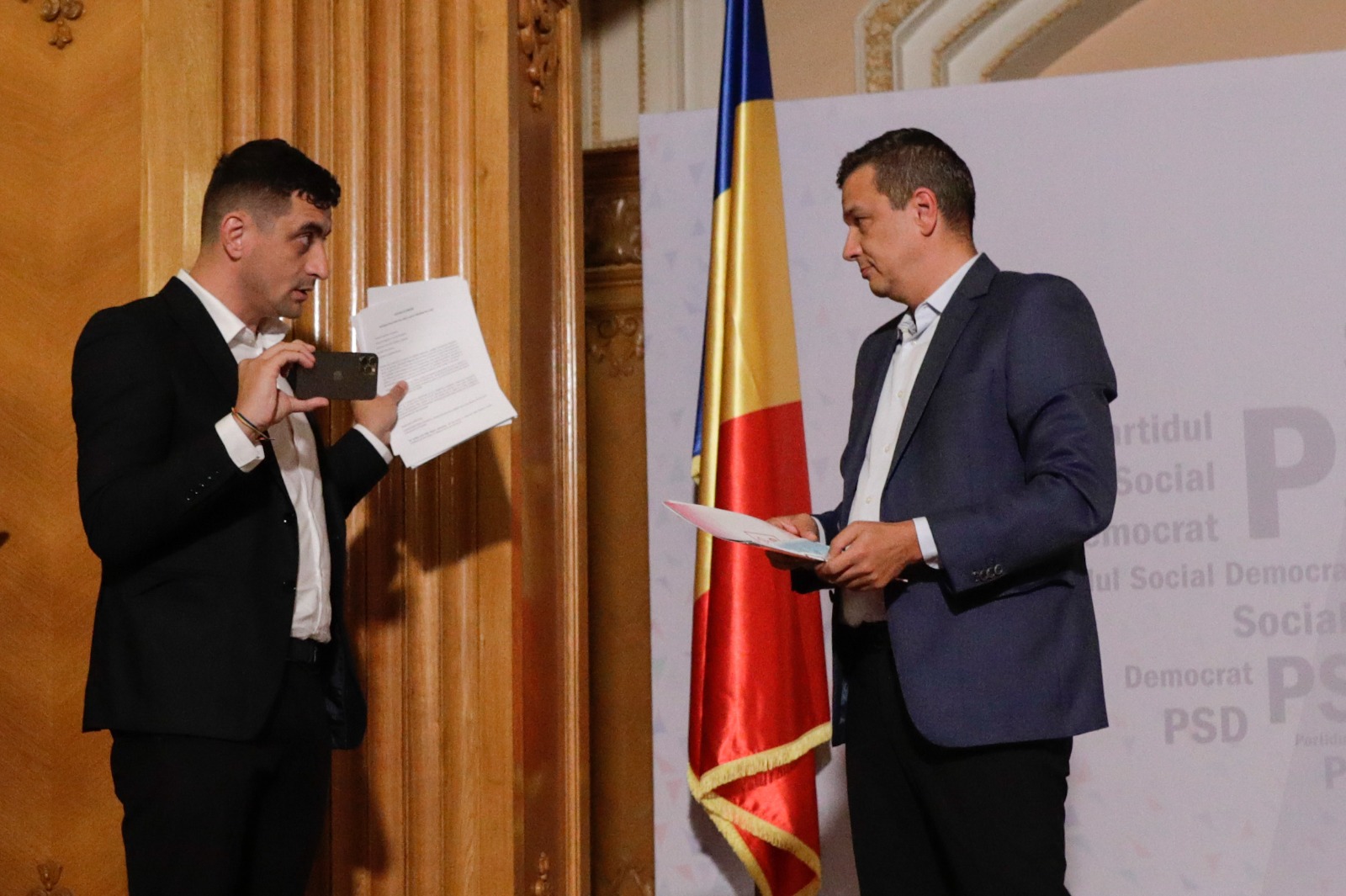
On Monday, the hard-right AUR party led by George Simion and the center-left Social Democratic Party (PSD) announced they would file a motion of no-confidence motion against the government led by Liberal Prime Minister, Ilie Bolojan.
Meanwhile, centrist President Nicușor Dan is holding discussions with the leaders of the former coalition which fell apart last week after the PSD walked out. He said last week he was opposed to a PSD-AUR coalition.
Responding to the developments, the investors’ council said: “Against the backdrop of a fragile international economic climate, accentuated by geopolitical tensions, the council stresses that stability, predictability and a real institutional dialogue are essential to maintain investor confidence in Romania. At the same time, firm measures are needed to stabilize the state budget, reduce bureaucracy and continue reforms.”
FIC is a non-partisan business organization “but our objective is to protect the investment climate. In times of political transition and increased public statements, the business community needs a functional and predictable environment that allows for long-term planning and efficient allocation of capital.”
Romania has repeatedly demonstrated its potential to attract and retain foreign investment when stability, predictability and cooperation are present. Addressing current challenges through responsible governance and open dialogue is essential to protect economic resilience and sustain sustainable development in the coming period.
In order to strengthen Romania’s competitiveness, the FIC says there are three essential pillars:
Institutional predictability: Policy stability is key. Frequent changes in the political landscape often lead to sudden changes in the fiscal and legislative framework. Investors need stable and predictable rules to trust the local market, especially as the perception of risk in the region remains high and funding conditions are already restrictive. According to the latest FIC Business Sentiment Index survey, 53% of companies report a deterioration in legislative predictability, while 68% identify it as a major concern. In addition, 46% of investors perceive Romania as less attractive than regional competitors, highlighting the direct link between predictability and competitiveness. FIC studies also indicate that foreign direct investment flows react to fiscal and political uncertainty; For example, in the first half of 2023, foreign direct investment decreased by 13%.
Fiscal responsibility: Romania needs a credible fiscal consolidation plan. Strict budget management helps to maintain the sovereign rating and keep financing costs at a sustainable level, both for the state and for the private sector. Public debt has exceeded 60% of GDP and government bond yields are among the highest in Europe, amid the combination of international developments and domestic vulnerabilities. That is why it is important for rating agencies to maintain their confidence in Romania. Fiscal consolidation must be accompanied by structural measures, including the continuation of the announced reform on streamlining and reducing public spending.
Strategic window of opportunity: It is essential for the administration to focus on accelerating the absorption of EU funds, including through the implementation of the PNRR and SAFE programs, as well as on advancing the OECD accession process. These directions are apolitical and fundamental landmarks for Romania’s development.
Economic impact of uncertainty
History has shown that periods of increased political volatility can lead to a “wait and see” approach among global investors. In the case of Romania, net foreign direct investment flows, which have averaged around €6–7 billion annually in recent years, could be affected if uncertainty persists. Such delays in decision-making can lead to:
- Reduction of capital flow: Delays in infrastructure, energy and technology projects, including those co-financed by EU instruments.
- Market volatility: pressure on the national currency and rising borrowing costs, especially as government bond yields are already high
- Loss of competitiveness: other markets in the region may attract investments that could have reached Romania, if the country does not offer a clear and predictable economic direction, especially at a time when competition for capital in Central and Eastern Europe is intensifying
The Foreign Investors Council (FIC) groups the most important investors with foreign capital in Romania, approximately 110 of the largest companies, with a cumulative turnover that represents approximately 26% of GDP.
Romania’s hard-right opposition eyes place in government after collapse of centrist coalition
