














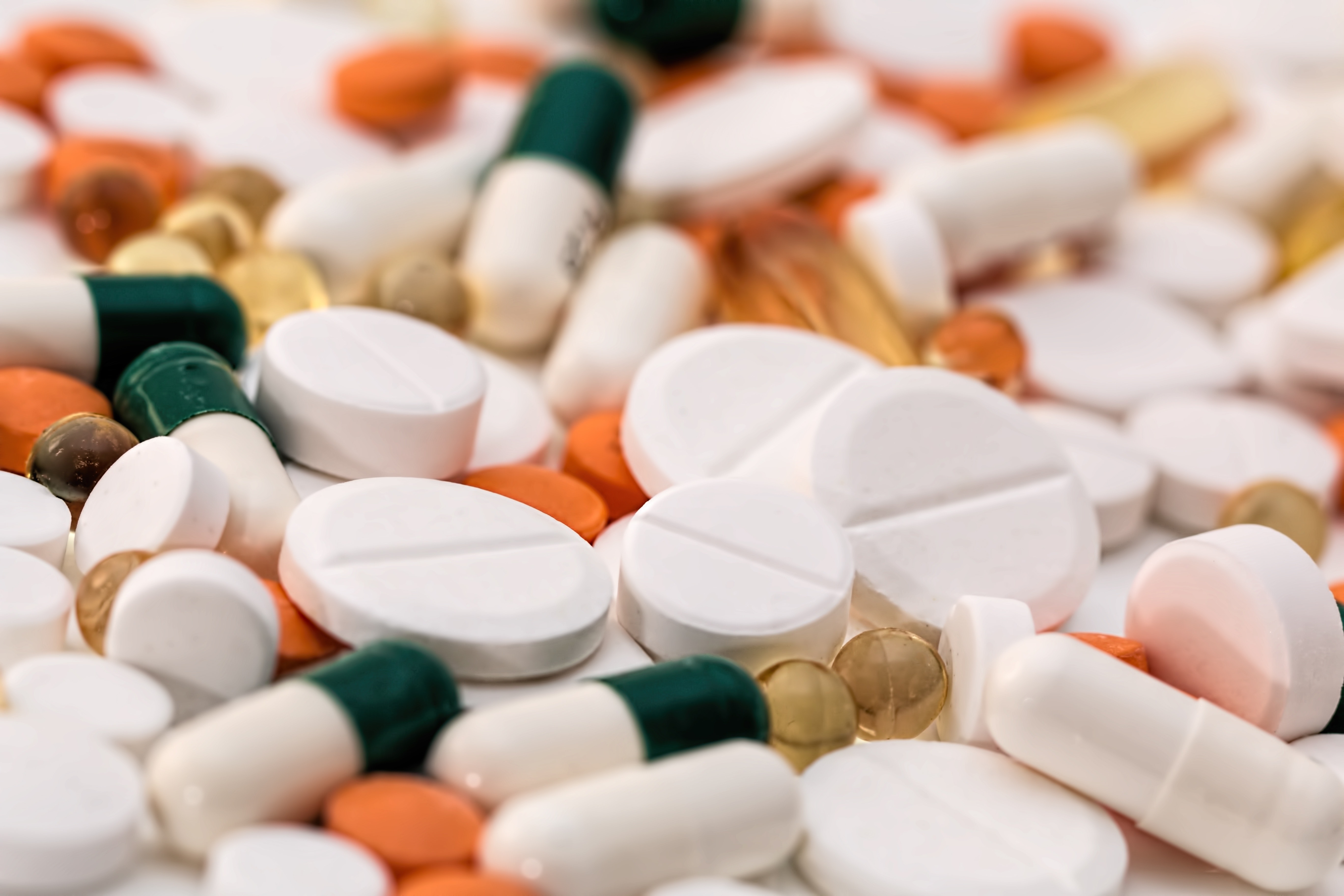
The growing number of superbugs resistant to current drugs represents a significant and unprecedented danger, warns England’s former chief medical officer and currently the UK’s special envoy on antimicrobial resistance, Prof. Dame Sally Davies.
Drug-resistant infections already kill at least 1.2 million people a year.
Antimicrobial resistance or AMR means that some infections caused by bacteria, viruses, fungi and parasites can no longer be treated with available medicines.
Exposure to drugs allows the bugs to evolve towards drug resistance, and overuse of drugs such as antibiotics accelerates that process.
Widespread resistance would make much of modern medicine risky, affecting treatments including caesarean sections, cancer interventions and organ transplantation.
Without the development of new treatments “it’ll grind on for decades and it won’t burn out. We know that with viruses, they burn out, you generally develop herd immunity, but this isn’t like that”.
Last week the UK government announced a national action plan on AMR, with commitments to reduce its use of antimicrobials in both humans and animals, strengthen surveillance of drug resistant infections, and incentivize the pharmaceutical industry to develop new drugs and vaccines.
Launching the plan, Maria Caulfield, the health minister, said: “In a world recovering from the profound impact of the Covid-19 pandemic, international collaboration and preparedness for global health challenges have taken on an unprecedented level of importance.”
One death in five caused by AMR is in a child aged under five, usually in sub-Saharan Africa, where Davies said the problem is “particularly prevalent and disastrous”.
There are global efforts to reduce inappropriate use of drugs such as antibiotics in medicine, although the Covid-19 pandemic stalled progress on many of those initiatives.
Few new antibiotics have been created in recent years.
More than two-thirds of antibiotics go into farm animals, Davies said, usually to promote growth or prevent infections in overcrowded, unsanitary conditions rather than treat specific infections.
Some Asian fish farms were “tipping antibiotics in with the fish food”, partly because it is cheaper, she said, but also because of a lack of research into which infections occur in local breeds of fish such as tilapia, and which vaccines might be needed.
Animals, including humans, excrete up to 80% of the antibiotics they take in, she points out,“contaminating the environment. Factories producing antibiotics may not control their effluent, allowing dramatic amounts to enter water systems.
One major US poultry supplier has stopped using antibiotics.
Genomics and artificial intelligence are “reinvigorating” the science of new antibiotics and facilitating their creation.
Ideally, such medicines should be held in reserve as a last resort if existing drugs fail to work, so bugs do not develop resistance to them. However, this makes it hard for companies to guarantee a return on investment in research and development, says The Guardian.
