














In the 1950s, Romanian communists tried to pull down Constantin Brancusi’s Endless Column and turn it into scrap metal.
First oxen, then tractors were sent to yank down the 30-meter-high column of zinc, brass-clad, cast-iron modules threaded onto a steel spine. They failed but the attempts to raze the iconic sculpture which they considered ‘degenerate’, left it tilted and cracked.
As of Saturday, a trio of outdoor sculptures, including the iconic column, created by the maestro sculptor nearly 90 years ago, have been added to the Unesco world heritage list, joining a collection of the world’s most important 20th-century public art.
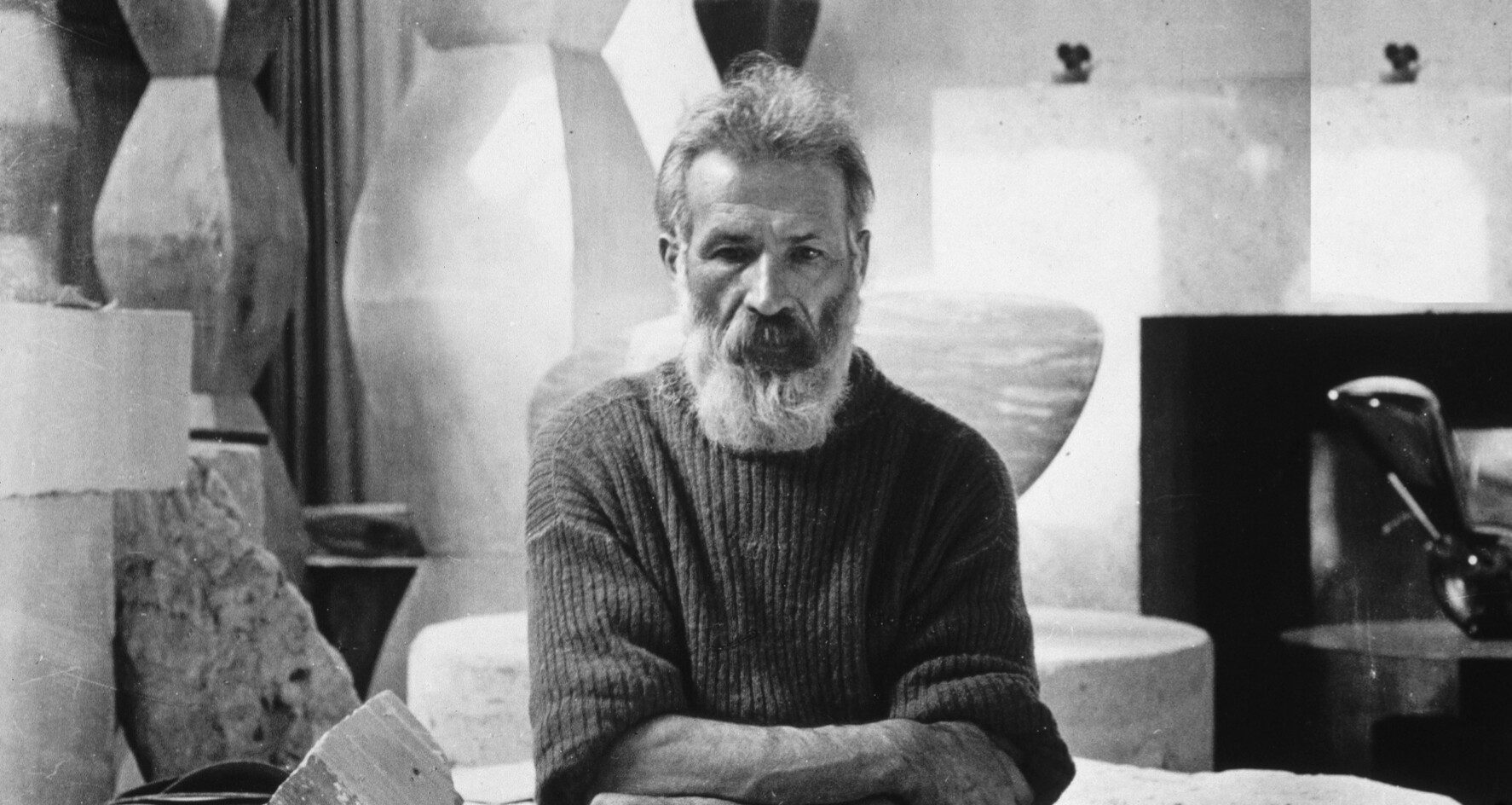
The sculptural installations which lie on a 1.3 km-long axis along Târgu Jiu’s Avenue of Heroes in southern Romania are one of the few Brâncuși works located in his homeland.
Sculptor
The sculptor was born in the small village of Hobița, in the foothills of the Carpathian mountains, but walked on foot to Paris, a journey that took 18 months, where he lived the rest of his life.
He created the open-air collection that includes the Column, the Gate of the Kiss and the Table of Silence in 1937-1938 as a tribute to fallen first world war soldiers.
“The recognition it’s been granted forces us to protect the monumental ensemble, to keep it intact for future generations and for humanity’s cultural memory,”Culture Minister Raluca Turcan, Romania’s said.
Paris
Roman Empire
Successful bid
In 2021 Unesco added the ancient Roman gold mining area of Rosia Montana in western Romania to its list of protected World Heritage Sites.
Arbitration
Even so, the government led by Marcel Ciolacu floated the idea earlier this year that the 2,000 year-old mine be removed from Unesco protection as it faced a multi-billion dollar arbitration case over the failure to build a controversial mine.
Massive win for Romania against Canadian company over disputed Unesco gold mine

Comments are closed.