















The Council of Europe’s anti-racism body, the European Commission against Racism and Intolerance (ECRI), on Thursday published reports on Romania, Slovenia and Spain, assessing the progress they have made in their legal and institutional frameworks as well as in policies and practices to prevent and combat racist and anti-LGBTI hate speech, hate crimes, and discrimination of groups in situation of vulnerability, such as Roma, LGBTI persons, migrants and people with a migration background.
They called on Romania to do better.
In its report on Romania (here in Romanian), ECRI made 15 recommendations. It notably recommended, that the authorities put in place a national system of monitoring racist and anti-LGBTI incidents in schools and that they gather gender disaggregated data on such incidents, including on reasons for bullying behavior.
It also recommends that Romania develops, within the next two years, a legal framework that explicitly regulates the conditions and procedure for legal gender recognition and establishes clear guidelines for the provision of gender-affirming healthcare.
Since ECRI´s last report in 2019, progress has been made in several fields. The functions and powers of the National Council for Combating Discrimination are largely in line with ECRI´s general recommendations for equality bodies, but its financial and human resources remain insufficient.
There has been progress in promoting inclusive education and establishing a procedure for handling cases of school violence, including bullying and cyberbullying. A specific criminal law on measures to prevent and combat racism towards Gypsies was adopted. Authorities have taken a more coordinated approach to countering hate speech and hate crime, including through the adoption of two strategies to prevent and combat antisemitism, xenophobia, radicalisation and hate speech. Efforts to improve the inclusion of Roma have continued, including initiatives to regularize informal settlements and the adoption of new legislation to prohibit school segregation.
However, ECRI expresses concern about several issues. Bullying is reportedly a widespread and serious problem in schools. Aspects related to sexual orientation, gender identity and sex characteristics are not included in school curricula. Reportedly, discrimination against LGTBI people persists. Same-sex couples still do not enjoy any legal recognition. The legal framework does not clearly define the conditions and procedures for legal gender recognition, and there are no specific guidelines for providing gender-affirming healthcare. Other issues of concern are the increasing presence of hate speech in political discourse, in the media and online.
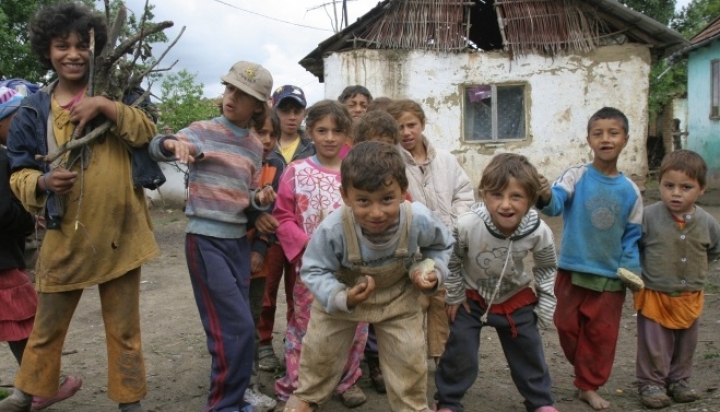
The situation of Roma reportedly remains difficult in all areas of life, with many informal settlements located close to highly polluted areas and numerous Roma pupils attending segregated educational settings.
In its report on Slovenia (here in Slovenian), ECRI observes progress: the national equality and human rights bodies have stepped up their work, and inclusive education has been reinforced. Following a landmark decision by the Constitutional Court, the Law on Amendments to the Family Code took effect in 2023, granting same-sex couples marriage and adoption rights. In 2023, an amendment to the Criminal Code was passed, making hate motive a mandatory aggravating circumstance for any criminal offence. A National Program of Action for Roma 2021-2030 was adopted, Roma assistant posts were created in kindergartens and primary schools, and measures were taken to improve access to the labor market for Roma and the social situation of Roma women.
As for the persons referred to as “erased” (i.e., people from other parts of the former Yugoslavia who were removed from Slovenia’s permanent residence register and consequently lost basic rights), in 2022, the then President apologized to them on behalf of Slovenia.
Nevertheless, issues of concern remain. To address them, ECRI makes 12 recommendations. It recommends that the Slovenian authorities enhance the mandate of the equality body (Advocate for the Principle of Equality), and incorporate LGBTI topics into mandatory teacher training and the national curricula. The procedure for obtaining legal gender recognition for transgender persons should not present abusive conditions, such as mental health diagnoses, and the right of intersex children to bodily integrity should be protected.
As regards action requiring priority implementation, ECRI recommends, firstly, adopting a national strategy and an action plan to counter hate speech, including all forms of racist and LGBTI-phobic hate speech. Secondly, the Slovenian authorities should ensure that Roma communities enjoy effective and non-discriminatory access to decent and safe housing conditions, including clean water, electricity, and sanitation, in all areas where they reside.
In its report on Spain (in Spanish), ECRI makes 15 recommendations. In particular, it recommends as a matter of priority that the authorities introduce an effective system of recording identity checks by law enforcement officials, as part of a policy aimed at detecting and addressing any racial profiling practices affecting, in particular people of African descent, migrants and people with a migration background, as well as Roma. The report also prioritizes the establishment of the Independent Authority for Equal Treatment and Non-Discrimination and ensuring that it is adequately staffed and funded.
Since 2017, Spain has made significant progress in combating racism, intolerance and related discrimination through the enactment of new legislation and the implementation of various initiatives. A Comprehensive Law on Equal Treatment and Non-Discrimination foresees the creation of an independent equality authority. New LGBTI equality legislation has facilitated legal gender recognition and banned conversion practices. Regarding hate speech, high-level political figures have engaged in counter speech and the Protocol to Combat Illegal Hate Speech Online was adopted. The capacity of law enforcement officials has been strengthened with the creation of the National Office for Combating Hate Crimes and a Coordinating Prosecutor for Hate Crimes and against Discrimination, as well as training programs for police officers and prosecutors. There has also been progress regarding the education of Roma children.
Nevertheless, ECRI identifies several issues that need to be addressed. LGBTI persons reportedly continue to be confronted with prejudice and discrimination, and access to gender-affirming health care still poses challenges. Hate speech persists, especially in political speech and online, mainly targeting Roma, migrants, Muslims and people of African descent, and hate speech against Jewish and transgender persons has increased.
ECRI also expresses concern about the underreporting of hate crimes, the integration and inclusion of migrants, including young people who arrived in Spain as unaccompanied children and have reached the age of 18 and often face difficulties in finding employment and accommodation. Roma children still face significant challenges in schools, with a high level of school failure and drop out, and a low level of educational attainment. While ECRI learned about very positive initiatives at local level contributing to more transparency in police activities, mitigating risks of racial profiling, as well as improving relations between the police and groups in situation of vulnerability, it also underlined the importance of further strengthening safeguards against any racial profiling practices.
The reports assess the situation in Romania, Slovenia and Spain until mid-March 2025. ECRI will assess the implementation of the priority recommendations issued to the three countries within the next two years.
In Serbia, at least 89 attacks on journalists since protests began one year ago-RSF
