












This is the third part in a series that Universul.net is running about food waste in Romania and the world and ways to combat it.
In a world where more than 700 million people suffer from hunger and natural resources are becoming increasingly limited, the huge amounts of food that are thrown away every day raise an increasingly pressing question: who actually bears responsibility and what can be done concretely?
According to experts, food waste does not only refer to the waste of food, but also of the resources needed to produce, process and transport it, i.e. water, energy and fuel.
Worldwide, agriculture consumes enormous amounts of water to irrigate vegetable, cereal and fruit crops, but also to raise fish and animals. By wasting uneaten food, we waste about a quarter of our water resources. When we throw away a glass of milk, we waste around 1,000 liters of water, and when we throw away a kilo of beef, we waste about 50,000 liters of water.
Although the problem is a complex one, solutions exist – and they need the involvement of both large retail chains and restaurants, but also every household.
Retailers can rethink inventory policies to reduce waste, donate products close to their expiration date, and educate customers. Restaurants can reduce portions, use ingredients more efficiently, offer customers the opportunity to take away leftover food on their plates, or redirect surplus to charities. In households, change begins with simple steps: planned shopping, proper storage and ingenious use of food scraps.
According to data from the World Vision Romania Foundation, a quarter of children living in rural areas go to bed hungry. “We can’t talk about education and equal opportunities as long as a child thinks more about food than lessons. In rural areas, for many children, the hot meal at school is the only hot meal of the day.”
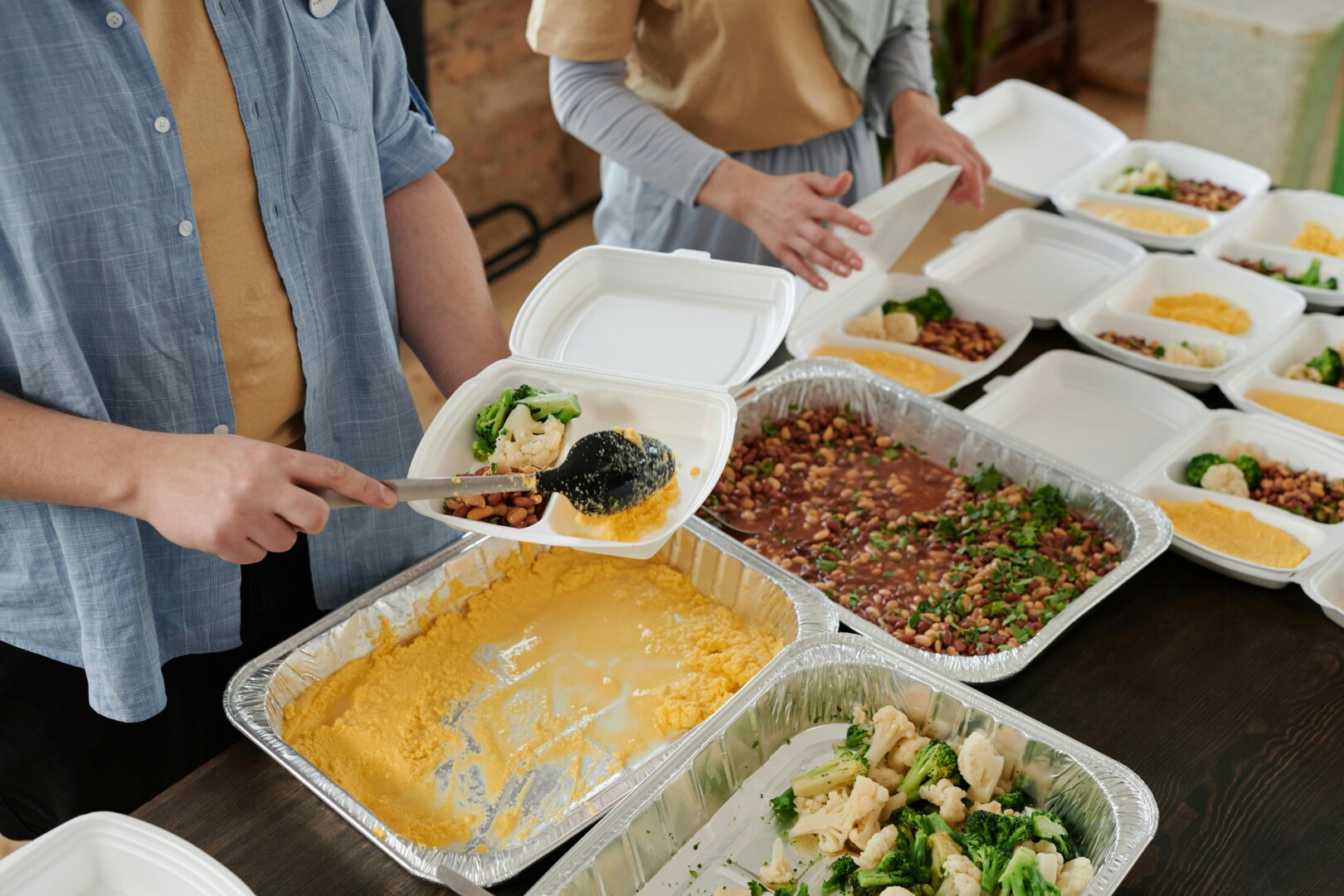
Direct donation to people in need has already proven to be an effective solution in many European countries, but in Romania the approach is timid applied, although the legislation allows it. Other countries have implemented innovative models – apps for food redistribution, partnerships between restaurants and NGOs, educational campaigns at national level – which could also be adapted to us.
In the third part of an interview with Universul.net, Camelia-Adriana Bucatariu explains how key actors – retailers, restaurants, authorities and consumers – can work together to turn this global issue into an opportunity for shared responsibility and sustainability.
- What is the role of retailers, restaurants, households in reducing food waste?
Camelia – Adriana Bucătariu: Retail: dynamic pricing, donations, “close to term” district, clear data. HORECA: flexible, “takeaway” portions, calibrated daily menus.
- How can we reduce waste? (a minimum set of measures)
FAO’s Technical Platform for Measuring and Reducing Food Loss and Waste (TPFLW) promotes a practical and accessible “menu of solutions” for households and consumers, focused on reducing waste by changing daily behaviors. Among the recommendations are: shopping planning (“shop smart”) and avoiding impulse purchases; efficient cooking and full use of ingredients (“cook smarter”); acceptance of imperfect products (“buy ugly fruits and vegetables”); checking and maintaining the refrigerator; applying the first-in, first-out principle to food storage; correct understanding of validity labels (“use by” and “best before”); reducing portions and capitalizing on food scraps through creative recipes; the use of digital apps to share food; donating surplus to charities; and composting of organic waste. This set of solutions, integrated into FAO’s “Do Good: Save Food” strategy, offers a circular approach, with simultaneous benefits for the economy, the environment and public health.
- How much does direct donation help people in need?
It helps socially and reduces waste if done legally and in a timely manner; the network of food banks saved thousands of tons/year in RO.
- What works in other countries and is applicable in Romania?
Household targeting (campaigns/clear labeling), sectoral targets, mandatory reporting, “Too Good To Go”/”surprise bag” programs, HORECA portioning standards, green public procurement.
- How do we educate/support consumers?
FAO’s “Do Good: Save Food!” initiative is designed to educate and engage children and young people in practical actions to reduce food waste, cultivating a culture of responsibility and sustainability from the school stage. The programme offers interactive materials, educational games and activities adapted to different age groups, which help students understand where food comes from, how many resources are used to produce it and what impact waste has on the environment. Through simple actions, meal planning, responsible consumption, reuse of leftovers and composting – children can become agents of change in their families and communities. The initiative thus contributes to achieving Sustainable Development Goal 12.3 and building a more circular and equitable food system.
In the European Union, around 9% of food waste comes from restaurants and public catering services, including school canteens (about 12 kg/person/year), highlighting the essential role of schools in preventing it. The recommendations made by the Joint Research Centre (JRC) underline the importance of classroom educational programmes for primary and secondary school pupils, which can be carried out in the form of short lessons or annual activities, involving teachers, canteen staff and parents. Students can keep food waste journals, learn to plan groceries, and participate in hands-on activities such as cooking competitions or “food literacy” projects. Addressing food waste in schools doesn’t just reduce canteen losses, but contributes to the formation of sustainable and responsible behaviors among the new generations, with direct effects on households and communities.
