













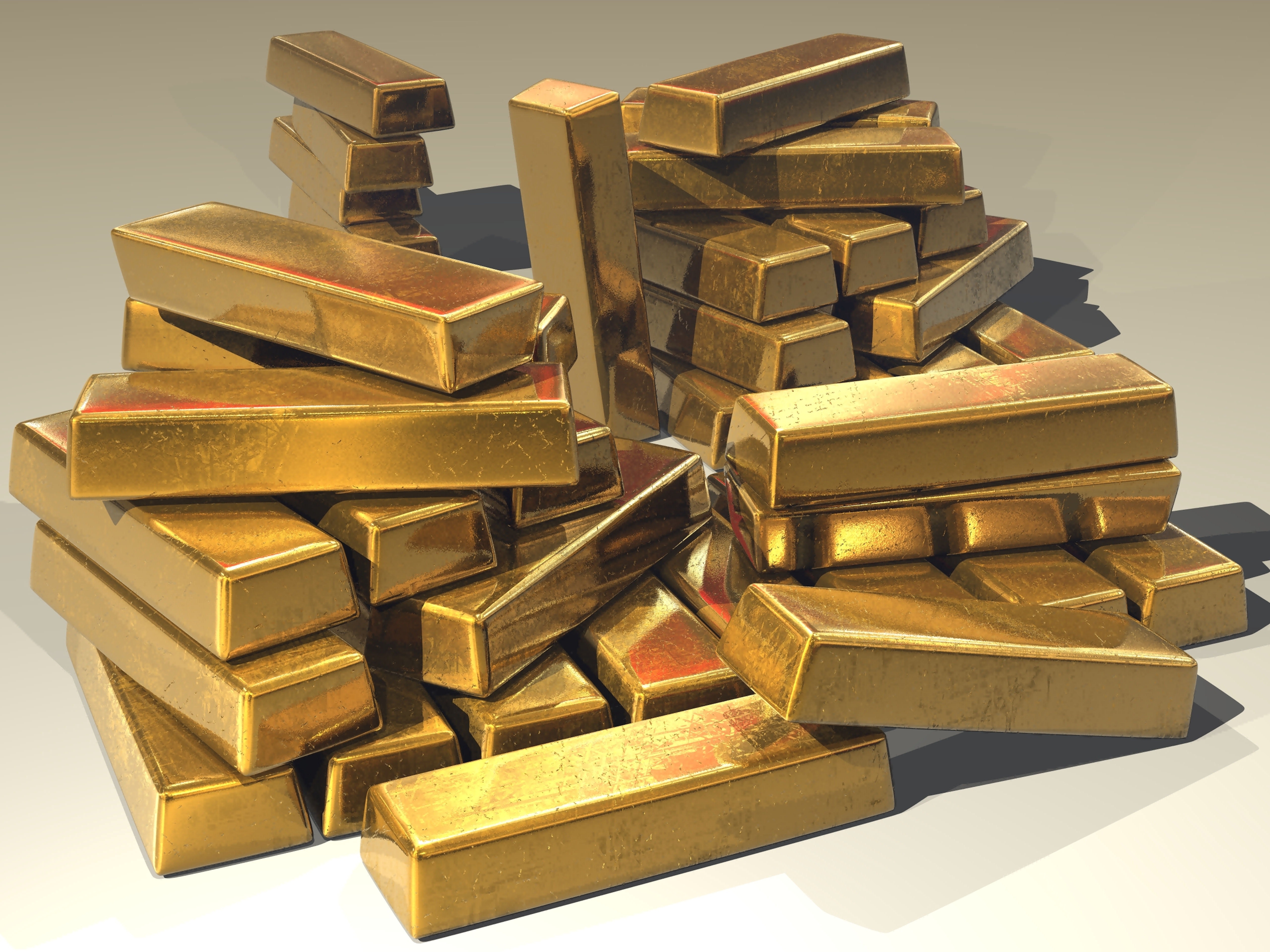
Geopolitical instability, Greenland, tariffs, the Trump effect, uncertainties about US, European, and Japanese debt, and the prospects of AI are making markets nervous and prompting a rise in precious metals, including gold and silver.
In a single session on Tuesday, the S&P 500 index erased all this year’s gains just to slightly rebound in the green yesterday after Trump’s speech and subsequent news concerning the potential Greenland framework deal coming from Davos.
In contrast to the US stock market, gold is up almost 15% from the beginning of the year, creating new all-time highs, but the real winner looks to be silver, which gained over 38% during the same period. These moves are not driven only by global instability but also by some structural changes, eToro analyst for Romania, Bogdan Maioreanu
Gold’s rally is about more than fear: it’s about a shift in the investment regime. Gold’s surge to record highs reflects a world where investors are questioning the reliability of traditional anchors like government bonds and fiat currencies. What makes this move different is who is buying. Central banks continue to add gold to reserves (more buying now coming from Poland and Bolivia), diversifying away from the US dollar, while investors increasingly see gold as portfolio insurance rather than a short-term hedge. Recently, Goldman Sachs raised its end-2026 gold price forecast to $5,400 an ounce, citing stronger-than-expected central bank buying and sustained investor demand. At the same time, falling dollar dynamics and rising stock-bond correlations mean gold is once again doing a job bonds used to do.
Unlike gold, silver does not live solely in the vaults of central banks. It is half safe haven and half indispensable industrial input. It lives in solar panels, electric vehicles, and data centres. This makes it hypersensitive to bottlenecks and ruthless when financial and industrial demand overlap. In recent weeks, the price of the metal has entered into an openly parabolic dynamic. The explanation for the sustained upward move might come from the intersection of three simultaneous crises that are feeding off each other: a physical, a monetary and a logistics crisis. With China restricting exports of strategic minerals since January 1st and demand for green technology eroding stocks (estimated deficit of 215 million ounces), the industry has its back against the wall. It must buy at any price to keep production lines running.
With US public debt exploding to $38 trillion, sticky inflation, geopolitical uncertainties and gold breaking through the barrier of $4,900, capital is desperately seeking protection. In this scenario, silver is no longer just a commodity; it becomes the “leveraged” option on gold, attracting speculative flows that can amplify every movement.
The protectionism of the Trump administration has turned goods and commodities into national security assets. Confirmation came from the Department of Commerce’s Section 232 investigation, which branded imports a risk to national security. This created a historic anomaly: silver stockpiles are accumulated in the US awaiting higher prices, while in the rest of the world’s warehouses are at low levels.
According to the latest eToro Retail Investor Beat survey, 52% of global and 61% of Romanian retail investors expect gold prices to continue to grow this year. In this context, investors may be considering gold’s renewed role as a long-term diversifier in portfolios, built for a less stable global backdrop. As for silver, investors are trying to understand a system desperately seeking a new equilibrium between physical constraints and monetary devaluation.
But beyond opportunities and threats, in 2026, silver is no longer just a commodity. It looks to be the most accurate barometer of global systemic risks, as geopolitics are complicated in today’s world.
_
