











Russia’s rising inflation and plunging currency have spotlighted an emerging discord between the Kremlin and the country’s central bank, reports CNBC.
The Central Bank issued an emergency meeting on Tuesday, inflating interest rates by 350 basis points to 12%, in a bid to halt a rapid depreciation of the ruble currency in light of Russia’s invasion of Ukraine and consequential Western sanctions on the Russian economy.
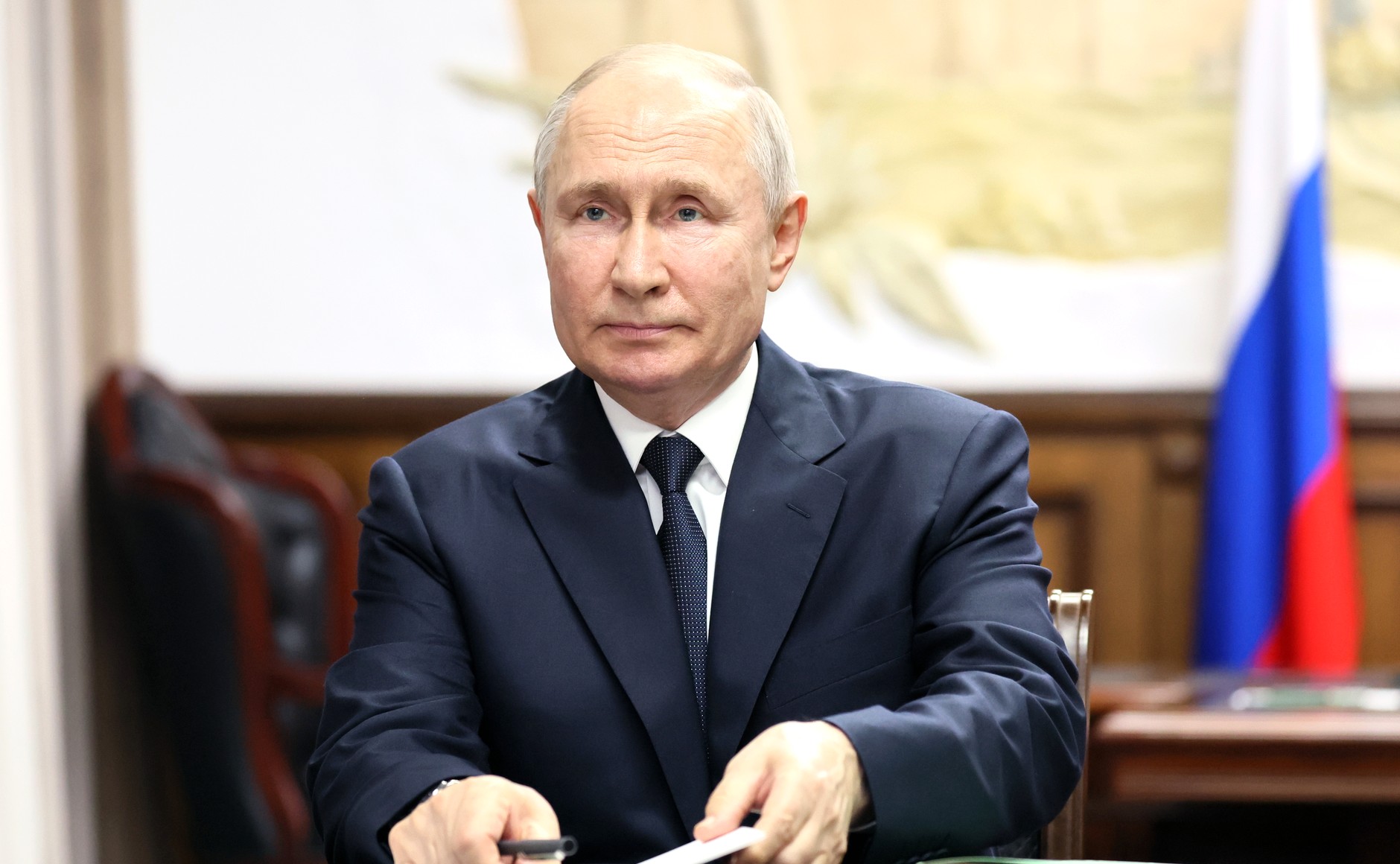
President Vladimir Putin’s economic advisor, Maxim Oreshkin, penned an op-ed arguing that a recent acceleration of inflation and the sinking currency were the result of “loose monetary policy” and that the central bank “has all the necessary tools to normalize the situation”.
As a result, the Bank said its emergency rate hike on Tuesday was aimed at “limiting price stability risks” as “inflationary pressure is building up”, with current price growth over the last three months averaging an annualized 7.6% on a seasonally adjusted basis and core inflation over the same period rising to 7.1%.
“Steady growth in domestic demand surpassing the capacity to expand output amplifies the underlying inflationary pressure and has impact on the ruble’s exchange rate dynamics through elevated demand for imports”, the CB’s board said.
Last week, the CB had halted foreign currency purchases on the domestic market until 2024 to reduce volatility, but this failed to halt the ruble’s decline.
Russia often sells foreign currency to offset falls in oil and gas export revenues, and buys if it is running a surplus.
Prior to the Kremlin’s intervention, the Bank of Russia blamed the country’s shrinking balance of trade for the inflation and currency frailties, as Russia’s current account surplus fell more than 85% year on year from January to July.
Having coordinated measures to reconfigure the Russian economy and minimize the impact of Moscow’s increasing economic isolation and punitive sanctions from Western powers, the Kremlin and the Bank of Russia now seemingly find themselves at odds over the causes of the currency troubles.
Analysts suggested the government’s direct strong-arming of the central bank into monetary policy action was a sign of the problems faced by the country’s economy.
Agathe Demarais, global forecasting director at the Economist Intelligence Unit, told CNBC that the central bank was right in its earlier assessment that the collapse in Russia’s current account surplus was the key factor behind high inflation.
“This is due to Western sanctions, which are both curbing Russia’s hydrocarbon export revenues and fuelling import costs”, she told CNBC via email.
“A weakening rouble will reinforce this trend by further inflating import costs. In other words, the Russian currency has entered a vicious circle that it will struggle to escape from.”
The central bank has since loosened these capital controls in order to prop up the economy as sanctions began to bite, which Demarais said alongside a period of low interest rates was further entrenching the “vicious circle” for the rouble.
“The combination of these factors shows that the room for manoeuvre of the Russian government is shrinking: the Russian leadership must now make a choice between battling inflation or propping up growth — both key drivers of social stability,” she said.
“Higher interest rates will not be sufficient to stabilise the rouble, let alone help it appreciate against other major currencies. This is because the negative factors behind the weakening currency are largely outside the control of the Central Bank of Russia.”
Several news outlets on Wednesday reported that Russian authorities are considering the imminent reintroduction of capital controls. This would take the form of compulsory sales of foreign currency revenues for exporters, as the central bank’s rate hike seemed only to slow down the currency’s deterioration.
The value of exports has slumped since G7 countries imposed a $60 price cap on Russian crude oil in December, while imports have spiked as the government seeks to acquire the goods to prolong and advance its war effort.
Though the current account surplus plunged more than 85% year on year from its peak in June 2022, it remains at a tolerable level and within its historical average, Kennedy noted, while a cheap currency raises the ruble value of Russia’s oil revenues, but also its import costs.
Russian Deputy Prime Minister Andrey Belousov said in June that a rouble value of 80-90 to the dollar was ideal for the country’s budget, importers and exporters.
Julius Baer therefore expects the doubling down on capital controls and introduction of the rule on exporters, but it believes the ruble will still be around 92 to the dollar in three months and 95 in 12 months.
spooky-yet-spectacular-pig-kidney-functions-inside-brain-dead-patient
