









Russia’s clandestine rigging of EU elections was more subversive than any kind of overt foreign aid to pro-Russian populists, according to a senior NATO official in an interview with EU Observer.
Describing Russia’s modus operandi in the Romanian presidential elections in November, NATO’s deputy secretary general in charge of hybrid warfare, James Appathurei, said: “What we have seen in Romania are social media accounts left in a long hibernation, created there years ago, activated, unattributed, but used to influence the outcome.”
Appathurei also noticed “money paid to micro-influencers, you know, people who have 2,000 followers, 100 followers, 5,000 followers, but [you pay] 10,000 of this kind”, so that when they review the make-up and what else they are doing there, they also add a sentence that is favorable to [the pro-Russian candidate].
“So this is deception. This is a broad campaign prepared in advance to clandestinely affect an election,” he told EUobserver on Tuesday in an interview from the NATO headquarters in Brussels.
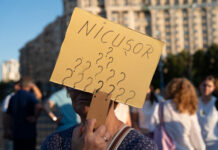
The elections in Romania have been canceled and will be repeated on May 4, but the Russian-backed candidate, Calin Georgescu, is still leading in the polls.
Germany will also have a general election on February 23, in which the Russophile AfD party is rated in second place by the polls, amid tensions aggravated not only by Russian interference in EU politics, but also by Russia’s military threat.
Meanwhile, the American tech oligarch Elon Musk, a close associate of President Donald Trump, openly supported Georgescu.
For example, Musk posted to his 220 million subscribers on X the message that the judge who annulled the elections in Romania is a “dictator”.
Musk has been even more supportive of Germany’s Russophile AfD party, prompting Chancellor Olaf Scholz to take a stand and the EU to investigate Musk’s far-right algorithms [sic!], even at the risk of ruining his relations with Trump.
“What is new is that he [Musk] is intervening in favor of right-wing politicians from all over Europe. And this is really disgusting and not good for the democratic development of the entire EU,” Scholz said on January 28 at a press conference in Berlin.
But despite this alarmist atmosphere in some EU capitals, Appathurei says: “This [Russian interference in elections] it’s a very different thing” from the kind of involvement seen in Musk.
“So I don’t think we should pick apples and pears,” Appathurei said.
“Anyone is free to believe what they want about Elon Musk. I think something. You believe something. That’s not the problem. I believe that this [Russia’s operation in Romania] is a very different thing and one that could happen to any of our countries and that is why we are all examining very carefully the lessons that emerge from it,” he said.
On the other hand, Russia poses an even greater danger through “harmful espionage operations” in Europe, such as sabotage, in addition to interference in elections, Appathurei said.
Disinformation as a weapon of war. Russia’s amplified its propaganda war against Ukraine in 2024
