









Tariffs are meant to protect industries, not coerce geopolitics, and they are paid by the domestic consumer. But incredibly, Trump has some high ground here.
Trump’s announcement of sweeping new tariffs on India, totaling 50%, should dispel illusions that the US–India relationship is a warm alliance of like-minded democracies. In Trump’s world no such thing really exists, but this one, sadly, actually never was. India, dispiritingly, just goes its own way.
In justifying this latest tax on the American consumer, Trump cited India’s ongoing imports of discounted Russian oil, accusing New Delhi of helping fund Moscow’s war machine and selling refined Russian crude (bought on the cheap) on the open market (for a hefty profit). For sure, India has been behaving very badly on this score. It is almost as if they don’t care about Ukraine, or the feelings of the West. It’s as if they’re happy to buy cheap oil from the devil, exploiting the fact that his other markets, which have a modicum of scruples, have dried up. Very cool behavior it most certainly is not.
India responded sharply, hinting at retaliation. Yet Trump pressed on: the first 25% tariff takes effect this week, with another 25% kicking in later this month. This is one of the harshest tariff regimes the US has ever imposed on a major trading partner and it’s aimed at a country Washington claims to view as a key ally. What’s going on (other than the fact that Trump misunderstands tariffs)?
Well, on paper, India looks like the perfect partner. It’s the world’s most populous democracy, largely English-speaking, and deeply embedded in the U.S. economy. Bilateral trade in good and services hit $212 billion in 2024, with the U.S. trade deficit at about $46 billion. India serves as a key manufacturing hub for pharmaceuticals, apparel, and tech. The U.S. sees India as a counterweight to China in the Indo-Pacific. So what went wrong?
Well, India doesn’t see the relationship through sentimental eyes. Since the Cold War, New Delhi has pursued a doctrine of non-alignment, which has evolved into strategic autonomy. It joins U.S.-led forums like the Quad — in which alongside Japan and Australia they aim to promote a free and open Indo-Pacific without demanding formal allegiance. But it is also a member of the BRICS group of developing nations and the Shanghai Cooperation Organization. It buys weapons from the U.S. and France, but also Russia, maintaining friendly ties with Iran and boycotting no one.
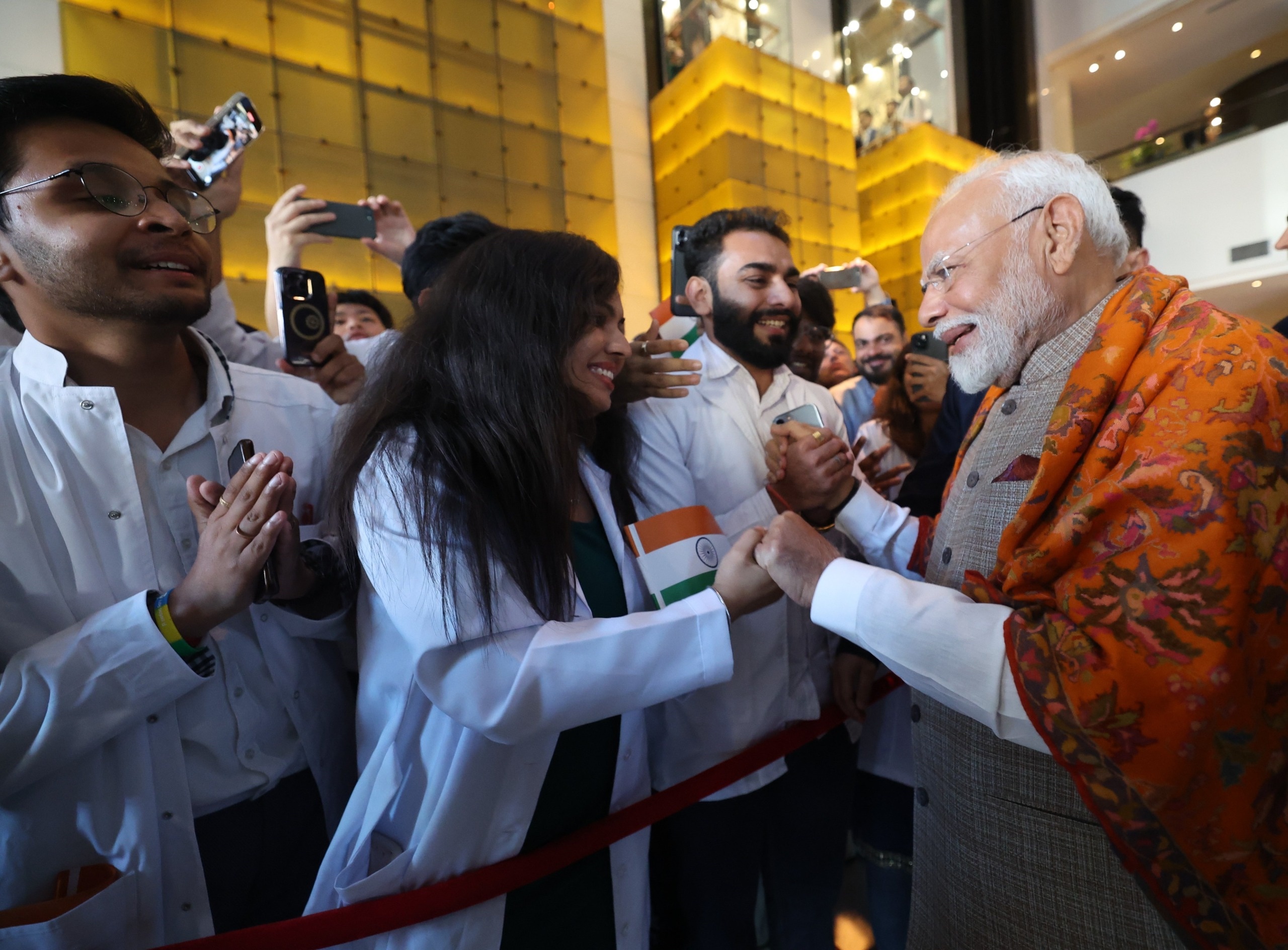
That instinct is rooted in deep historical memory. Colonized by Britain and sidelined by U.S. Cold War support for Pakistan, India emerged with a fierce desire to avoid foreign dependency. Especially under the nationalist Prime Minister Narendra Modi, it sees itself not as a junior partner in a Western-led order but as a civilizational power asserting its own sovereignty.
This helps explain India’s refusal to isolate Russia over the Ukraine war. Russia is a long-time defense partner and energy supplier. India now imports more than a third of its oil from Russia, totaling over $50 billion annually – which is a huge spike since 2021, meaning India has taken advantage of Russia’s discounts, and which makes it the largest importer of Russian crude ahead of China and Iran. Some of that oil is refined and re-exported to Western markets through a sanctions loophole. It’s a lucrative arrangement India has no intention of abandoning – and it keeps Vladimir Putin in business.
That’s the connection driving events these past few weeks: As Trump has lost faith in Putin’s willingness to engage on ending the Ukraine war, so has his impatience with Modi gone through the roof.
But Trump’s response – tariffs as geopolitical punishment – is unusual. Tariffs are typically used to protect domestic industry. Using them to enforce foreign policy aims introduces a different logic. Is it madness? Not entirely. Tariffs are one of the few levers a president can pull unilaterally. But the India case exposes the risks of this approach.
India is unlikely to cave. With 1.4 billion people (the most in the world), a $4.2 trillion economy (tied with Japan for fourth in the world) and decent economic growth, it doesn’t take kindly to coercion.

Worse, this tactic invites charges of hypocrisy. Other countries still trade with Russia in fertilizer, chemicals, and refined products. India is being singled out.
There’s also blowback. Tariffs generally raise prices for U.S. consumers, particularly in sectors like generic drugs and clothing. They also threaten to undermine supply chain shifts away from China. Companies like Apple have moved production to India — only to find their new base hit with punitive tariffs. Meanwhile, India may retaliate against U.S. exports in energy and aerospace.
U.S. policymakers of the pre-Trump era spoke of a shared democratic identity and mutual values. But the real relationship is transactional. The U.S. wants India’s help in containing China and securing global supply chains. India wants American technology, markets, and investment. That’s why cooperative efforts like the iCET tech partnership and semiconductor joint ventures may succeed where talk of “friendship” falls flat.
The signs of this can be subtle. For example, Trump has been bragging in recent weeks about having averted war between India and Pakistan earlier this year. Putting aside the likely exaggeration, it did not escape notice in New Delhi that he was placing India – an imperfect but pluralistic democracy – on equal footing with its less-than-democratic rival. For a country deeply conscious of its global standing, this surely reinforced the perception that the Trump administration views India not as a partner of principle, but as just another actor to be cajoled, pressured, or threatened as the situation demands.
So it is no surprise that trade negotiations have repeatedly stalled over tariffs and market access. India maintains high barriers on agricultural imports and resists regulatory alignment. The U.S. complains of protectionism; India sees imperialism. Neither is entirely wrong. India’s foreign policy is rational, pragmatic, occasionally aggressive and ruthlessly self-interested. Trump’s tariffs may sting, but they won’t alter that fact.
The discomfort lies in letting go of the fantasy that India is a democratic soulmate. If both sides accept that the relationship is not built on shared values but overlapping interests, then real partnership is still possible. For the likes of Trump and Modi, that’s about the best that you can hope for.
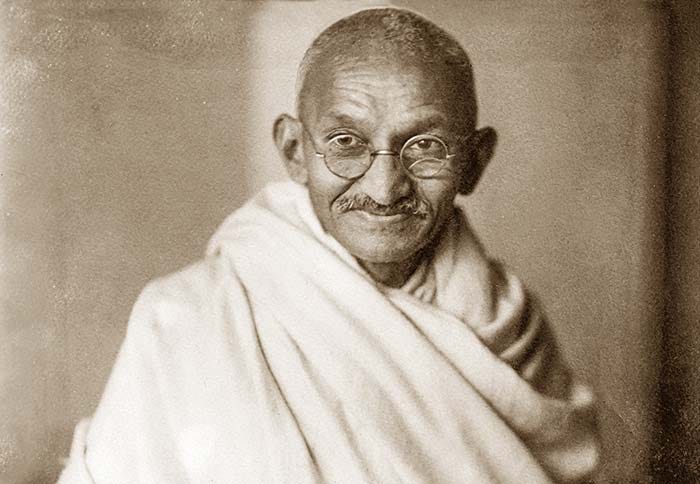
But here’s the odd think: I think Trump’s tariffs are based on a giant con of the US public, which officials hiding the fact that they amount to an added cost on the domestic consumer. But at the same time, it is also true that this suppresses exports from the targeted country. It’s terrible economics for everyone, but on the other hand it might be seen as a coercive tool. Should India be coerced to stop buying Russian oil? I don’t think the tariffs will suffice — but yes, I favor coercion. Modi is behaving disgracefully. Mahatma Gandhi is rolling in his grave.