













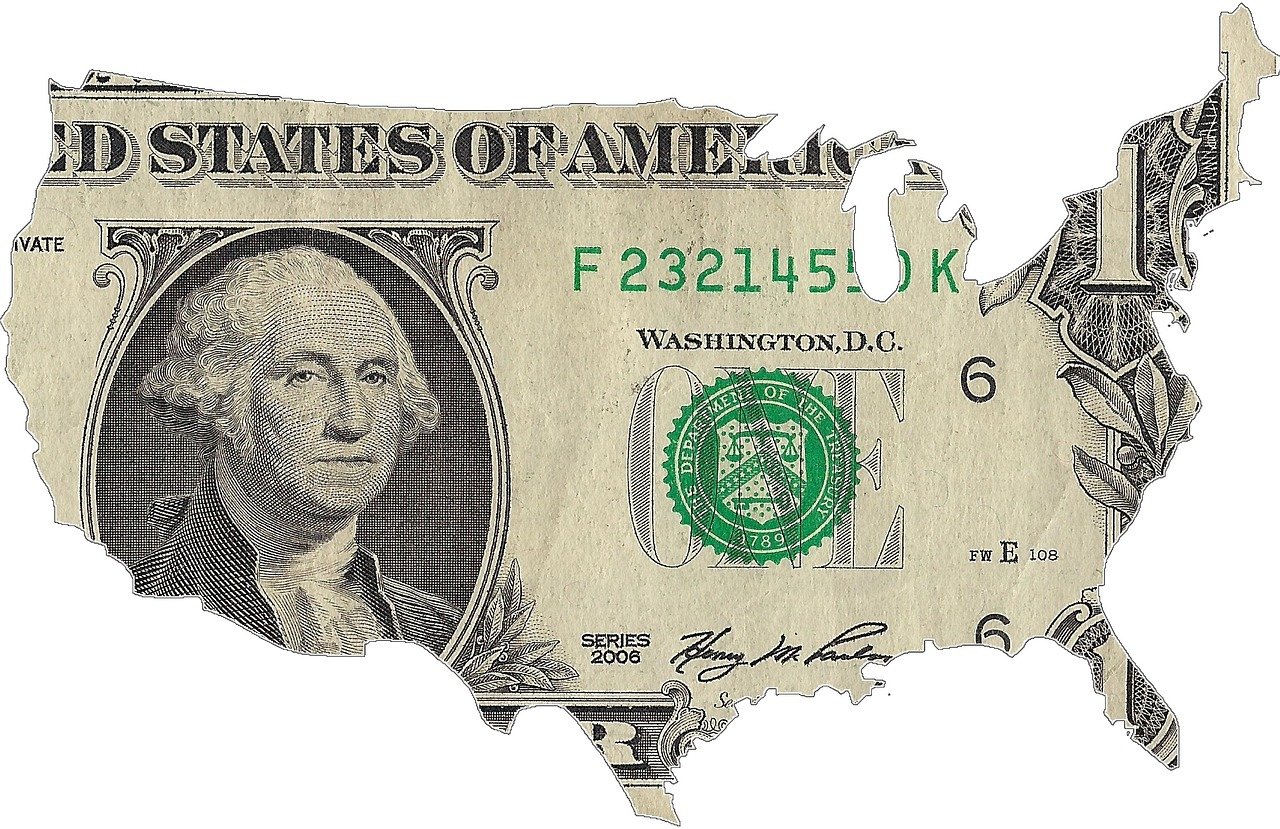
By bullying Jerome Powell with subpeonas and threats and insults, Trump is gambling with the world’s reserve currency. Stable genius
American presidents once understood instinctively that you do not casually undermine your own currency — and therefore you must respect your central bank. Donald Trump does not. In a series of strident broadsides against Federal Reserve Chair Jerome Powell, whom he has called a “total fool” and “a stupid person” who is “political and trying to sabotage growth,” Trump is pushing for lower interest rates. He’s also chipping away at global confidence in the dollar.
Trump has now intensified the campaign, with the Justice Department issuing grand jury subpoenas Friday and threatening a criminal indictment supposedly over Powell’s congressional testimony about the Federal Reserve’s headquarters renovation project. This is a modernization of the Fed’s aging Washington HQ, aimed at bringing buildings that are nearly a century old up to modern standards for safety, energy efficiency, and security. Trump, a real estate man of sorts, has been critical of the costs, which have risen sharply due to inflation, supply-chain disruptions, and upgraded security and infrastructure requirements.
“This new threat is not about my testimony last June or about the renovation of the Federal Reserve buildings,” Powell said. “The threat of criminal charges is a consequence of the Federal Reserve setting interest rates based on our best assessment of what will serve the public, rather than following the preferences of the President. This is about whether the Fed will be able to continue to set interest rates based on evidence and economic conditions — or whether instead monetary policy will be directed by political pressure or intimidation.”
Great! Just what the economy needs.
The dollar’s power rests on trust — trust that American institutions are independent, that contracts will be honored, and that monetary policy will be run by technocrats rather than politicians who care only about the next election. When a president seeks to intimidate the central bank into easier money and personally vilifies its chair for resisting him, it signals that American monetary policy is corrupted. That is not how reserve currencies are supposed to behave.
For decades, the dollar’s role as the world’s dominant reserve currency looked unassailable. In 1999, dollars made up about 72 percent of global foreign-exchange reserves. Today the share is roughly 58 percent and falling. Central banks are gradually diversifying into euros, yen, Swiss francs, gold, and even the Chinese renminbi. They are hedging, the way prudent actors behave when faith starts to erode. A currency is safe only if it is perceived to be safe.
Since Trump assumed office, the US dollar has declined sharply against the euro and most major currencies, with the trade-weighted Dollar Index (DXY) down roughly 10 percent, one of its weakest annual performances in years, as markets price in growing fiscal and political uncertainty in the United States relative to policy stability elsewhere.

Yes, a weaker dollar may stimulate exports, which is Trump’s obsession. But there are tradeoffs. It raises the cost of imports, erodes consumers’ purchasing power, and makes everything from energy to food to industrial inputs more expensive. It also undermines the dollar’s status as the world’s reserve currency, increases the cost of financing US debt, and signals instability to global investors. What looks like a short-term competitive boost for exporters becomes, at the macro level, a tax on Americans and a risk to financial credibility.
Already Central banks are buying more gold and fewer US Treasuries. Major energy exporters have begun settling some trades in non-dollar currencies. Alternative payments systems are being created to route around American financial dominance. And so on.
And there are other bad signs. The United States is running ballooning fiscal deficits, made much worse by the misbegotten “Big Beautiful Bill” budget passed in the fall. The Congressional Budget Office estimated it would increase federal debt by about $2.4 trillion over the next decade, primarily due to large tax cuts that reduce revenue more than spending cuts offset them. The current-account deficit remains large, meaning America consumes and imports more than it produces and exports and must attract constant foreign capital to balance the books — the opposite of the above-described trends. For years, America’s privilege as issuer of the world’s reserve currency papered over all of this. Trump’s huffing and puffing is not helping.
Presidents have grumbled about interest rates before. None have done what Trump is doing now: systematically undermining the independence of the central bank while making it personal. If investors — and especially other central banks — conclude that the Federal Reserve will be bent to his will, they will react. Why hold reserves in a currency whose value and interest-rate path are determined not by analysis but by politicals and presidential bullying?
Americans assume the world will always need the dollar, always buy US debt, always accept American leadership. This is what Trump is destroying.
