











The United States and Denmark are holding regular negotiations over a major expansion of the American military presence in Greenland, as Washington pushes to strengthen its position in the Arctic amid growing concerns about Russian and Chinese activity in the region.
Official talks have reportedly advanced in recent months and involve plans for up to three new US military bases in southern Greenland.
The White House confirmed that high-level negotiations with Denmark and Greenland are underway, though officials declined to discuss the details publicly. A senior administration official told the BBC that the Trump administration believes the talks are “moving in the right direction.”
Denmark’s foreign ministry also acknowledged the negotiations: “There is an ongoing diplomatic track with the United States. The Ministry of Foreign Affairs will not go into further detail at this time,” a spokesperson said.
The negotiations come after a diplomatic crisis earlier this year sparked by Donald Trump, who said in January that the United States should “own” Greenland in order to prevent Russia or China from gaining influence over the island.
Trump said such an outcome could happen “the easy way” or “the hard way,” alarming both Copenhagen and other NATO allies.
Despite those remarks, officials told the BBC that the current talks have remained focused on military cooperation rather than any attempt by Washington to seize control of the territory. Sources involved in the negotiations said US officials have not raised annexation or military takeover scenarios during formal discussions.
According to officials familiar with the talks, the proposed new facilities would primarily support surveillance and monitoring operations in the North Atlantic, particularly in the strategically important GIUK Gap — the maritime corridor between Greenland, Iceland and the United Kingdom long viewed by NATO planners as critical for tracking Russian naval movements.
One likely location for a future base is Narsarsuaq in southern Greenland, the site of a former American military installation that already includes an airport. Analysts cited by the BBC said the Pentagon is expected to prioritize locations with existing infrastructure, such as airfields and ports, to reduce construction costs and speed up deployment timelines.
The United States currently operates one military installation in Greenland: Pituffik Space Base, formerly known as Thule Air Base, located in the northwest of the island. During the Cold War, Washington maintained roughly 17 military facilities across Greenland.
Reportedly, proposed southern bases would complement Pituffik’s missile warning mission by improving maritime surveillance capabilities in Arctic and North Atlantic waters increasingly viewed as contested by Russia and China.
The negotiations are reportedly being led on the American side by Michael Needham, a senior State Department official tasked with crafting an agreement acceptable to both the White House and Denmark. According to sources familiar with the process, negotiating teams from the United States, Denmark and Greenland have met at least five times since mid-January.
One source said US officials have floated the idea of designating future bases as sovereign American territory, though no agreement has been reached and the final number of bases could still change.
The United States has maintained a military presence in Greenland since World War II, when Nazi Germany occupied Denmark. The legal basis for American operations on the island remains a 1951 defense agreement between Washington and Copenhagen, which allows the US broad authority to expand military activities with Danish approval.
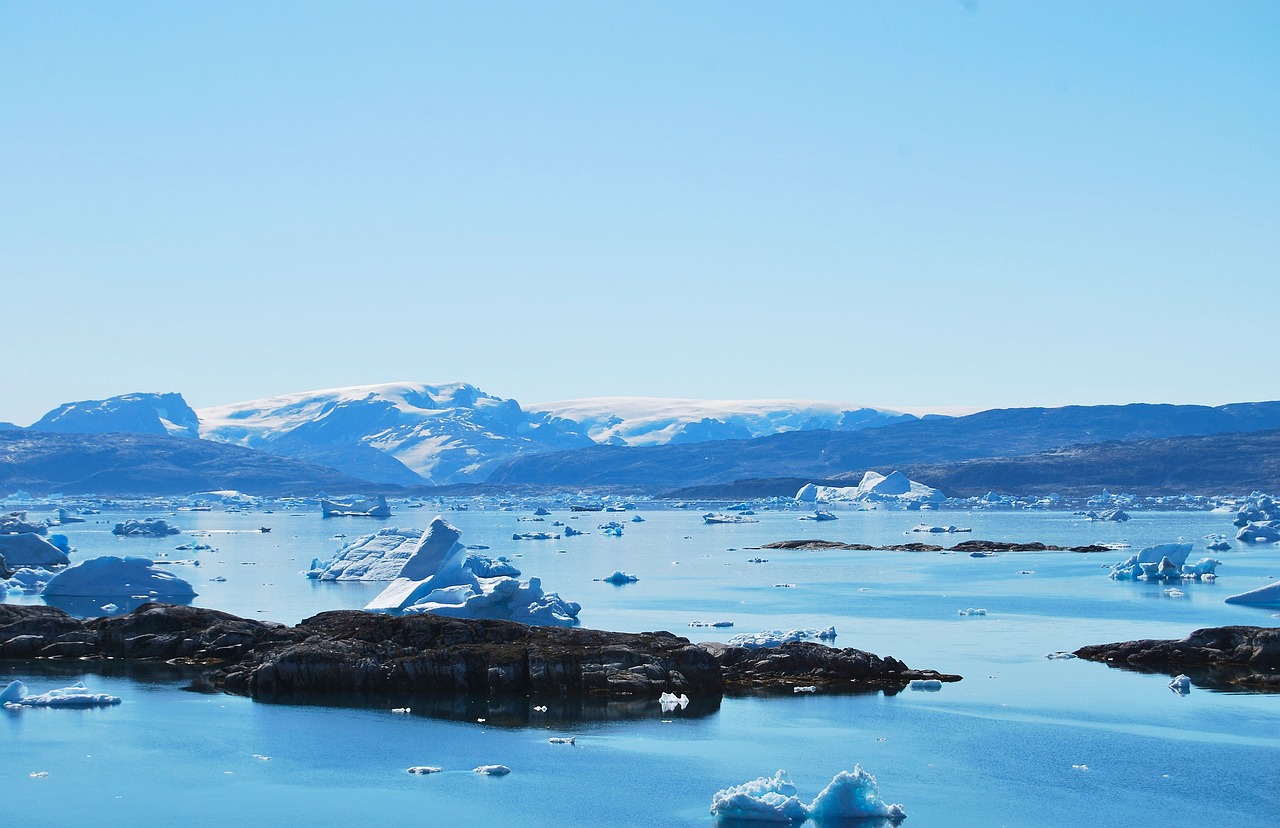
Greenland has become increasingly important to major powers due to its location, emerging Arctic shipping routes and untapped reserves of minerals, oil and gas. Melting Arctic ice has increased strategic competition in the region, while Washington views several Greenlandic mineral deposits as critical for national security supply chains.
Although Greenland governs most of its own domestic affairs, defense and foreign policy remain under Danish control. Most political parties on the island support eventual independence from Denmark.
Romania expresses solidarity with Greenland, but US remains its security anchor
