












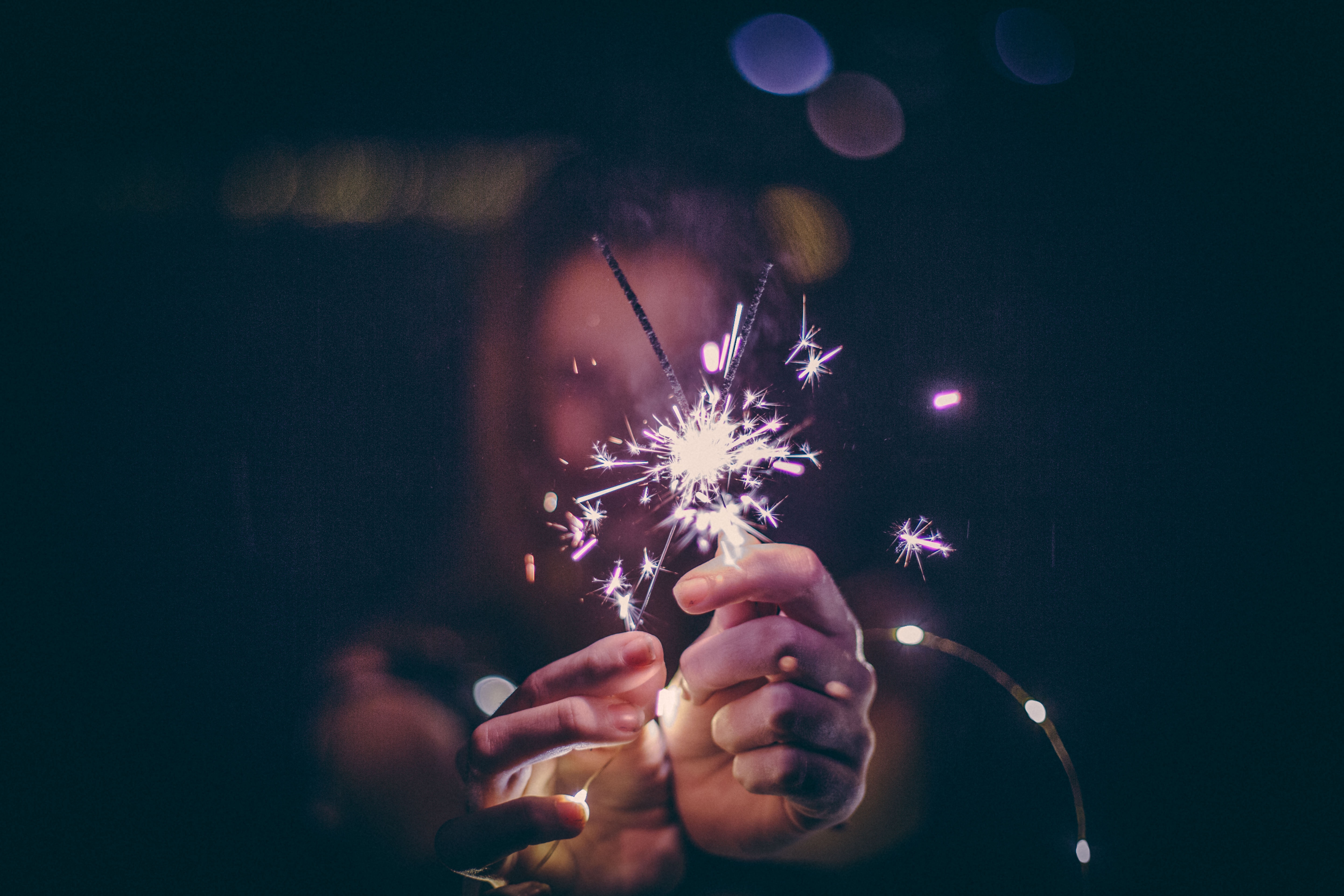
As is the case every year, a series of people were injured on New Year’s Eve. But for the first time, Belgium is seriously considering banning fireworks sales — and it’s influencing the rest of Europe too.
To call it a “series” is to put it lightly: in Brussels alone there were over 1700 on New Year’s Eve.
This is a surge.
Four of five Flemish males would like to see a national ban, reports their Association of Cities and Municipalities. Local bans are already in place.
This association is very active and has already started campaigning by collaborating with similar organisations in our countries.
Those in favor of a transeuropean ban point out that it’s easy in Europe to simply buy and transport fireworks from other countries.
They have declared pyrotechnics rules from 2007 to be outdated and incomplete (for instance, the EU’s code of regulations for use allows children as young as 12 to use sparklers, and those who have turned 16 can buy and use more dangerous products).
Animal casualties were rife across species: dogs are the obvious victims, but cows and horses were senselessly killed too.
While the nostalgics among us might find it hard to let go of happy memories involving fireworks, this is not a joke: in Germany, five people were killed on NYE.
In the incident, which took place in Berlin, emergency workers were attacked by rioters, with over 400 people ultimately arrested. Euro news reports that medical personnel were unwittingly lured into these traps.
The problem was not that of simple sparklers – but of “kugelbomben”, or bullet bombs, which are professional fireworks used for massive displays, came into the hands of amateurs. These exploded prematurely.
They’re actually illegal in Germany and are easily brought into Poland — hence, again, the push for the transeuropean ban.
Little children were hospitalized with serious injuries.
