











In spite of hemming and hawing on every side, the USA and Ukraine have “made significant progress” towards an agreement in which the US would offer Ukraine protection in exchange for access to its precious rare earth minerals.
In short, Donald Trump made this bold suggestion of exchange after he stepped back into the Oval Office. Zelensky has stated that he refused to sign a deal that didn’t include security guarantees. After another meeting, however, this time with Keith Kellogg (a retired general who is Trump’s envoy to Ukraine and Russia), Zelensky announced that a draft agreement is underway.
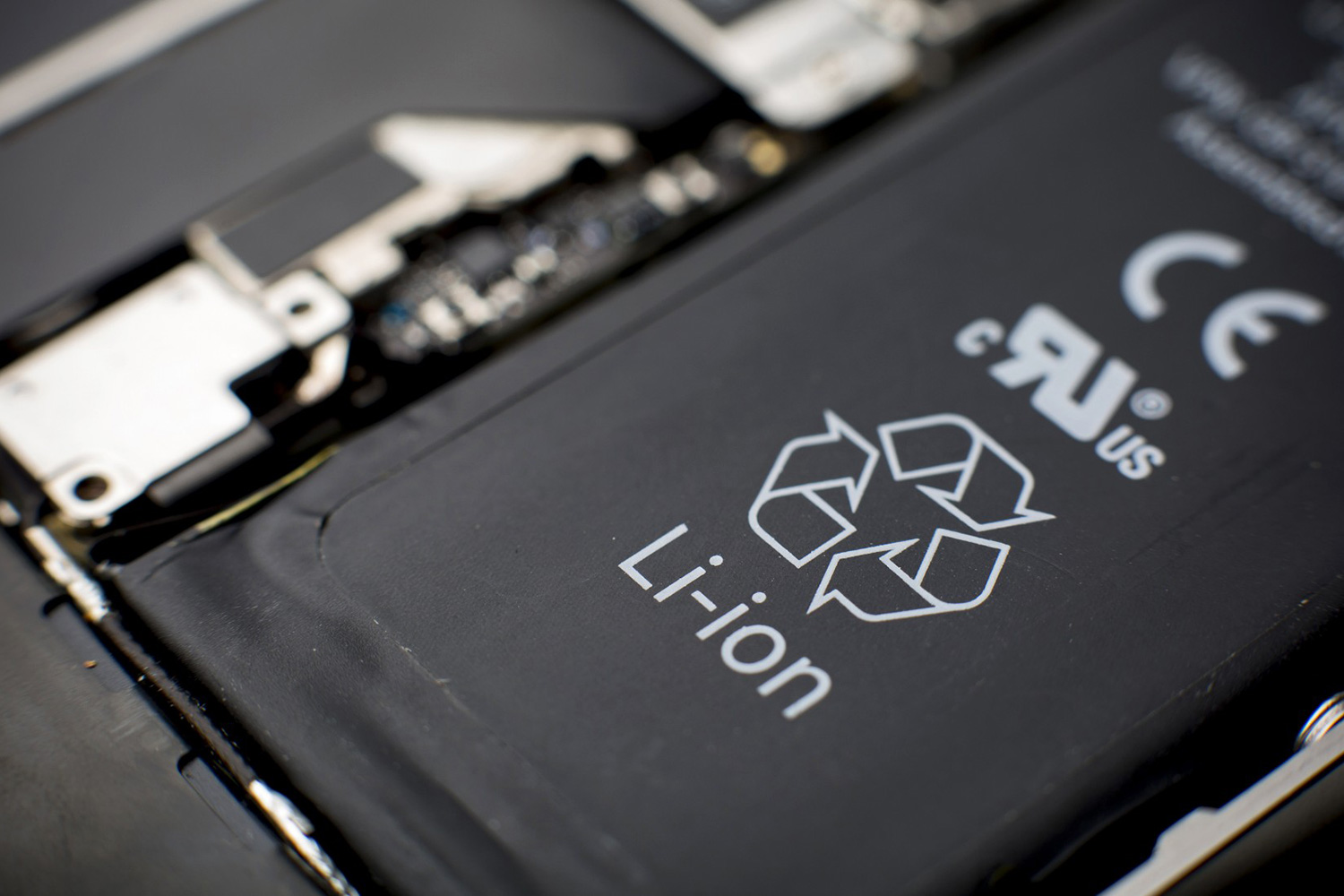
Rare earth elements, also known as lanthanides, are a set of 17 elements used to produce consumer technology like cellphones, hard drives and electric and hybrid vehicles.
They are scandium, yttrium, lanthanum, cerium, praseodymium, neodymium, promethium, samarium, europium, gadolinium, terbium, dysprosium, holmium, erbium, thulium, ytterbium and lutetium.
The White House would see these as compensation.
“He doesn’t have to make a deal”, Trump said plainly of Putin. “Because if he wanted, he would get the whole country”.
In 2022, Ukraine was the world’s largest producer of iron. But is also boasts resources like manganese, uranium, titanium, graphite.
“Ukraine has several deposits containing rare earth elements” but none of these deposits have been mined, said Elena Safirova, a Ukraine specialist at the US Geological Survey. It looks like the exact amount is either not made public or is still being debated. Because it’s unclear, Trump has expanded the net of his demands for compensation, which could include infrastructure and energy assets — like gas transportation systems or nuclear power plants.
In 2023, the French Geological Survey said Ukraine has “significant REE resources” but that further exploration and development would require heavy investment.
The Ukrainian government said “rare earth metals are known to exist in six deposits”. It said investment of $300 million would be needed to develop the Novopoltavske deposit, “which is one of the largest in the world”.
Six years ago, the USA decided not to import tariffs on rare earth materials from China, which is the world’s largest producer and refiner of rare earth metals. (Other countries rich in rare earth reserves are Vietnam,Brazil, India, and Russia itself.)
“These materials are critical to U.S. industry and defence, and with nowhere else to turn for supplies in the near-term, the tariffs would invoke more suffering on U.S. end-users than China,” said geologist Ryan Castilloux on the subject, back in 2018.
Extraction of rare elements seems to be ecologically damaging.
The US wants 50% of Ukrainian minerals, which equals to around $500 billion.
The move would involve an industrial reconstruction of Ukraine.
