











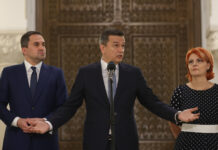



The Romanian government made a series of declarations on Sunday, after both taxpayers and some local authorities expressed their dissatisfaction with the increase in local taxes imposed by Prime Minister Ilie Bolojan from January 1.
The PM responded that the increase in taxes on buildings, land and vehicles will bring additional revenues to local budgets estimated at 3.7 billion lei in 2026.
The government says that the reform was inevitable for several reasons: Romania had one of the lowest shares of property tax revenues in the European Union, at 0.55% of GDP, compared to an EU average of 1.85%. In addition, over a third of taxes were not collected, and the calculation values no longer reflected economic reality, and needed to be updated given the inflation rate, claims the PM. The old taxes also led to “an increase in the amounts transferred from the national budget to local authorities”, informs Bolojan, and that carrying on like this would have endangered access to European funds.
This is actually the result of an older commitment, made years ago by a different government, now coming into force with great delay, claims Bolojan — a claim met largely with irony.
Long story short: building and land tax are now updated by approximately 70%.
The Government specifies that this stage is a transitional one, and that, from January 1, 2027, taxation will be based on the market value of properties, including for individuals.
At the same time, the reductions applied so far depending on the age of the building or its type have been eliminated, which explains why, in some cases, the tax can increase above the average of 70% — which might well rise.
Reductions for olds building have been totally eliminated, and they are now subject to standard value.
Furthermore, local authorities retain the power to set tax rates, but not lower than those in 2025, and local councils can increase local taxes and fees even by up to 100%, compared to the previous limit of 50%.
There has been no visible campaign against corruption or tax evasion in this discussion.
