














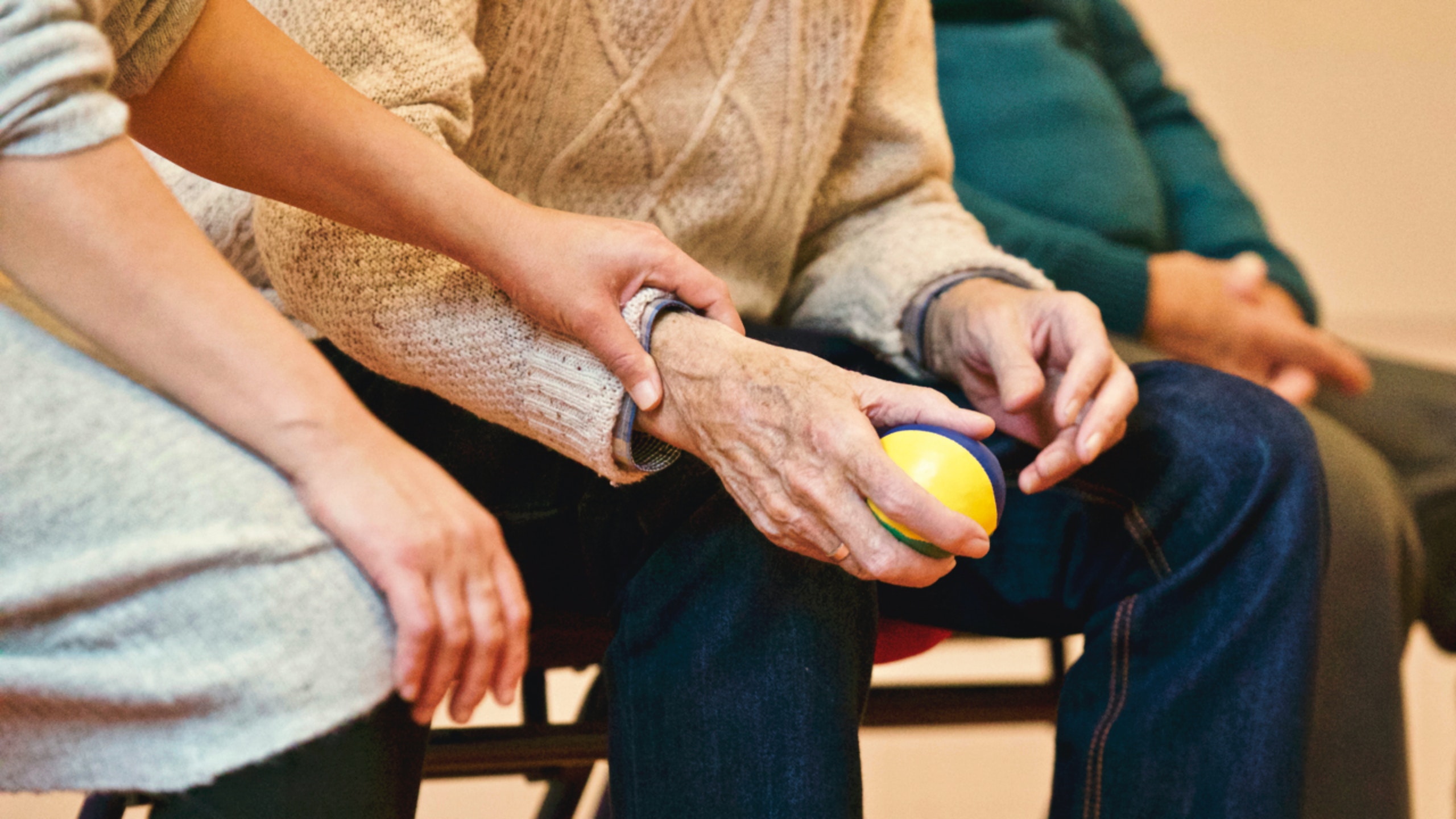
In the past month, Romania reeled after investigations made public revealed extreme abuse in elder care homes.
Six months ago, investigative journalists from the Romanian online portal Centrul de Investigatii Media and Buletin de Bucuresti uncovered a business model they say has allowed the people in charge to enrich themselves at the expense of elderly and vulnerable people, reports DW.
The official allegations against these homes paint a picture of appalling abuse: A systematic lack of care that has caused deaths, exploitation of care home residents who were forced to work, mistreatment, violence, a permanent shortage of essential medication and an inadequate supply of food that has seen some residents die of starvation. Horrifyingly, neighbors repeatedly informed state-run institutions about the situation, reporting that residents often stood naked and filthy at the fences of the care homes in the depths of winter begging for food or money. One neighbor said people who had been kept in the basement of one care home had dug a tunnel in an attempt to escape the hellish conditions.
Now, a BBC Africa Eye investigation has revealed that vulnerable residents at a care home for the elderly near Nairobi, PCEA Thogoto Care Home, have been mistreated and neglected. Secret filming shows staff members physically mistreating residents, dumping food directly onto tables without any plates, and leaving medical conditions untreated.
“Hit her on the buttocks. Beat her”, a member of staff urges a stick-wielding colleague, at the Presbyterian Church of East Africa (PCEA) Thogoto Care Home for the Aged, about 20km (12 miles) west of Nairobi.
“Now we have to cane you”, says one of the staff. A staff member can then be seen hitting the elderly woman’s bottom with a wooden stick, the BBC reports.
One of the undercover reporters filmed an elderly woman using her hands to eat food left directly on the table without a plate because she was unable to feed herself with a spoon.
A former care worker said they witnessed similar scenes, describing how staff told her not to assist residents with their meals.
One undercover journalist, who applied for a job within the care home and filmed uncover for two weeks, said that she would cry in the bathroom after seeing the conditions in which these people were effectively held captive.
One patient remarked that “they were waiting to die” – a somewhat natural if sobering attitude for an elderly person, who inevitably sees quality of life diminish, but one which becomes all the more heartbreaking in the abnormal and dehumanising conditions that many “care” homes hide behind closed doors.
Over the last decade, the number of homes for the elderly is reported to have almost tripled in Nairobi. Many don’t charge rent and are supported by local churches or rely on donations. Similarly, in Romania, many people opt for private care homes, as far as their finances can support this (something harder and harder to do, in light of increased taxation and inflation in Romania), given the widespread reputation of state care homes as hotspots of mistreatment. However, Ovidiu Vanghele (one of Romania’s most important investigative journalists) points out that centralization processes are in place and well-organised, precisely to avoid this kind of unfortunate situation.
An undercover reporter secretly filmed a conversation with a staff member about staff not feeding vulnerable residents. “Do you think she will be the first to die of hunger here?” the member of staff tells her.
Most of the food at the home is donated, and on three occasions the undercover reporters saw food being loaded into a senior staff member’s car. An undercover reporter was also asked if she wanted to take residents’ food from the facility, but declined. In a way, an implicit justification was made by Thogoto’s manager, Jane Gaturu, who said that “the home is a non-profit organisation run on a voluntary basis which depended entirely on donations from well-wishers”, though she did state that anyone who removes food from the premises will be dismissed. Joseph Motari, the Kenyan government member responsible for elderly care, has promised “spot-checks on various private homes”.
In the next 30 years the elderly population in Africa is projected to triple from 75 million to 235 million, according to the United States Census Bureau report from 2020. Its growth will be faster than in any other region of the world, making the prospect of sending elderly relatives to a care home a reality for an increasing number of families. Significant global population aging, which is set to create a disproportion in the years to come, will likely lead to a infrastructural crackdown as regards pensions and the panoply of caring facilities for the demands that this will put on the backbone of society – we face a recalibration, which will necessitate that we be smart – and humane about it.
