














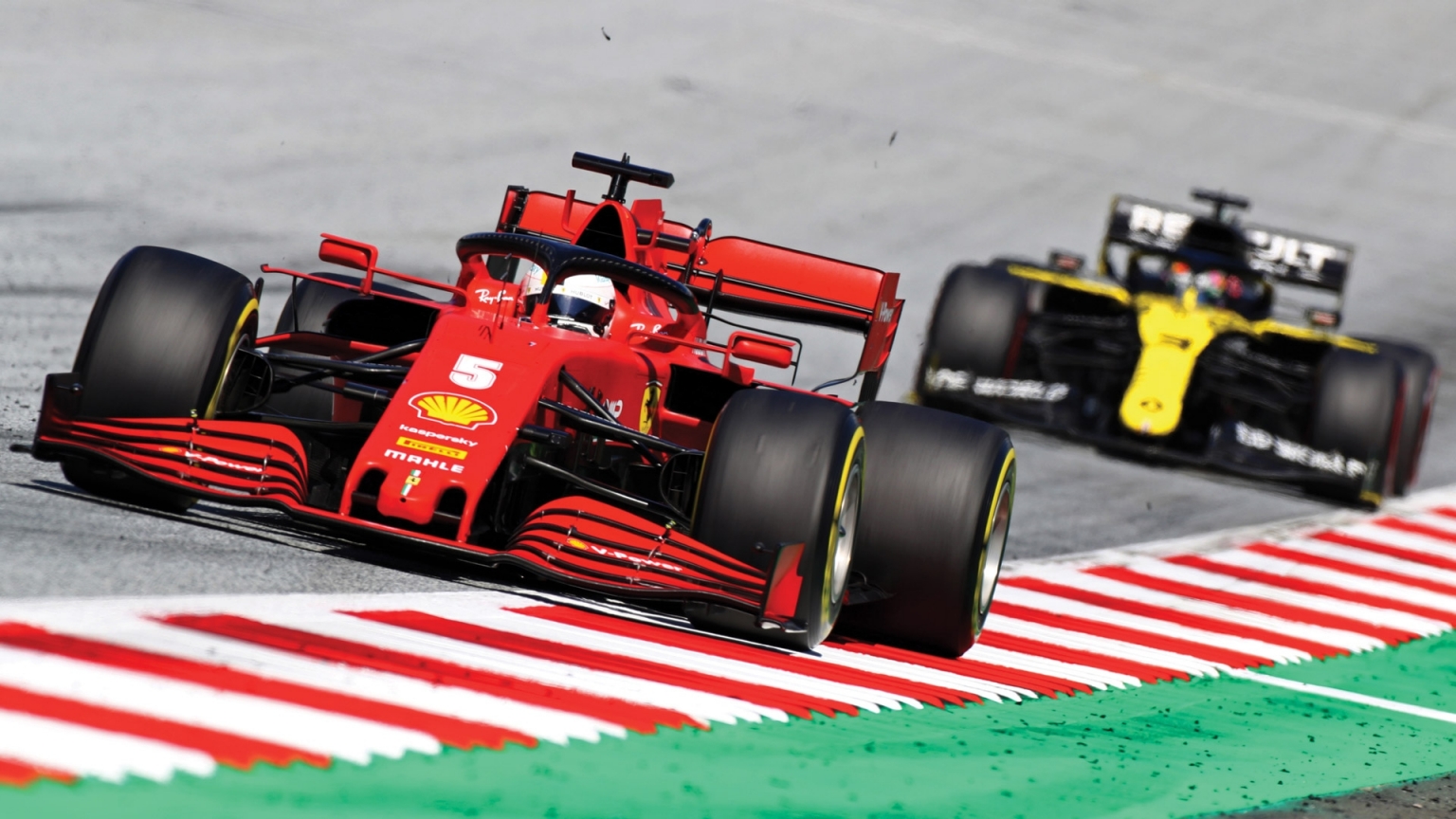
The Formula One 2025 championship concluded on Sunday, with Lando Norris from McLaren crowned world champion after an epic battle with Max Verstappen from Red Bull, marking the end of an era. The radical technical regulations for 2026 represent far more than a sporting evolution: a pivot toward a balanced hybrid powertrain that mirrors a fundamental transformation unfolding across global automotive markets, where hybrid electric vehicles are experiencing explosive growth while manufacturers recalibrate electrification strategies.
The centerpiece of the F1 2026 regulations mandates an unprecedented power split: 50 %from the internal combustion engine and 50 % from electrical energy, writes eToro analyst for Romania, Bogdan Maioreanu.
This represents a dramatic shift from the current generation, where combustion engines produce approximately 550 kilowatts while electric motors contribute just 120 kilowatts, an 80-20 ratio heavily favoring traditional propulsion. The new configuration reduces combustion power to 400 kilowatts while tripling electric output to 350 kilowatts, with energy recovery during braking doubling. In addition, the rules mandate 100% sustainable fuels, rework DRS (Drag Reduction System) into active aero/power‑boost systems and require a 30 kg weight loss on the cars.
While fans and pilots expressed concerns about how these drastic changes will impact the racing show we will see on the circuits next year, these new rules, in fact, are reflecting the new reality in the automotive industry. Electrification is here and hybrid technology adoption is growing.
The latest ACEA (European Automobile Manufacturers’ Association) data shows that in the first 10 months of this year, the hybrid-electric vehicles (HEV) lead as the most popular power type choice among buyers in the EU, with plug-in hybrids (PHEV) continuing to gain momentum. Out of all new card registrations, 34.6% were HEV and 9.1% were PHEVs, while 16.4% were Battery Electric Vehicles. In total, these amount to 60% of the market. In Romania, HEV (which includes PHEVs are 49.1% of the market, while the solely battery-powered vehicles (BEV) are 5.3%.
Goldman Sachs Research raised its forecast for the hybrid electric vehicle market share to twelve percent globally by 2030, up from nine percent in previous projections, while simultaneously lowering battery electric vehicle expectations to twenty-five percent from twenty-eight percent.
Hybrid electric vehicles (HEVs) are likely to help fill the gap as battery EV sales slow. The researchers see a structural shift in the US market toward hybrids and among Japanese and Korean manufacturers, noting that hybrid strength persists even amid low gasoline prices, driven by consumer demand for both fuel efficiency and power performance.
F1 2026 comes with changes in the teams, too. Next year, we will see 11 teams competing with 22 cars on the circuits. Cadillac Racing is the new team, and Audi is taking over Sauber. Also, Ford will collaborate with the Red Bull Team to manufacture their engines.
But if we look at the stock market gains this year, at the top of the performance rankings are the same US car manufacturers that are ready to compete in the 2026 F1 championship: General Motors (the owner of Cadillac) stock price is up 51% from the beginning of the year, and Ford, up 35%. Among the German manufacturers, VW Group (owner of Audi) is up 34% and Mercedes-Benz, 28%.
The 2026 regulations position Formula One at the intersection of performance and sustainability, validating the automotive industry’s embrace of hybrid technology as the pragmatic bridge toward full electrification. As car manufacturers expand hybrid production, Formula One is joining the trend, and the message is unmistakable: the future of mobility is hybrid, and both the racetrack and the showroom are accelerating in the same direction.
_
