













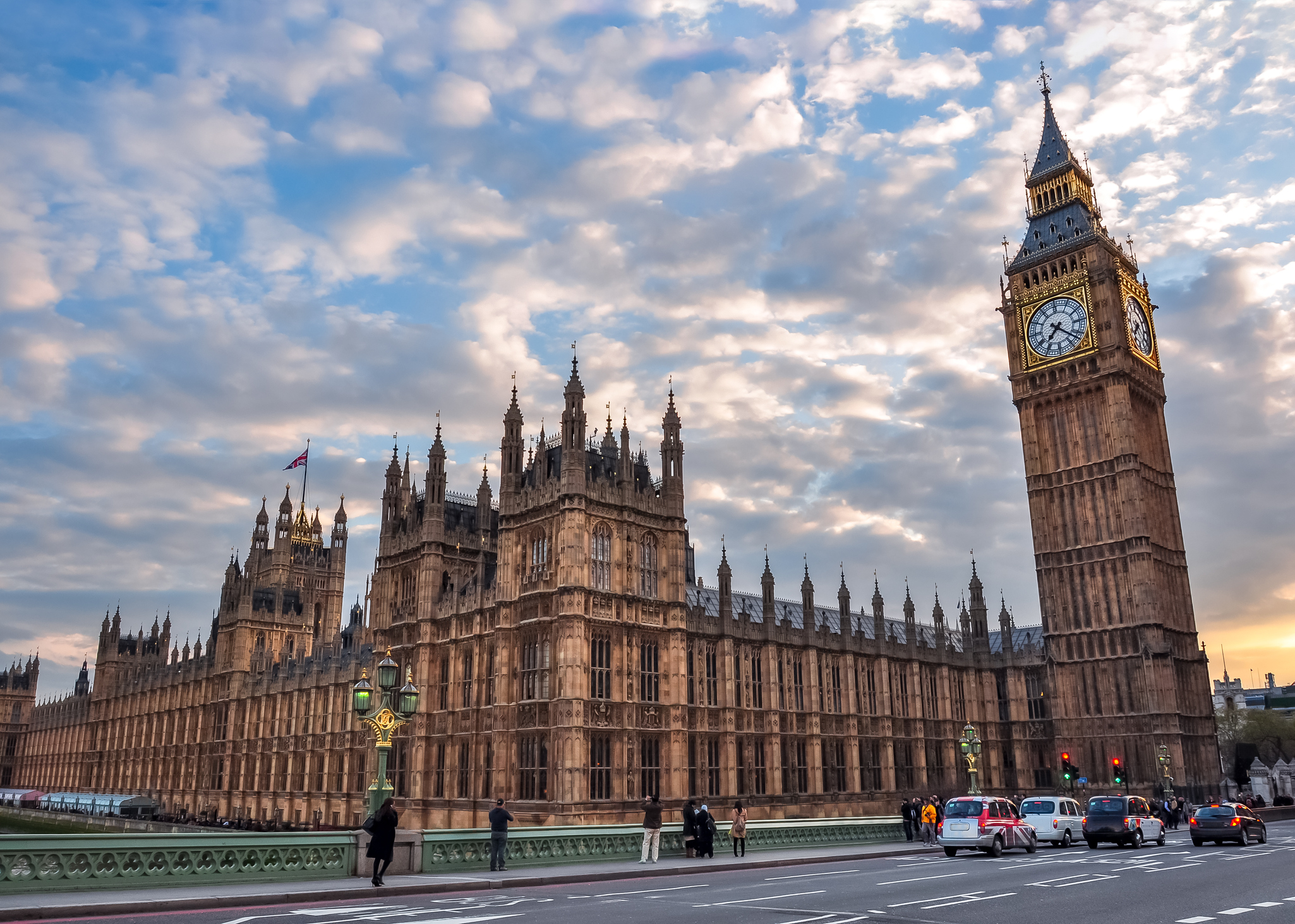
In the United Kingdom, dozens of hereditary peers are set to leave the House of Lords after Parliament approved legislation ending a centuries-old constitutional arrangement.
These are the final remnants of an aristocratic system that once dominated Britain’s upper chamber. Most hereditary peers (over 600) were removed in 1999 under Tony Blair’s Labour government, but a temporary compromise preserved a small bloc. Now, the House of Lords (Hereditary Peers) Bill is abolishing the remaining 92 hereditary seats, likely in May, when the current parliamentary session concludes.
Baroness Smith, Leader of the House of Lords, described the measure as the fulfilment of Labour’s manifesto promise to end the right of anyone to sit and vote in Parliament solely by virtue of inherited title.
“This has never been about individual contributions,” she said, “but about the principle that legislative power should not derive from birth.”
The government reached a negotiated settlement with Conservative peers, bringing a long-running procedural standoff to a close. In exchange for withdrawing opposition, Conservatives are expected to receive a number of life peerages, reportedly allowing around 15 hereditary Conservatives to remain in the chamber as appointed life members.
The final number of appointments will be determined by the Prime Minister.
The deal also involves retirements among existing life peers and a proposal to increase the number of paid ministerial roles in the Lords, as some ministers currently serve without salary due to statutory caps.
Lord True, the Conservative leader in the Lords, acknowledged that the government had a democratic mandate to proceed. While describing the compromise as “a bitter pill” for some colleagues, he said there was a need to avoid prolonged legislative “ping-pong” between the two Houses.
Why now? Because public conversations are currently on fire about hereditary power inherited status in Britain’s constitutional framework. Consider the reputational crisis surrounding Prince Andrew, who has recently withdrawn from public duties amid the Jeffrey Epstein scandal and subsequent civil settlement in the United States. This shocking reveal has significantly eroded public trust in elite institutions tied to inherited privilege. While Prince Andrew plays no role in Parliament and is not directly connected to Lords reform, his case intensified scrutiny of systems in which authority and influence are granted without question to those who have inherited said infrastructure.
