













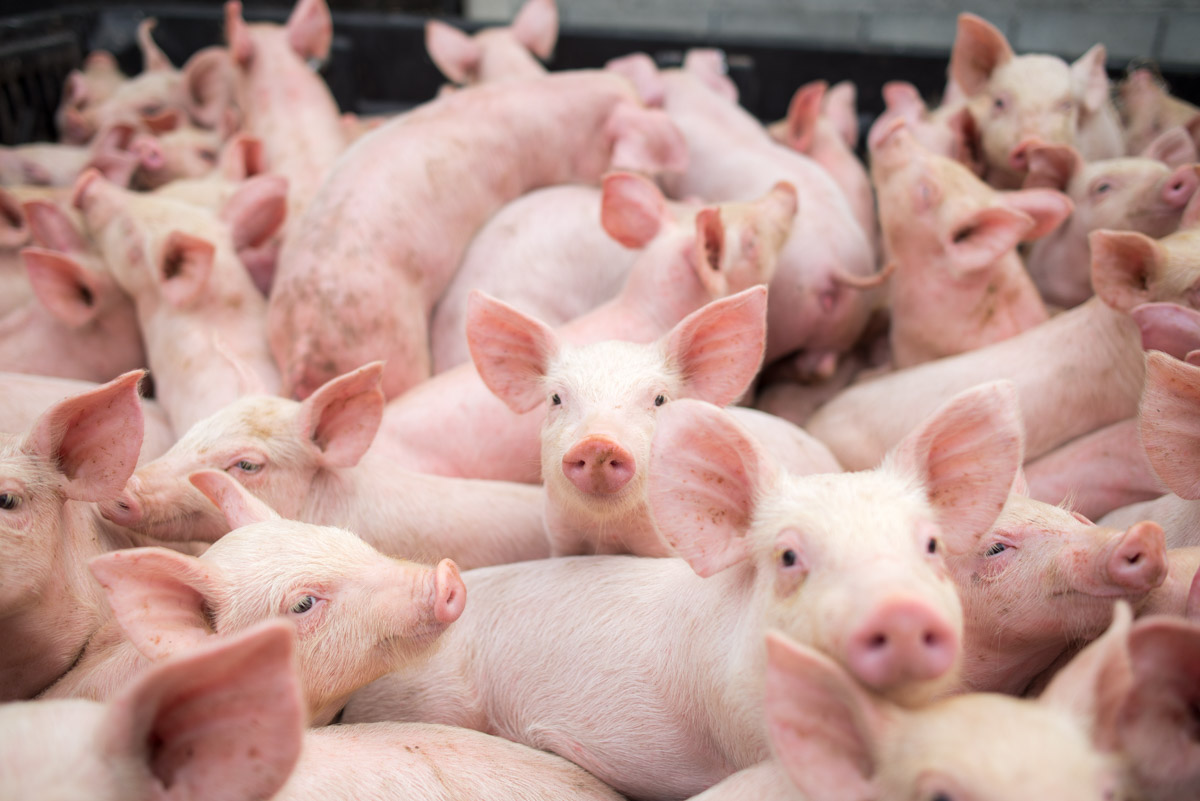
The geopolitical uncertainties and Donald Trump trade war are posing a challenge for the global pork industry. With China the main global importer of pork meat, any escalation of the tariff dispute may dramatically affect the US meat exports, writes eToro analyst for Romania, Bogdan Maioreanu.
Diseases are another challenge that the industry is fighting. Above all, changes in consumption habits might bring a supplemental uncertainty in this sector.
The US and the EU are the main global exporters of pork meat. The global pork meat market in 2025 is forecasted at approximately $407billion, growing at a modest rate of 2.3% per year, as the industry navigates complex regional dynamics. It is expected to reach $456 billion by 2030. While Asia-Pacific continues to dominate with 58% of global consumption, Europe faces significant structural challenges that are reshaping the continental market landscape.
The European pork industry faces structural decline driven by African Swine Fever (ASF) outbreaks, stricter environmental regulations, and rising production costs that undermine global competitiveness. Consumer shifts toward reduced meat consumption, animal welfare pressures, and export challenges from higher EU prices compared to Brazil and the US are forcing production cuts and market consolidation across the continent.
Romania is a net importer of pork meat while domestic production has been affected by epidemics in recent years. According to the Pork Producers’ Association, between 2017 and 2025, Romania has reported the highest number of swine flu (ASF) outbreaks in domestic pigs across the EU – over 7,000 out of approximately 12,700 in total. The outbreaks mainly affected household farms but also impacted commercial operations, resulting in the culling of more than 1.8 million pigs nationwide. Romania’s self-sufficiency rate when it comes to pork has plummeted from 70% in 2015-2016 to just 45% in 2024, needing sizable imports to satisfy internal demand. Between 2013 and 2024, Romania recorded the fastest growth rate in pork imports among leading importing countries, with an average annual growth rate of 7.7%, and the highest growth rate in import value in the EU at 11.2% annually.
EU pork exports tell a mixed story. These reached 1.8 million tonnes in the first five months of 2025, marking a 1.8% increase, however, the bloc is losing market share globally, with exports expected to decline by 3% overall in 2025 due to price disadvantages and ongoing China’s anti-dumping investigation (extended to December 2025) that some see as a retaliation against EU taxes on Chinese EVs. Spain maintains its dominance as the largest EU exporter with over 608,000 tonnes (+11%), followed by the Netherlands and Denmark, while Germany has dropped to fourth place following Foot-and-Mouth Disease restrictions at the beginning of the year. In addition, African Swine Flu continues to be a challenge for European producers.
Across the Atlantic, the US pork industry faces persistent challenges from elevated sow mortality rates exceeding 16% due to PRRS (Porcine Reproductive and Respiratory Syndrome) disease outbreaks, labor shortages, and ongoing regulatory pressures that increase production costs and market uncertainty. Export vulnerabilities from Chinese tariff risks, intensifying global competition from Brazil, and declining domestic consumption trends among younger consumers threaten long-term profitability despite recent price recovery. Analysts consider that the US pork industry outlook for 2025 presents a picture of moderate growth, price recovery, and resilient domestic demand, despite persistent export challenges and global competition.
In this complex environment, Smithfield Foods, the global leader in packaged meats and fresh pork, stunned markets this week with an exceptionally strong second-quarter performance. The company reported net sales of $3.8 billion for Q2 – an impressive 11% year-over-year jump. Sales were higher across the Packaged Meats (+6.9%), Fresh Pork (+5.0%), and Hog Production (+8.4%) segments. Adjusted operating profit surged to $298 million, marking a 20% increase over the same period last year. These results were related to the US market.
Smithfield’s robust sales growth spanned all business segments, due to strategic product innovation and a shift in consumer habits towards home cooking amid inflationary pressures. Following the report, Smithfield raised its full-year adjusted operating profit forecast to between $1.15 billion and $1.35 billion – up from previous guidance – indicating continued optimism for the remainder of 2025. Investors did not fail to notice Smithfield’s financial performance and optimistic guidance; the company’s stock price rose 4% in one day and is up 18.84% in the past 6 months.
While Smithfield has a plethora of investments in Europe, on August 26, 2024, the company completed a carve-out of these operations, including those of Comtim in Romania and transferred them to its Chinese parent. WH Group Limited (formerly known as Shuanghui Group) is a Chinese multinational meat and food processing company headquartered in Hong Kong that stands as the world’s largest pork producer. In 2024, the company had revenues of almost $26 billion. The company stock price is up almost 40% year to date.
