













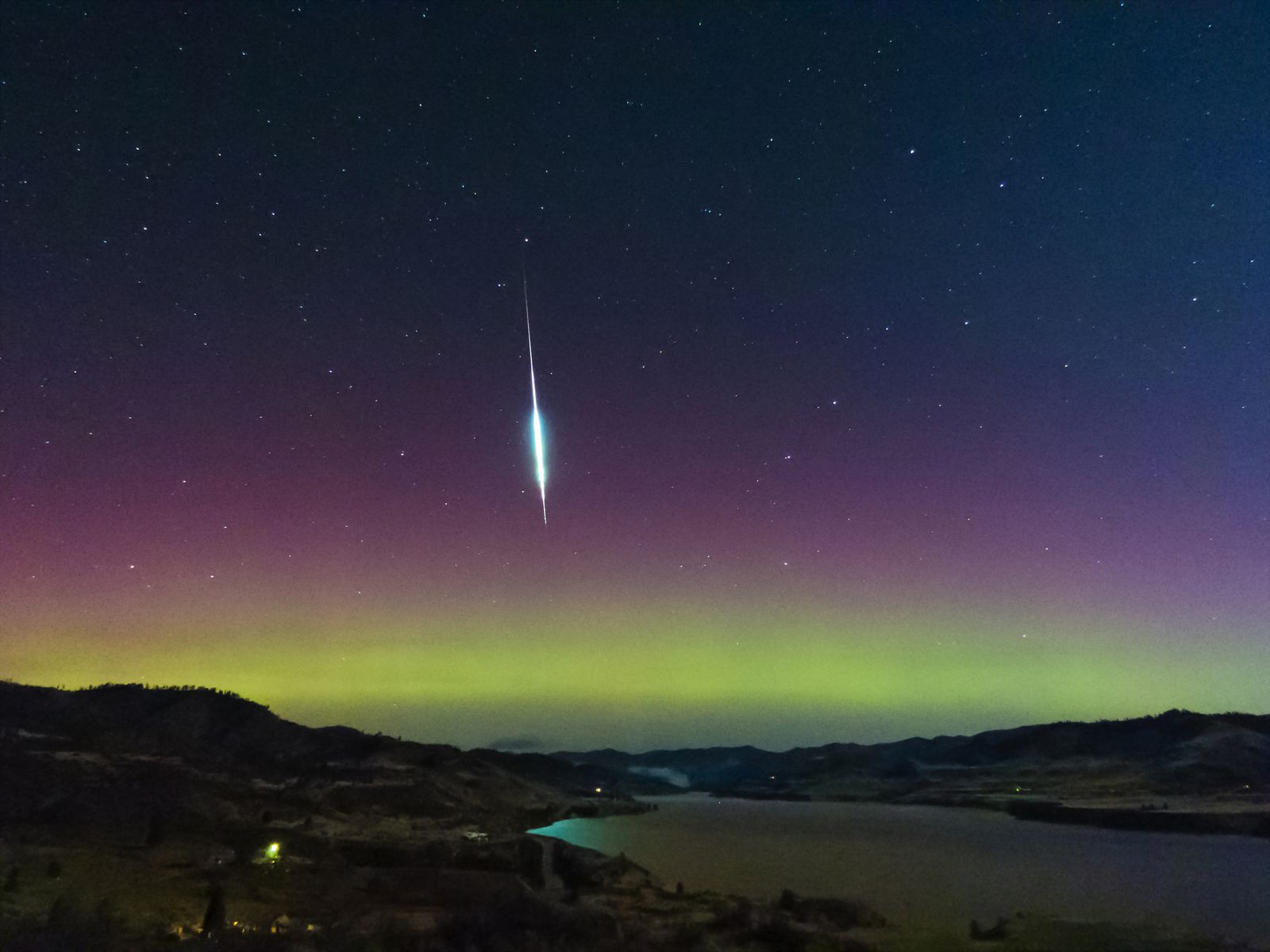
The Perseid meteor shower takes place every summer, and will peak on the night of Aug. 12, before dawn on Aug. 13, 2025.
Viewers should start looking around 11 PM, wherever they may be.
The number of shooting stars will rise until dawn, with the highest intensity of around 100 meteors per hour showing at 3 AM on Wednesday.
The peak always occurs three days after a full moon – this natural light pollution is a double-edged sword, as moonlight obstructs more delicate meteors.
In fact, the full moon of the past days has been a sight — enticingly yellow and hanging low in the sky — in these days of balmy August.
It is the biggest meteor shower of the calendar year — known its bright and rapid meteors that leave elongated trails in their wake.
Beyond the peak, the entire Perseids phenomenon of 2025 began on 17 July and will continue until 24 August.
Those interested in seeing it can locate the Perseus Constellation through a smartphone astronomy app, but chances are good that you’ll see it just looking up – should you have a relatively open space with a clear view of the sky.
The Perseid meteor shower can be seen from anywhere in the northern hemisphere.
The annual Perseid meteor shower occurs when the comet Swift-Tuttle approaches the Sun, releasing a trail of cosmic dust that burns into the atmosphere: nature’s fireworks, in other words.
