












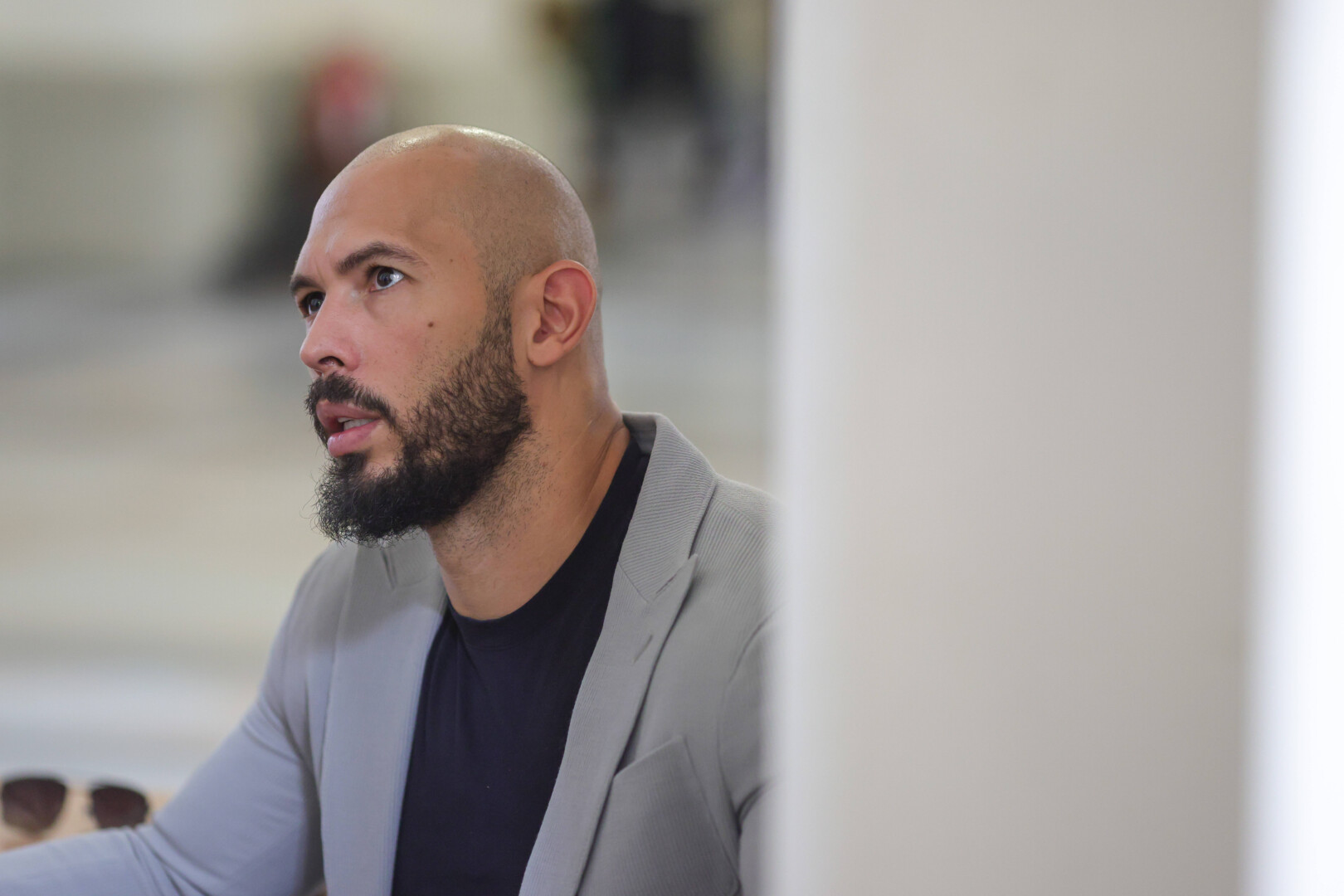
Andrew and Tristan Tate have lost a legal challenge seeking the identities of the women accusing them in the United Kingdom.
The Crown Prosecution Service (CPS) has withheld the names to reduce the risk that they could become public before criminal proceedings begin.
The brothers are due to face charges in the UK, including rape, human trafficking and other offenses, once they are extradited from Romania, where they are currently the subject of separate criminal proceedings. Both men deny all allegations.
The Tates asked the High Court to review the CPS’s decision, arguing that withholding the identities of the complainants violated their human rights and left them unable to properly prepare their defense. They also claimed they had been treated differently from other suspects.
However, on Friday, the High Court rejected their challenge. Mr Justice Chamberlain ruled that prosecutors had acted lawfully and were entitled to keep the women’s identities confidential until formal criminal proceedings begin in the UK.
The case stems from European arrest warrants obtained by Bedfordshire Police in 2024. In May 2025, prosecutors confirmed that Andrew Tate, 39, and Tristan Tate, 37, will face a total of 21 criminal charges in the UK, relating to alleged offenses said to have taken place between 2012 and 2016.
Although the brothers have been informed of the charges against them, the CPS decided not to disclose the identities of the complainants until they return to the UK to face trial.
During a hearing earlier this week, the Tates’ lawyer, Sallie Bennett-Jenkins KC, argued that prosecutors had wrongly assumed the brothers would identify the women on social media, exposing them to harassment and potentially discouraging them from taking part in the case. She described that assessment as an exaggerated and unsupported risk.
In his ruling,
Andrew and Tristan Tate have lost a legal challenge seeking the identities of the women accusing them in the UK. The Crown Prosecution Service (CPS) has withheld the names to reduce the risk that they could become public before criminal proceedings begin.
The brothers are due to face charges in the UK, including rape, human trafficking and other offences, once they are extradited from Romania, where they are currently the subject of separate criminal proceedings. Both men deny all allegations.
The Tates asked the High Court to review the CPS’s decision, arguing that withholding the identities of the complainants violated their human rights and left them unable to properly prepare their defence. They also claimed they had been treated differently from other suspects.
However, on Friday, the High Court rejected their challenge. Mr Justice Chamberlain ruled that prosecutors had acted lawfully and were entitled to keep the women’s identities confidential until formal criminal proceedings begin in the UK.
The case stems from European arrest warrants obtained by Bedfordshire Police in 2024. In May 2025, prosecutors confirmed that Andrew Tate, 39, and Tristan Tate, 37, will face a total of 21 criminal charges in the UK, relating to alleged offences said to have taken place between 2012 and 2016.
Although the brothers have been informed of the charges against them, the CPS decided not to disclose the identities of the complainants until they return to the UK to face trial.
During a hearing earlier this week, the Tates’ lawyer, Sallie Bennett-Jenkins KC, argued that prosecutors had wrongly assumed the brothers would identify the women on social media, exposing them to harassment and potentially discouraging them from taking part in the case. She described that assessment as an exaggerated and unsupported risk.
In his ruling, Mr Justice Chamberlain rejected those arguments, stating that the brothers have no legal entitlement to know the complainants’ identities at this stage of the proceedings. He also found that none of the grounds for judicial review were arguable.
The judge noted that a senior CPS prosecutor had personally met the complainants and assessed them as vulnerable. He said the brothers’ high public profile increased the potential harm if the women were publicly identified.
Describing the Tates as “notorious”—a characterisation he said was fair—the judge noted that they are banned from all Google-owned social media platforms. He ruled that prosecutors were justified in taking a precautionary approach to protect the complainants.
Mr Justice Chamberlain also rejected the brothers’ offer to provide a financial guarantee that they would not reveal the women’s identities, finding there was no legal mechanism to enforce such an agreement.
Finally, the judge dismissed the argument that withholding the complainants’ identities would undermine the brothers’ right to a fair trial, concluding that the CPS’s decision did not unlawfully interfere with their ability to prepare a defence.
Justice Chamberlain rejected those arguments, stating that the brothers have no legal entitlement to know the complainants’ identities at this stage of the proceedings. He also found that none of the grounds for judicial review were arguable.
The judge noted that a senior CPS prosecutor had personally met the complainants and assessed them as vulnerable. He said the brothers’ high public profile increased the potential harm if the women were publicly identified.
Describing the Tates as “notorious”, the judge noted that they are banned from all Google-owned social media platforms. He ruled that prosecutors were justified in taking a precautionary approach to protect the complainants, and also rejected the brothers’ offer to provide a financial guarantee that they would not reveal the women’s identities, finding there was no legal mechanism to enforce such an agreement.
Finally, the judge dismissed the argument that withholding the complainants’ identities would undermine the brothers’ right to a fair trial, concluding that the CPS’s decision did not unlawfully interfere with their ability to prepare a defense.
