












The escalating geopolitical tensions have reshaped Europe’s defense landscape, triggering an unprecedented surge in both spending and stock performance across the continent’s defense sector.
As Europe contemplates a future with potentially diminished US military support, a strategic shift of historic proportions is underway. For investors this is good news as European defense companies are in pole position for new contracts, writes eToro analyst for Romania, Bogdan Maioreanu.
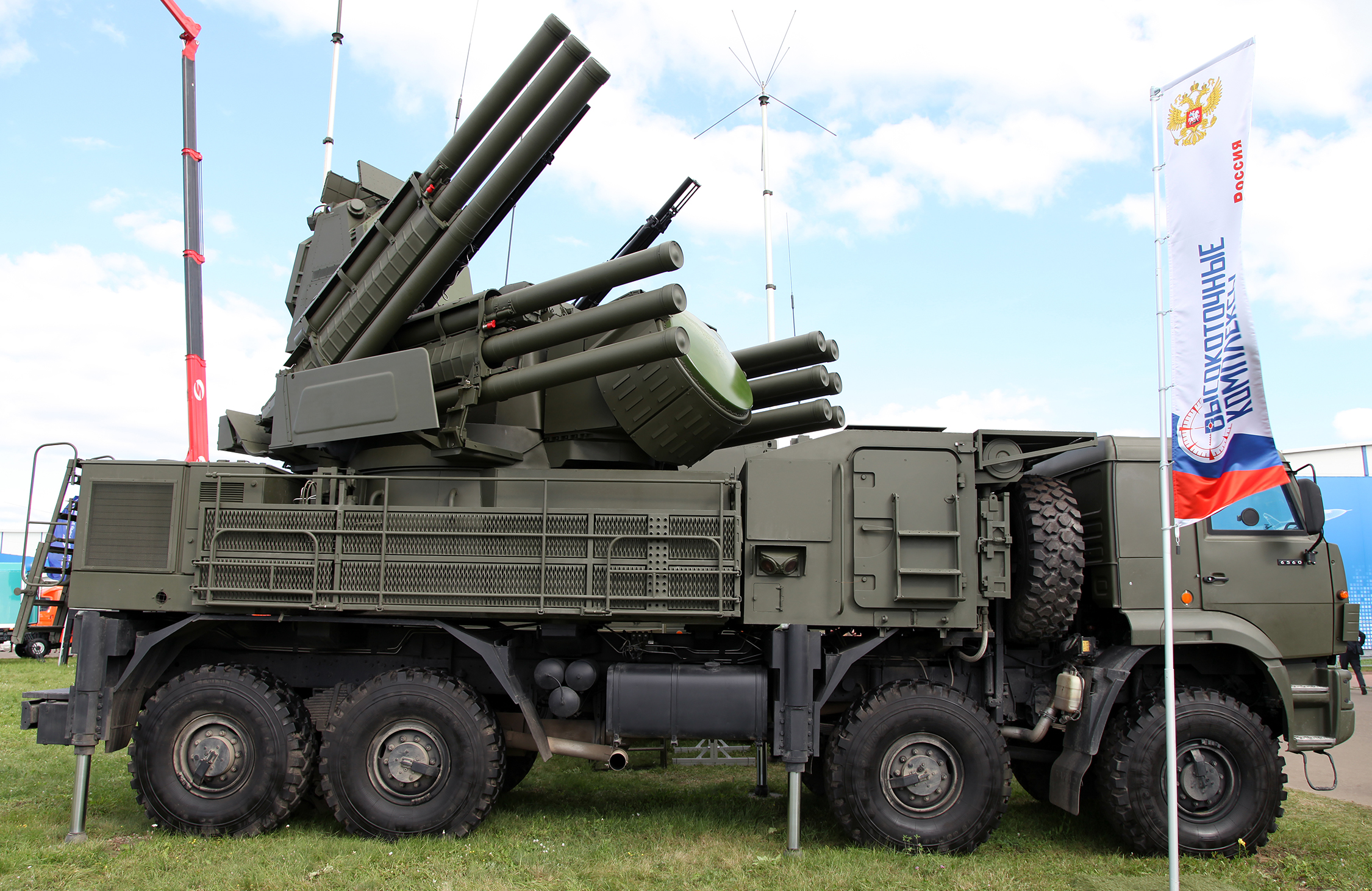
According to a Kiel Institute analysis, establishing a credible European deterrent without US backing would require approximately 300,000 additional troops and a defense spending increase of at least €250 billion in the short term. Also, Europe would need a minimum of 1,400 tanks, 2,000 infantry fighting vehicles, and 700 artillery pieces to create a viable defense posture against potential Russian aggression. Sufficient ammunition stockpiles would be needed (at least one million 155mm shells for 90 days of intense combat). Also drone production would need to increase to about 2,000 long-range loitering munitions per year.
These requirements significantly exceed the current combined capabilities of major European powers. Europe would need to increase defense spending from the current 2% of GDP to approximately 3.5%, requiring an additional €250 billion annually. Germany alone would need to increase its defense spending from €80 billion to €140 billion (about 3.5% of GDP). To replace US support for Ukraine, the EU would only need to spend an additional 0.12% of its GDP, a macroeconomically feasible amount, as is mentioned in the analysis.
Europe relies heavily on US capabilities for critical enablers such as battlefield command and control, satellite intelligence, and long-range strike capabilities. Developing these capacities independently represents a monumental challenge that will reshape Europe’s defense industrial complex for decades to come.
This strategic imperative has catalyzed remarkable growth among leading European defense companies. The best-performing European defense stock is Rheinmetall, which has skyrocketed almost 110% year-to-date and 200% over the last 12 months. The company backlog reached a new record high of €55.0 billion, an increase of 44% (previous year €38.3 billion). Rheinmetall forecasts sales and earnings growth to continue in fiscal year 2025 by 25% to 30%.
While Rheinmetall is the star, there are other companies that have seen spectacular rises in stock prices. Hensoldt, also from Germany, up over 93%, Sweden’s Saab AB 65%, Leonardo (Italy) 66%, and Thales (France) 80%. Meanwhile, US defense stocks are having mixed results with Lockheed Martin down 5%, Boeing is down almost 12%, while Northrop-Grumman was up 1.8% this year. And amid recent Trump administration rhetoric of the possibility of a US withdrawal from Europe, the defense contractors over the Atlantic might not be in the EU’s spending crosshairs.
This remarkable performance of European defense companies in the stock markets reflects growing investor confidence in Europe’s commitment to defense self-sufficiency. The European Commission’s ambitious “ReArm Europe” package aims to mobilize nearly €800 billion through multiple mechanisms, including increased fiscal flexibility for defense investments and €150 billion in dedicated loans.
Between 2021 and 2024, EU member states’ total defense expenditure has already increased by more than 30%, reaching an estimated €326 billion (approximately 1.9% of EU GDP) in 2024. This trajectory is expected to continue, with projections indicating a further €100 billion increase by 2027. In this context, the transformation of Europe’s defense industrial complex represents one of the most significant economic and strategic shifts of the decade that will also require expanding the defense production capabilities in Europe. Trump managed to wake up the industry from the long slumber of the post WW2 peace dividends.
Some of the price movements of defense companies were extreme, with large upward gaps in the charts—a clear sign of strong demand and speculative interest. However, the sudden euphoria has a fundamental trigger: Europe is undergoing a historic policy shift. The market has already priced in a lot of optimism, reflected in the sharp rally. Despite a possible short-term overvaluation, the long-term growth trend indicates a strong growth for the sector, as increased defense spending is expected to continue in the future. However, in this market phase, tactical timing might be crucial for investors.
