









The European Union is considering a new visa ban targeting Russian nationals who have served in the military during the war in Ukraine, as part of its latest package of sanctions against Moscow.
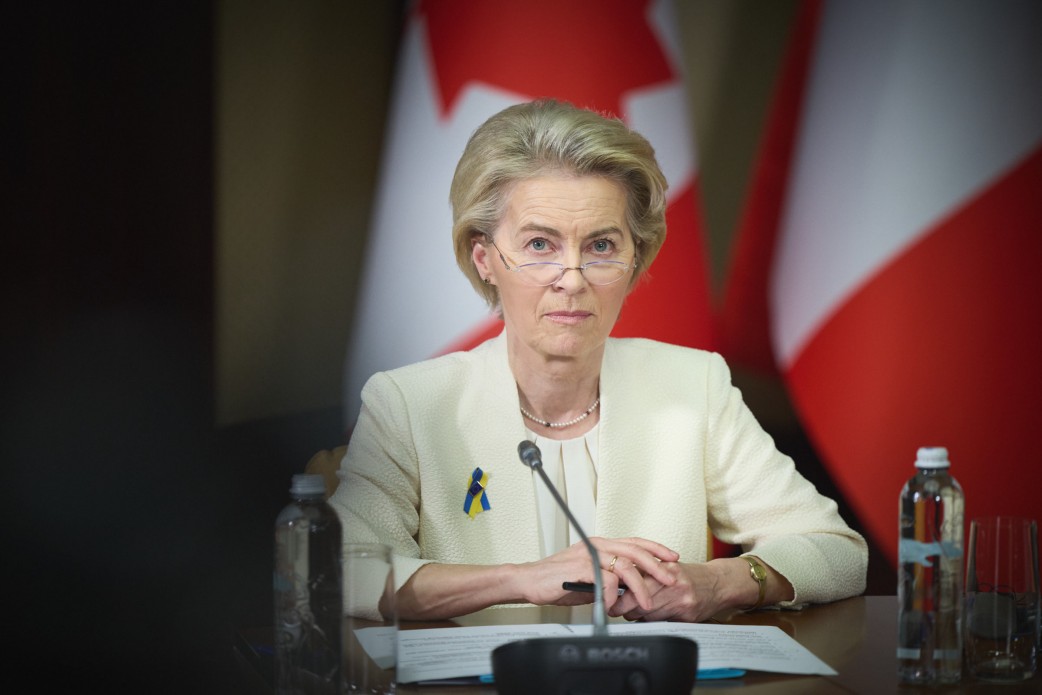
European Commission President Ursula von der Leyen announced the proposed measures on June 9, describing them as the EU’s 21st sanctions package since Russia launched its full-scale invasion in 2022.
Under the proposal, individuals who have served in the Russian armed forces since the start of the war would be barred from entering the EU.
Von der Leyen said the measure is intended to ensure that those involved in the invasion are denied access to Europe.
The package also seeks to maintain pressure on Russia’s energy revenues: Brussels wants to keep the existing price cap on Russian crude oil at approximately $44 per barrel until January, arguing that this would prevent the Kremlin from benefiting from recent increases in global oil prices linked to instability in the Middle East.
Moreover, the EU plans to target cryptocurrency platforms, financial institutions and oil traders accused of helping Russia circumvent existing restrictions.
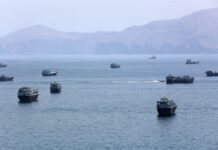
Another 30 vessels associated with Russia’s so-called “shadow fleet”, used to transport sanctioned oil exports, would also be added to the blacklist.
The proposed sanctions extend to trade measures as well, as the European Commission is seeking to limit imports of several Russian fish products, such as Alaska pollock and cod, while also increasing restrictions on companies outside Russia that are believed to supply goods to its military sector.
Officials said the list includes 14 additional firms based in mainland China and Hong Kong.
EU officials argue that repeated rounds of sanctions are gradually eroding Russia’s economic capacity to sustain the war.
Von der Leyen has claimed that the burden is increasingly being felt by ordinary Russians through declining living standards and the human cost of the conflict.
In a similar line, EU foreign policy chief Kaja Kallas estimated that Western sanctions have cost the Russian economy as much as $1.5 trillion since the beginning of the war.
The measures must still be approved unanimously by all 27 EU member states before they can take effect.
Why is this only happening now, one might ask? Because the EU has exhausted its earlier measures. As a result, this only accentuates the current nature of the conflict: that is, prolonged.
