















The U.S. and Iraq launched attacks on Iran on Saturday morning, hours after several governments warned their citizens of the growing risk of a U.S. attack on Iran and encouraged everyone in Iran or Israel to either leave these areas as soon as possible.
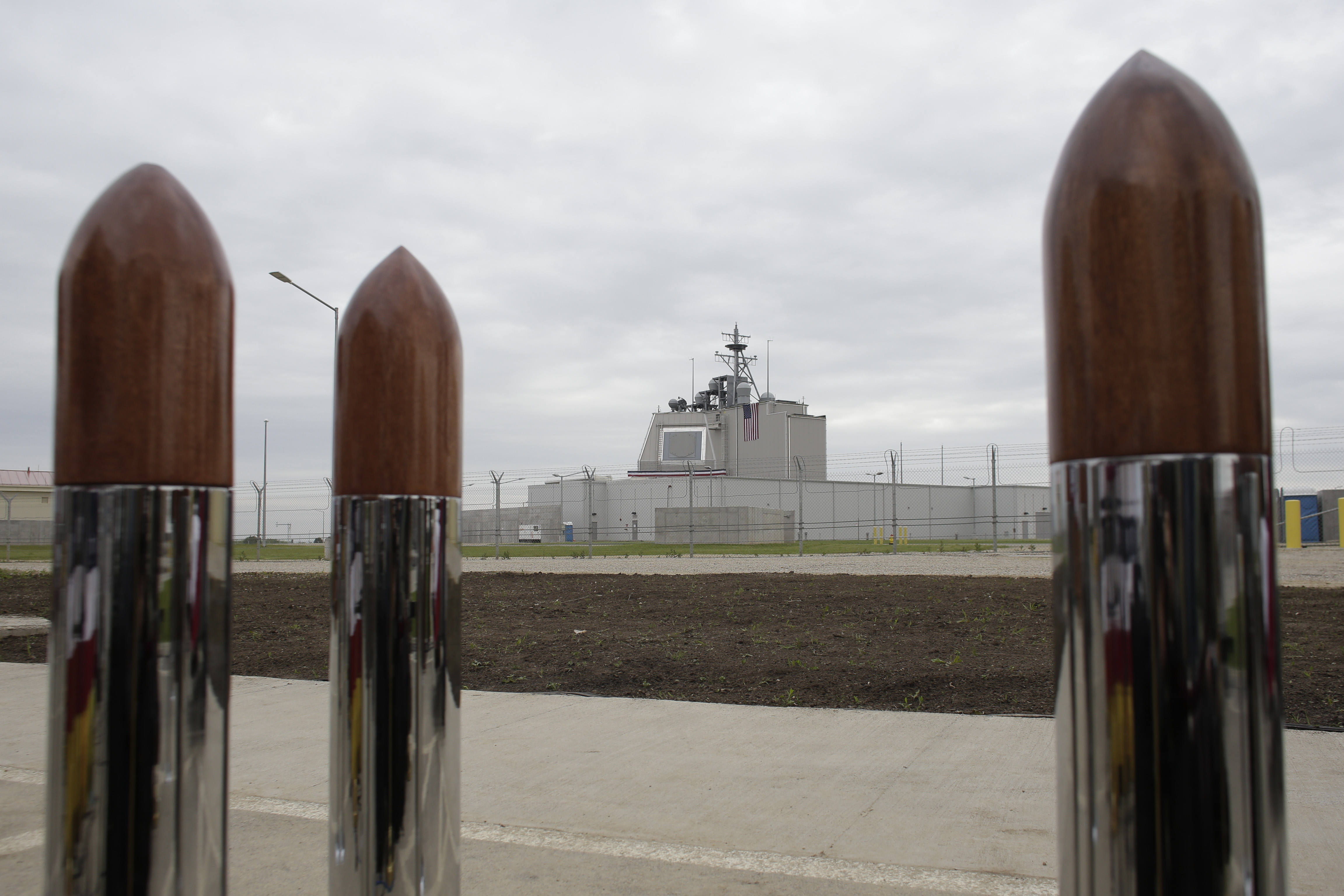
In the context of a possible open conflict between the US and Iran, the Deveselu shield becomes an important piece in Europe’s defense architecture as part of NATO’s Ballistic Missile Defense System, created specifically to defend the continent from long-range missiles owned by the Iranian army.
Why the Deveselu shield is important
Located some 2m500 km from Iran, Deveselu is an important location for NATO’s Ballistic Missile Defense System because it is one of the two locations in continental Europe where the Aegis Ashore, a ballistic missile defense system, is installed, G4Media reports.
- “The Aegis Ashore uses a defensive system almost identical to that used on the U.S. Navy’s Aegis-equipped guided missile destroyers and cruisers at sea. The system is designed to detect, track, intercept and destroy ballistic missiles in flight. It uses the Standard Missile-3 (SM-3) interceptor, which does not have an explosive warhead, but intercepts and destroys missiles by kinetic impact,” according to the U.S. Naval Forces Command Europe and Africa (NAVEUR-NAVAF)
As early as 2016, after the Deveselu system became operational, Bob Work, US Deputy Secretary of Defense declared that the shield in our country is a defensive system against Iran:
“But, as others have already said, and as you know, we are here to celebrate another important achievement in the relationship between the United States and Romania – this AEGIS Ashore missile site. As long as Iran continues to develop and deploy ballistic missiles, the United States will work with our allies and partners to defend NATO and its member states against this threat.”
In April 2024, several of the Iranian ballistic missiles targeting targets in Israel were shot down with interceptors similar to those on the Deveselu shield. It was the first time that the United States used this type of missiles in combat, which were launched from American ships in the Mediterranean Sea, TVR Info noted.
A year later, in June 2025, representatives of the Israel Defense Forces (IDF) published on the X platform a map showing the ranges of Iranian ballistic missiles. Romania is within the maximum coverage range – up to 2,000 kilometers – of the Iranian arsenal, Mediafax journalists noted.
Also in June 2025, Foreign Minister Emil Hurezeanu told Antena 3 CNN, that the Deveselu anti-missile shield was placed on the territory of our country also in reaction to the nuclear danger posed by Iran.
How the Ballistic Missile Defense System (BMD) was operationalized, which must be to defend Europe from Iranian missiles
In 2010, the Allies decided to develop an expanded ballistic missile defense (BMD) capability to fulfill NATO’s fundamental mission of deterrence and defense.
The objective of NATO’s ballistic missile defense system is to ensure the complete coverage and protection of NATO’s population, territories and forces in Europe against the growing threat posed by the proliferation of ballistic missiles. For example, over the past decade, allies have continuously expressed concern about Iran’s increased missile tests, as well as the range and accuracy of its ballistic missiles.
NATO’s ballistic missile defense system is based on voluntary national contributions, including nationally funded interceptors and sensors, as well as hosting arrangements. It also relies on the command and control systems infrastructure provided through the NATO BMD Program, which is jointly funded by all allies.
National contributions to NATO’s Ballistic Missile Defense (BMD) system are as follows:
- Germany hosts the NATO BMD command center at Ramstein Air Base.
- The United States contributes to the NATO BMD system through the European Phased Adaptive Approach (EPAA).
- Turkey hosts an American BMD radar in Kürecik.
- Romania hosts an American Aegis Ashore base at Deveselu Air Base.
- Poland hosts another U.S. Aegis Ashore base at the Redzikowo military base.
- In addition, in the context of the EPAA, Spain hosts four US Aegis ships with multi-mission BMD capability at its naval base in Rota, to be used in NATO’s BMD mission when needed.
