












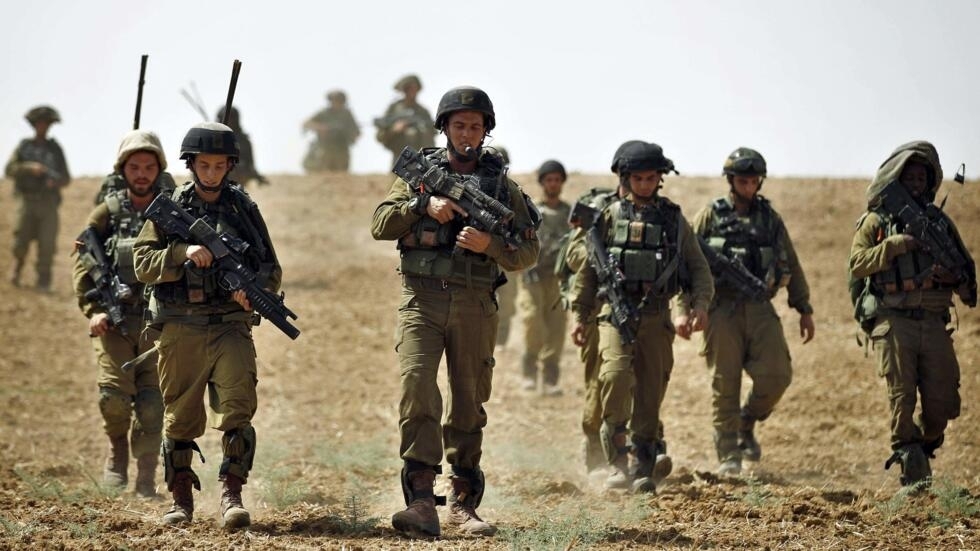
Israel and Hezbollah have agreed to a ceasefire that took effect at 4 p.m. local time on Friday.
The agreement was brokered by U.S. and Qatari negotiators with assistance from Iran.
“Hezbollah and Israel have agreed to a ceasefire,” a senior U.S. official told Reuters on condition of anonymity. “Following the exchange of fire earlier today, both sides are now under a ceasefire arrangement.”
The truce followed one of the deadliest days in the conflict between Israel and Hezbollah. According to Lebanon’s Health Ministry, Israeli airstrikes across southern and eastern Lebanon killed at least 47 people and injured 97 others on Friday. The attacks included strikes on the Nabatieh region in southern Lebanon and the Bekaa Valley in the east.
At least 18 people were killed and 33 wounded in the Nabatieh area alone. Israel said the strikes were carried out in response to repeated Hezbollah violations, including a drone attack that killed four Israeli soldiers and wounded five others near Nabatieh.
Two Hezbollah officials confirmed that the group would halt attacks under the ceasefire agreement. Israel’s ambassador to the United States, Yechiel Leiter, also endorsed the arrangement, stating: “Israel remains firmly committed to an immediate ceasefire. If Hezbollah honours the agreement and ceases its hostilities, they will be met with quiet.”
Despite the ceasefire coming into force on Friday afternoon, reports indicated that hostilities continued afterward. Lebanese media reported that Israeli warplanes and drones carried out strikes across the Nabatieh region overnight and into Saturday morning. An airstrike near the town of Arabsalim reportedly killed at least five people. Israeli artillery also shelled areas around Nabatieh before dawn.
The Israeli military said it would continue to respond to any perceived Hezbollah violations and remove what it described as immediate threats. Hezbollah and Lebanese officials, meanwhile, accused Israel of violating the ceasefire.
The truce is linked to a broader U.S.-Iran agreement signed earlier this week. On Wednesday, U.S. President Donald Trump and Iranian President Masoud Pezeshkian electronically signed the Islamabad Memorandum of Understanding, which aims to end the wider conflict involving the United States, Israel and Iran and halt Israeli attacks on Lebanon.
Iran had initially been expected to hold talks with U.S. officials in Switzerland on Friday regarding the implementation of the agreement. However, Tehran postponed the meeting following the Israeli strikes in Lebanon. The Iranian delegation is expected to be led by Foreign Minister Abbas Araghchi, while U.S. representatives are expected to include special envoys Steve Witkoff and Jared Kushner.
The United Nations welcomed reports of the ceasefire and urged both sides to respect the agreement.
“We continue to call on the parties to cease hostilities, respect existing ceasefire arrangements, and pursue dialogue as the only viable path to long-term security and stability on both sides of the Blue Line,” UN spokesman Stéphane Dujarric said.
Dujarric also condemned the loss of civilian life in Lebanon and expressed hope that the ceasefire would hold.
“The people of Lebanon need peace. They need to rebuild their lives. The government of Lebanon needs to reassert its authority over its full territory, and the people of northern Israel need to be able to go home in safety as well,” he said.
While the ceasefire formally remains in place, continued military activity on the ground has raised concerns about whether the truce can be sustained.
Romanians announce protest over latest twist in weekslong political crisis
