








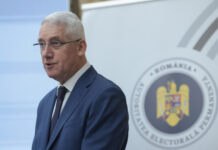




Romania’s President Nicusor Dan has defended the cancellation of 2024 presidential elections over alleged Russian interference saying the annulment was based on a threat to the country’s ‘constitutional order.’
His comments on Wednesday come after the U.S. House of Representatives’ Judiciary Committee, claimed in a preliminary report that the European Union had interfered in the national elections of EU member states without specifically naming Romania.
President Dan said that the decision to annul the 2024 presidential elections was “a domestic legal act of protection of the constitutional order in the face of an asymmetric threat, based on the assessments of national security institutions and the authority of the Constitutional Court of Romania.”
Previously, TikTok which heavily promoted Russia-friendly candidate Calin Georgescu said it had “proactively prevented nearly 45,000,000 fake likes, more than 27,000,000 fake follow requests and blocked more than 400,000 spam accounts from creation in Romania.”
“We also removed: +115,000 fake accounts +7,000,000 fake likes +11,000,000 fake followers +1,100 accounts impersonating presidential candidates”.
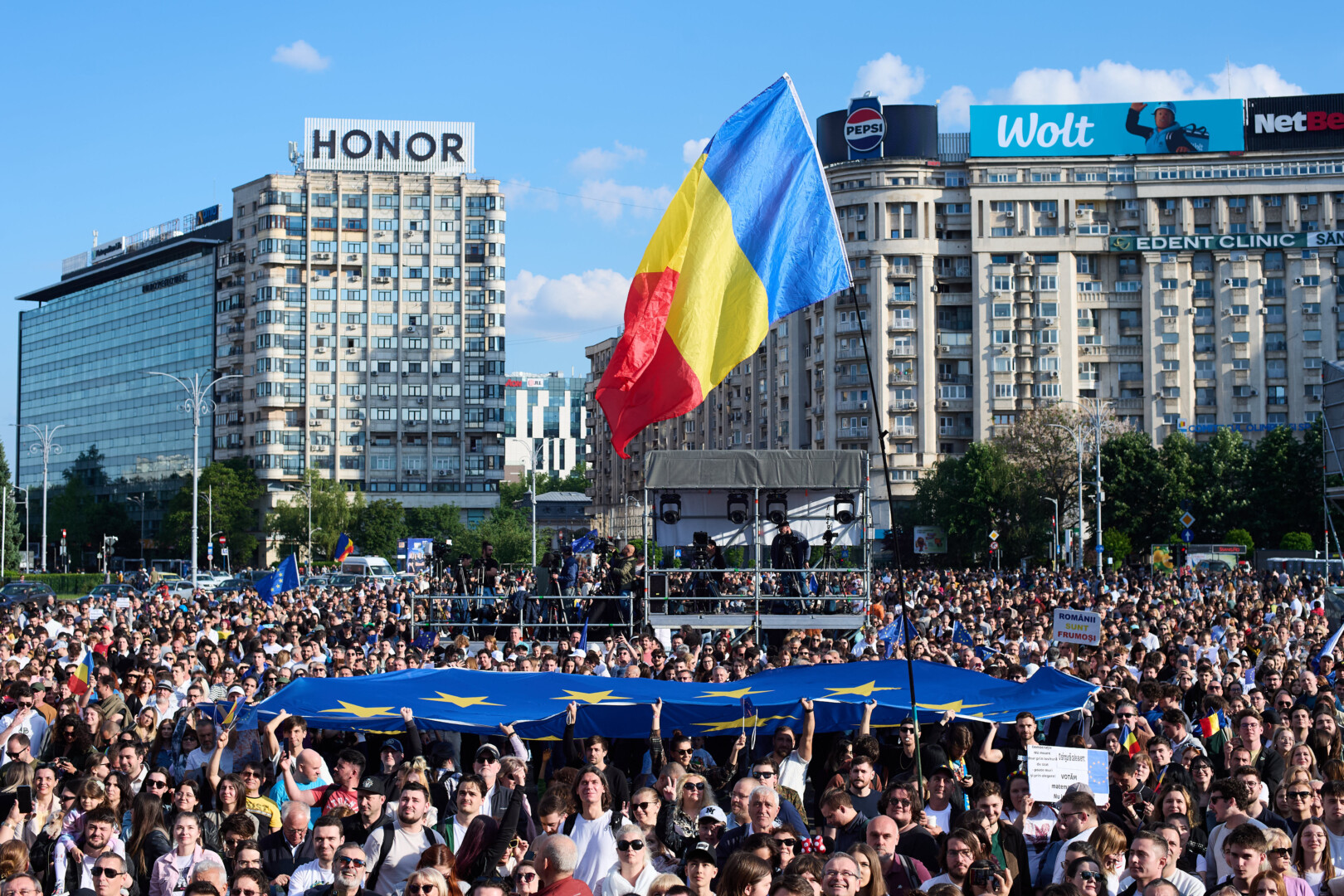
Georgescu unexpectedly won the first round before Romania’s top court canceled the election over allegations of Russian meddling to boost Georgescu artificially on the TikTok platform. Moscow denies interference.
Dan also pointed to Russian interference European elections including Romania, that has been highlighted by official reports of NATO, the European Union and Britain.
România nu este subiectul Raportului preliminar al Comitetului Judiciar al Camerei Reprezentanților din Congresul SUA, iar referirile din document la adresa țării noastre sunt strict contextuale, într-o dezbatere mult mai amplă despre libertatea de exprimare.
Referirile la…
— Nicușor Dan (@NicusorDanRO) February 4, 2026
The European Commission also rejected US allegations that it influenced the Romanian elections through pressure on social media. It said claims of “censorship” and electoral interference in the national elections of the member states were baseless.
The criticism appeared in a report by the U.S. House of Representatives’ Judiciary Committee,which claims there was a campaign to censor American speech carried out by the European Commission over a period of ten years.
The 160-page document, drafted by allies of Donald Trump accuses the EU of waging a “ten-year-long” campaign to control “what is said online” on a global scale.
These accusations are “absurd and completely unfounded,” said Thomas Regnier, a spokesperson for the EU executive.
These U.S. lawmakers are focusing on the legal arsenal available to Brussels to regulate the activity of major online platforms. These European regulations are, in fact, the most robust in the world.
They are constantly criticized by the Trump administration and by social media owners, who argue that such rules undermine freedom of expression.
