













Romania’s latest inflation figures reveal persistent price pressures despite a slight moderation in October 2025. The country continues to lead the European Union in consumer price growth, underscoring the structural challenges amid a stagnating economy and limited monetary policy flexibility, writes eToro analyst for Romania, Bogdan Maioreanu. .
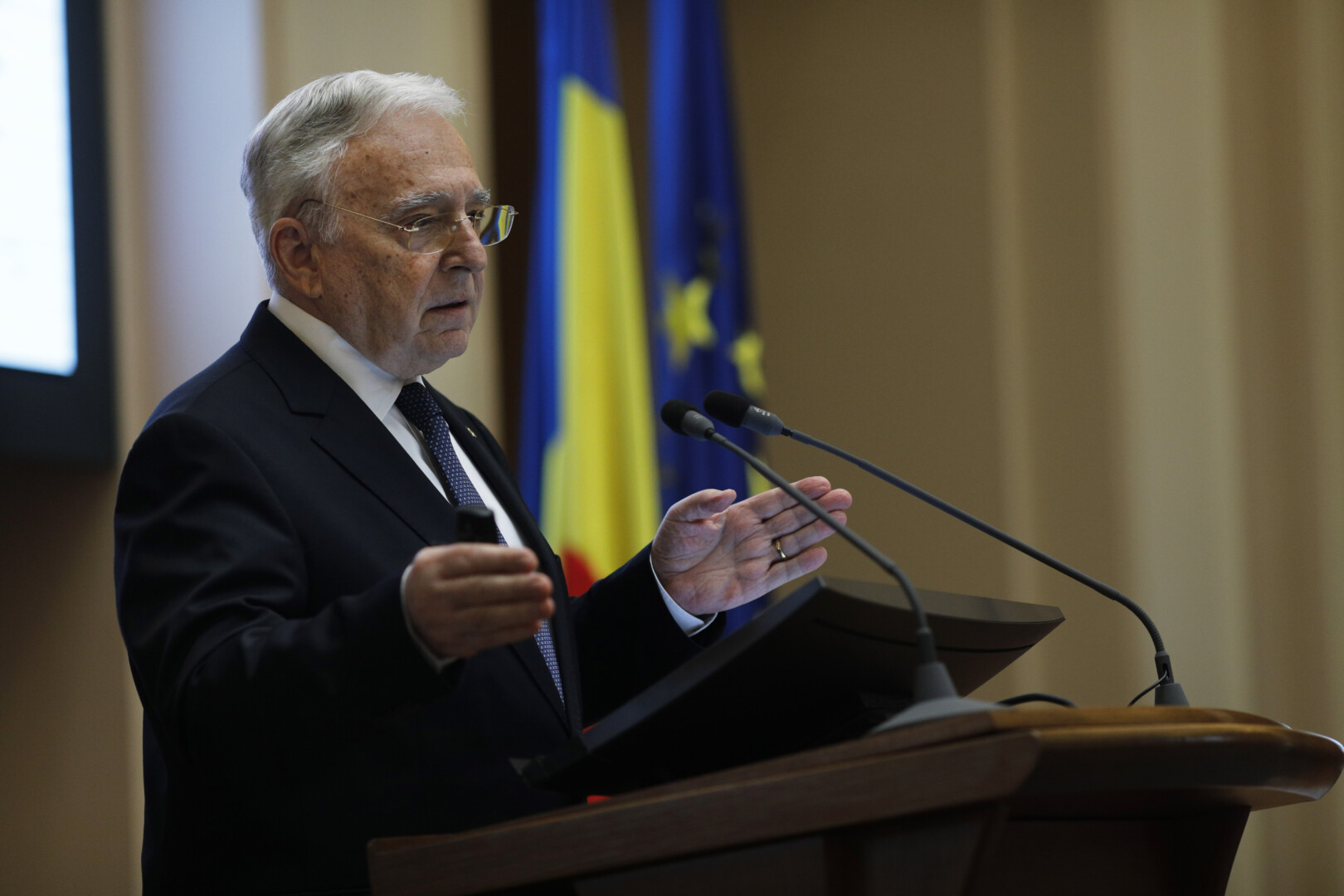
The National Bank of Romania decided Wednesday to keep the interest rate unchanged at 6.5%, mentioning the possibility of high inflation persisting for longer. Unfortunately, with inflation this high, the central bank can’t do much to boost the now struggling economy, with massive public deficits that need to be reduced and consumption that fell drastically after the government’s austerity measures kicked in.
Romania’s annual inflation rate came slightly lower in October 2025 to 9.8%. This remains the highest level since June 2023; however, the price growth for both food and non-food items has moderated compared to September of this year. Service prices rose at a slightly higher pace (10.52% vs 10.36%). On a monthly basis, consumer prices rose by 0.5% in October, following a 0.36% increase in September.
Meanwhile, the GDP data came nearly flat at 0.3% growth year on year. This high level of inflation in Romania made the National Bank of Romania keep the interest rate at a hefty 6.5% for the 16th month in a row, well under inflation, with very few prospects to see a decrease in the near future.
The National Bank of Romania mentioned in its press release that annual inflation will decline slightly over the next three quarters, but will remain higher than previously estimated. This is due to temporary but stronger-than-expected effects caused by two recent government measures: the removal of the cap on electricity prices on July 1 and the increase in consumption taxes (VAT and excise duties) starting August 1, 2025.
The NBR inflation report for November, predicts that only in the third quarter of 2026 will inflation fall sharply once these direct effects are estimated to disappear. Subsequently, it will continue on a downward trend, but the pace of decline will be slower than previously anticipated, starting from a higher level. In 2027, inflation is estimated to reach the NBR target. This development will be supported by a decline in economic demand caused by the new fiscal and budgetary measures introduced in August 2025, which will temper consumption and investment.
There are also further uncertainties and political upheaval about the measures that the authorities will take in the coming period to continue fiscal consolidation, in line with the plan agreed with the European Commission on deficit reduction. The Romanian economy also faces external risks that may influence economic activity and inflation in the medium term. These include global trade tensions, the war in Ukraine, and increased spending on defense and infrastructure in European Union countries—factors that may alter the direction of economic policies and pressures on prices.
Currently, Romania has the highest inflation in the EU and third highest in Europe, after Turkey and Ukraine, before Russia, Belarus and Moldova. If we are looking at the countries in the Central and Eastern part of the European Union, inflation in Bulgaria is at 5.6% (an increase in September figure – the latest published – from 5.3% in August), in October Hungary is flat at 4.3%, Slovakia is also showing a slight increase to 4.3% from 4.2% in September, and Poland is showing a slight decrease to 2.8% compared with 2.9% a month ago and the Czech Republic at 2.5%, showing also a slight increase from the 2.3% posted for September. All are figures much lower than our record inflation. Eurozone consumer price inflation decelerated to 2.1% from 2.2% in September 2025, slightly higher than the minimum seen in May of 1.9%. In the EU, the only country with deflation is Cyprus, which posted a -0.3% annual inflation figure for October 2025.
Inflation is a real concern for Romanian retail investors as it was considered the number one external risk for their portfolios according to the latest eToro Retail Investor Beat survey. It is closely followed by a potential recession of the Romanian economy.
Romania faces an uneasy balance between curbing price growth and sustaining economic activity. This should give enough worries to politicians across the whole political spectrum to start finally implementing the reforms the country desperately needs.
_
