






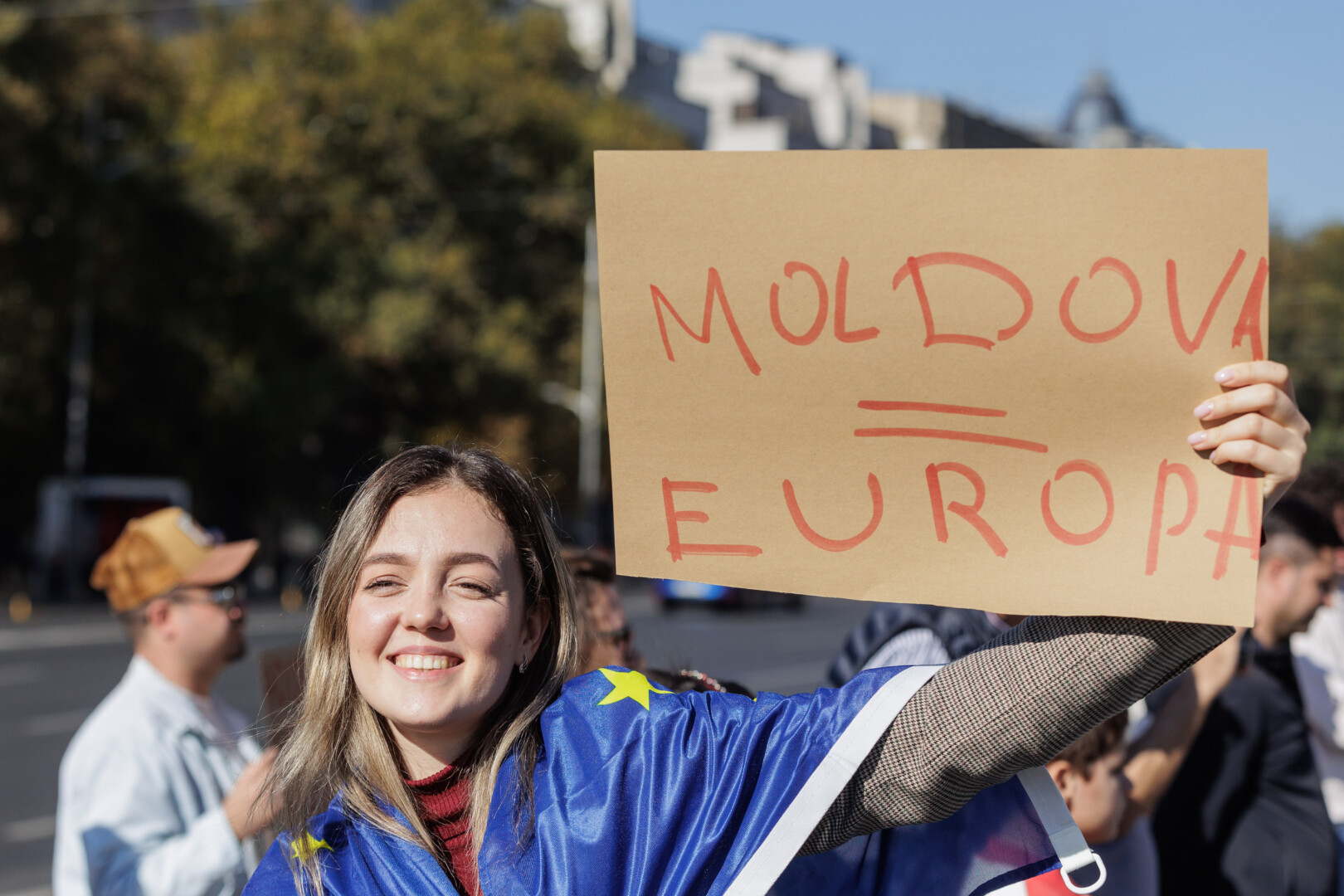
A secret pro-Kremlin propaganda network, funded by Russia, has been infiltrated by a BBC undercover reporter who has exposed a sophisticated disinformation mechanism aimed at undermining Moldova’s parliamentary elections, scheduled for September 28.
The BBC investigation shows how people recruited into the network received money to produce and distribute pro-Russian and anti-government content on social media, explicitly to attack the Action and Solidarity Party (PAS), the pro-EU party founded by President Maia Sandu.
Participants were paid to find supporters of Moldova’s pro-Russia opposition and carry out a so-called poll which was done in the name of a non-existent organization, making it illegitimate. The results of the ‘poll’ suggested the ruling party will lose and was published online.
However, official polls suggest the ruling Party of Action and Solidarity (PAS) is currently ahead of the pro-Russian Patriotic Electoral Bloc (BEP).
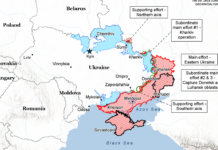
Moldova which lies between Ukraine and EU-member Romania has strategic significance for both Europe and the Kremlin.
Recruitment and payment through sanctioned Russian bank
The recruits were brought into a coordinated group on the Telegram app and participated in secret online seminars with suggestive titles such as “How to Go Straight From the Kitchen to National Politics.”
There they were tested, trained and evaluated to become “operative”.
The group’s coordinator, identified as Alina Juc, originally from Transnistria, the pro-Russian separatist region, told the recruits that they would be paid 3,000 Moldovan lei per month (about $170).
The amounts were to be transferred through Promsvyazbank, an internationally sanctioned Russian state-owned bank, which also serves Russia’s Defense Ministry.
AI-fabricated messages and illegal polls
Participants were trained to create videos for TikTok and Facebook, including using tools such as ChatGPT. The content had to be satirical and seemingly organic, in order to attract the public’s attention more easily.
Subsequently, they were asked to post false accusations, including: that the government in Chisinau plans to falsify the election result; that Moldova’s accession to the EU would “mandatory” the adoption of LGBTQ+ values; that President Maia Sandu would be involved in child trafficking.
In addition to online propaganda, recruits were offered money to conduct unofficial polls in the capital to show support for the pro-Russian opposition. Interviewing people had to be done subtly, and opposition sympathizers were secretly recorded. The information would have been used as “evidence” to challenge the validity of the election if PAS wins.
Links with Ilan Shor and the NGO Evrazia
The BBC’s investigation identified direct connections between the disinformation network and fugitive oligarch Ilan Shor, currently in Moscow and sanctioned by the US, Britain and EU for corruption and malign influence orchestrated by the Kremlin.
There are also links with the organization Evrazia, an NGO that, according to Western authorities, was involved last year in bribing Moldovan voters to vote against EU membership. In 2024, Judaism was sanctioned by the US, the UK and the European Union.
Photos of Alina Juc were found on the Evrazia website, and one of the infiltrated Telegram groups even bore the name “Evrazia Leaders”.
Network size and social media impact
The BBC has identified at least 90 TikTok accounts, some of which pose as independent news sources. They have published thousands of videos that have generated 23 million views and 860,000 likes since January 2025 alone.
An external partner, the Digital Forensic Research Lab (DFRLab), confirmed the existence of an even larger network, with more than 55 million views and 2.2 million likes on TikTok in the same period, impressive figures for a country of only 2.4 million inhabitants.
Official reactions and silence from Moscow
The head of the National Police of Moldova, Viorel Cernăuţeanu, told the BBC: “If in 2024 Ilan Shor’s campaign was based on money, this year the stake is disinformation.”
The BBC asked for a point of view from Ilan Shor, Evrazia and Alina Juc, but did not receive a response. Russia’s Embassy in Great Britain denied involvement and accused the European Union of trying to influence the elections in Moldova.
The geopolitical stakes of the election
Although it is a small country, Moldova has a major strategic importance, being placed between Ukraine and Romania, a member state of the European Union. The September 28 elections are considered decisive for the country’s geopolitical orientation – either towards European integration or closer to Moscow.
Zelensky calls for joint air defense effort with Poland, Romania to counter Russian drones
