






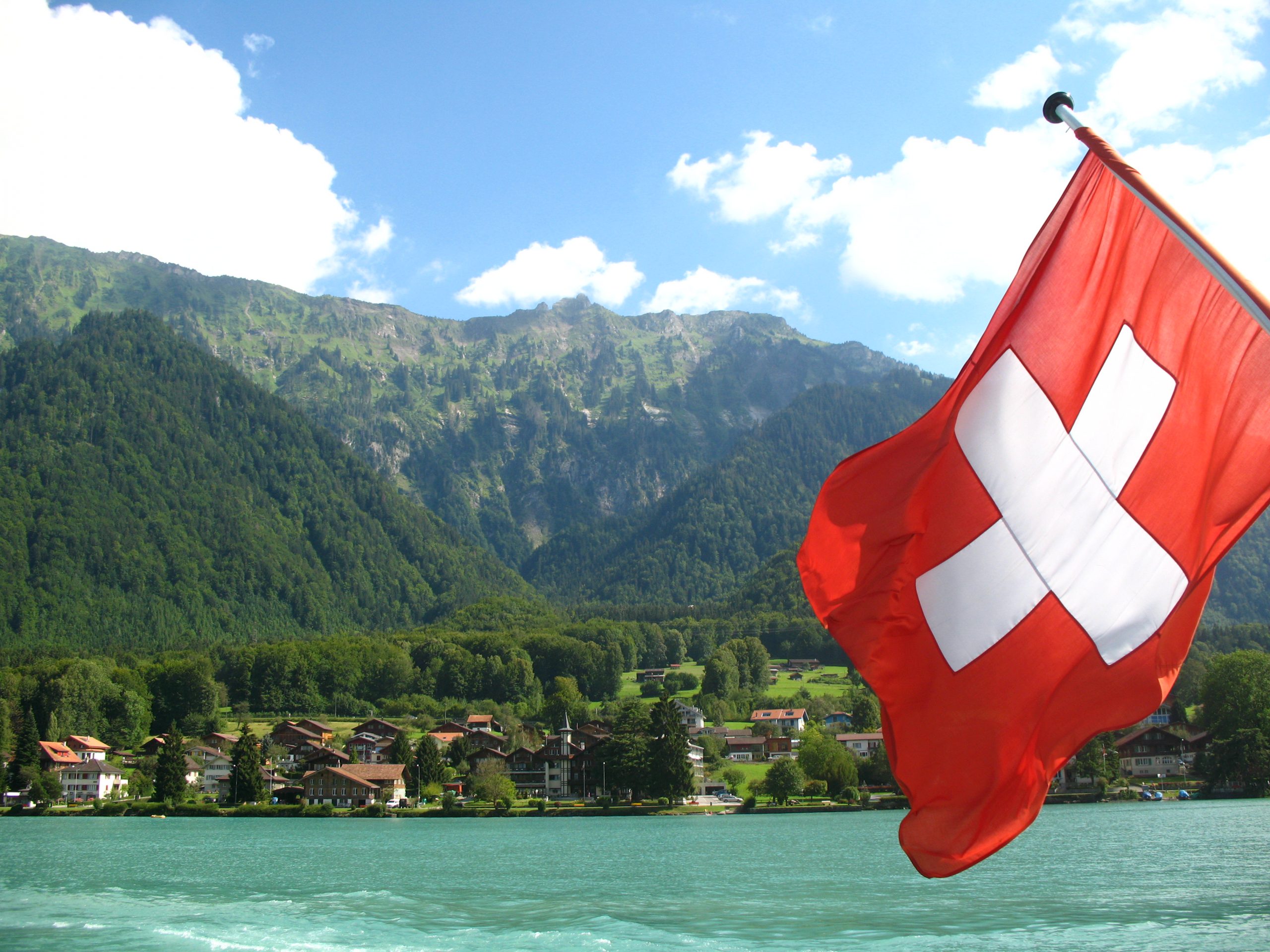
In response to the Iran war, the Swiss government has announced that it will no longer approve any new arms export licences to the United States.
The decision, taken during a Federal Council meeting on Friday, reflects Switzerland’s longstanding policy of neutrality and its obligations under the Federal Act on War Materiel (“This Act has as its aim the fulfilment of Switzerland’s international obligations and the respect of its foreign policy principles by means of controlling the manufacture and transfer of war materiel and related technology, while at the same time maintaining an industrial capacity in Switzerland that is adapted to the requirements of its national defence”).
In an official statement, the Swiss government postulated that “the export of war materiel to countries involved in the international armed conflict with Iran cannot be authorised for the duration of the conflict”.
The measure effectively targets the United States, given its involvement in the hostilities. However, Defence Minister Martin Pfister downplayed the likelihood of diplomatic repercussions from Washington. Speaking in Bern during a press conference on the 2026 Armed Forces Dispatch, he emphasized that Switzerland’s stance should come as no surprise. “The United States is well aware of the principles guiding Swiss foreign policy”, Pfister noted, referring to the country’s famously consistent adherence to neutrality.
Reactions within Switzerland itself have been mixed. The industry association Swissmem criticized the move as a “premature declaration of neutrality”, suggesting potential economic consequences. Left-wing Social Democratic Party argued that the measures do not go far enough, while the right-wing Swiss People’s Party maintained that the government had little alternative under the circumstances.
While new licences are suspended, previously approved exports will not be immediately halted. According to the government, existing licences remain valid. However, these transactions will now be subject to closer scrutiny.
A group of experts (comprising representatives from the ministries of economy, foreign affairs, and defence) has been tasked with regularly reviewing export activities to the United States. Their role will be to assess whether ongoing deliveries comply with Switzerland’s neutrality obligations and whether further restrictions are warranted.
The review will extend beyond traditional arms exports to include so-called dual-use goods (items that serve both civilian and military purposes) as well as specific military-related equipment such as training aircraft and simulators.
Additionally, authorities will examine exports indirectly affected by sanctions against Iran.
The government noted that a restrictive approach is already in place regarding Israel, and that similar caution will guide future decisions.
According to Evelyne Schmid, expert in international law at the University of Lausanne, Switzerland retains broad legal authority to tighten its position if necessary. In comments to Swiss public broadcaster SRF, she explained that existing export licences are not immutable.
“The legal framework allows authorities to revisit previously granted authorisations”, Schmid informed. “They may suspend or even revoke them if circumstances require”.
Therefore further measures remain possible should the conflict intensify.
Switzerland’s decision is not purely symbolic, but its immediate practical impact remains limited. In part, it formalizes a pause that was already in place, as no new export licences to the United States had been issued since the escalation of the conflict in late February, and existing licences are still valid. This gives the measure the appearance of a political signal, or a visible reaffirmation of Swiss neutrality, rather than an outright disruption of current trade.
However, the policy does carry real legal and strategic weight by blocking any future approvals, subjects ongoing exports (including dual-use goods and sensitive technologies) to active review, as well as preserving the government’s authority to suspend or revoke existing licences if circumstances worsen.
In this sense, it is best understood as a symbolic act with legal teeth: limited in its short-term effects, but designed to become materially consequential should the conflict intensify.
Reporters Without Borders asks Hungary’s opposition to support media freedom if it wins election
