











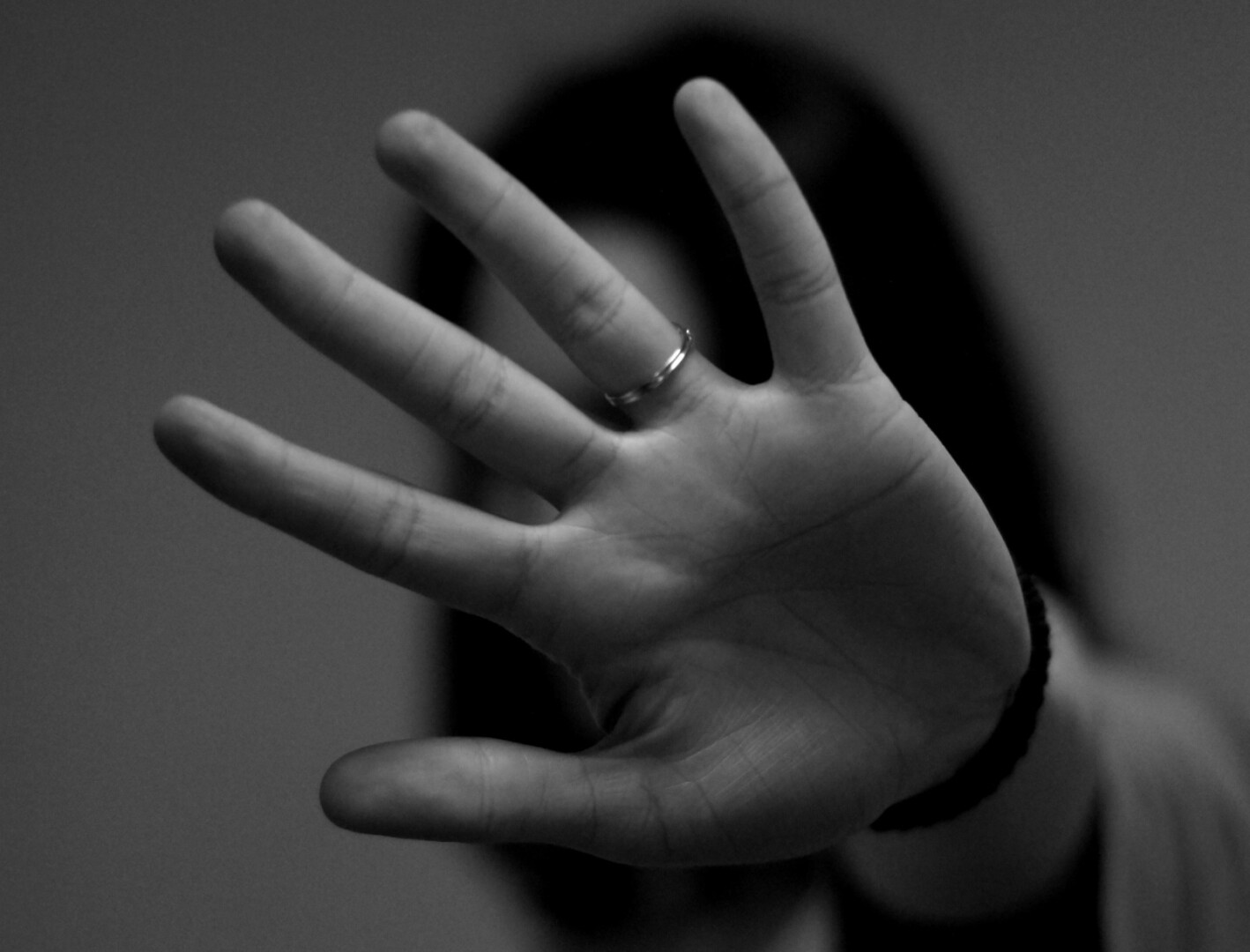
March marks Women’s History Month, a time to celebrate progress in gender equality — but also to confront the persistent injustices that remain. While women have fought for and won historic legal, social, and economic gains, domestic violence continues to thrive in the shadows, a global crisis that defies borders, cultures, and income levels. In 2025, we are at a point where we must summon up the will to stamp it out for good.
From the US to India, from France to Brazil, societies struggle to translate legal protections into real safety for victims. Laws against gender-based violence exist in many nations, yet enforcement is weak, social stigma discourages victims from speaking out, and economic dependency traps them in cycles of abuse. The persistence of domestic violence reveals deep systemic failures that transcend geography and governance models.
Armenia serves as a striking case study in this global phenomenon – with clear recognition of the challenge, specific circumstances that deepen the crisis, and middling efforts to address the problem so far.
The country has made significant legal and cultural strides toward gender equality. However, notes Lara Aharonian, founder of the Women’s Resource Center of Armenia, despite the 2017 passage of Armenia’s law against domestic violence, enforcement remains inadequate. “We only have two shelters for the whole country,” she says, highlighting a dire lack of resources for survivors. Beyond legislation, economic and social structures must evolve to offer true protection and empowerment to victims.
The scale of domestic violence in Armenia is alarming. In 2018 alone, 707 cases of domestic violence were officially recorded, including 673 cases of physical violence, 33 cases of psychological violence, and 1 case of economic violence. Over 440 of these cases involved husbands abusing their wives, yet more than half of all criminal cases (297 out of 519) were closed without resolution, exposing the failures of law enforcement and the judicial system. These numbers, moreover, only scratch the surface, as many victims remain silent due to fear of social stigma, distrust in authorities, and economic dependence on their abusers.
Despite legal progress, Armenia’s institutional response is still inadequate. Police issued 435 warning orders and 132 emergency intervention orders (EIOs) in domestic violence cases, but without strong follow-through, these interventions often fail to protect victims. As Ani Jilozian, Development Director of the Women’s Support Center, points out, “Trials can drag on for years, and victims often give up because they see no way out.” The judicial system’s deep-seated biases and slow processes discourage women from seeking justice.
Financial control remains a powerful tool for abusers worldwide. In Armenia, high unemployment rates and male labor migration leave many women economically dependent on their spouses, making it nearly impossible for them to leave abusive relationships. Similar patterns emerge in the United States, where financial abuse is present in 99% of domestic violence cases, and in developing nations where women frequently lack access to banking, property rights, and stable employment.
Winnet Vanadzor – a women and youth Development NGO led by Hripsimé Mirzoyan and Arevik Yeghiazaryan – has been addressing this crisis through economic empowerment programs. One notable success story involves a village woman who, with the organization’s support, was able to open her own hairdressing salon after previously having to work from clients’ homes. “The community recognized the value of her work and even provided a central space for her salon,” explains Mirzoyan. This transformation goes beyond financial independence—it challenges societal perceptions of women’s roles in economic development.
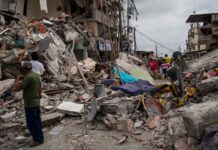
Meanwhile, the 2020 Nagorno-Karabakh war left deep scars on Armenian society, not only in terms of physical destruction but also in the form of heightened domestic violence, reflecting the fact that war exacerbates the conditions that fuel abuse — economic instability, post-traumatic stress disorder (PTSD) in returning combatants, and the displacement of families. It is a pattern that repeats itself across conflict zones: in Ukraine, Syria, and the post-war Balkans, domestic abuse surges as men struggle with PTSD, economic devastation increases women’s dependency, and displaced women become even more vulnerable to exploitation and violence. Yet, post-war reconstruction efforts rarely include protections for survivors, focusing instead on physical infrastructure while leaving the social fabric in tatters.
Domestic violence is often discussed in the context of heterosexual, cisgender women, but other vulnerable groups face even greater barriers to justice. Women with disabilities, LGBTQ+ individuals, and sex workers are among the most invisible victims of abuse in Armenia. The Agate Rights Defense Centre, founded by Zaruhi Batoyan, has been a rare voice advocating for women with disabilities, who often suffer from physical, psychological, and economic abuse at the hands of caregivers or family members. LGBTQ+ survivors, meanwhile, face additional layers of family rejection, police harassment, and hate crimes, with few if any legal protections. The murder of a trans woman last year, followed by public apathy and law enforcement inaction, was a chilling reminder that some victims are deemed unworthy of justice.
Awareness of domestic violence is growing, but change remains fragile. Schools play a crucial role in shaping attitudes toward gender roles, but many teachers still reinforce harmful stereotypes, and the judicial system remains plagued by gender biases. Aharonian also notes that TV series and movies still normalize violence and emphasizes the need for an integrated approach, including public education campaigns, school programs, and specialized training for law enforcement and judges. Without sustained efforts across multiple sectors, the fight against domestic violence risks losing momentum.
Technology is beginning to play a role in the fight against domestic violence in Armenia. One promising development is SAFE YOU, an app that allows women to discreetly seek help in cases of abuse. Through real-time GPS location sharing, the app connects them with emergency services and provides direct access to legal and psychological resources. Additionally, Armenia is set to implement electronic bracelets to track abusers, a long-overdue measure aimed at preventing repeat offenses. However, technical solutions alone will not be enough—political will, funding, and legal reform must accompany them.
The Armenian diaspora has historically rallied around issues of recognition of the Armenian Genocide and around the country’s national security, but gender violence remains absent from its activism. If the diaspora truly seeks to uplift Armenia, it must recognize that national progress is impossible without gender justice.
This Women’s History Month should be a call to action — not just a time for reflection. Domestic violence is not just a women’s issue; it is a societal crisis that demands a collective response. There are specific actions we should take. Like-minded women’s institutions around the world should unite efforts – and indeed visit Armenia and support local activists and organizations. And the UN’s 68th annual Commission on the Status of Women (CSW68), taking place March 11-22 in New York, should specifically address the issue of countries who have established frameworks but are slow in implementation.
The solutions are clear: governments must move beyond symbolic legislation and commit to real enforcement. Economic empowerment must be recognized as a key pillar of survivor protection. Men must step forward as active participants in dismantling gender-based violence. And the diaspora must leverage its influence to prioritize gender rights as a matter of national development.
Armenia has an incredible opportunity to be a world leader in addressing sexual violence and domestic abuse. The question is not whether these changes are possible. The question is whether we, as a global society, have the collective will to make them happen.
_______________________
Layla Khamlichi Riou is a French journalist based in Yerevan, Armenia, working with “Le Courrier d’Erevan”.
