














You may have noticed the Titanic becoming a hot topic once more in the past few days – this time around, on the internet.
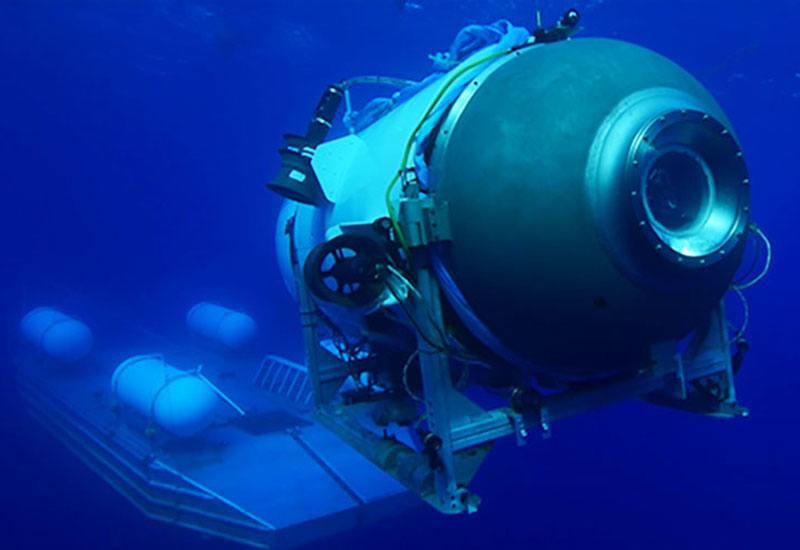
A fascinating topic, with something of a cult following, the Titanic wreck is morbidly tantalizing because, among other reasons, it is impossible to access. Now, however, OceanGate Expeditions have offered eight-day missions allowing passengers to explore the Titanic with five-seat carbon fibre and titanium underwater vessels (for no less than 250,000$), reports CNN.
These first OceanGate expeditions, in 2021 and 2022, were successfully completed. But on Monday, June 19, the US Coast Guard launched a search and rescue mission for a vessel that lost contact on June 18, Sunday.
Neither GPS nor radio work underwater.
Professor and maritime historian Sal Mercogliano has confirmed that the submersible in question does not need to conform to safety regulations as it operates in the anarchical zone of international waters.
On Tuesday, repeated banging was detected coming from the craft – though it is possible that these were mistakenly identified noises.
Although calculations suggest Titan’s 96-hour supply of breathable air will soon run out, experts have stressed that it is an imprecise estimate and could be extended if passengers have taken measures to conserve breathable air, reports The Guardian. Furthermore, carbon dioxide may build up, acting as a sedative.
There is no escape pod, and thus the vessel must reach the water’s surface and be opened from the outside.
Rescuers have rushed more ships and vessels to the site of the disappearance. The prognosis is sobering: as with any search mission, chances of success become slimmer the more time passes from the disappearance itself.
There are five people on board.
As we speak, more boats and underwater vehicles are joining the search, as the search enters a critical phase, reports the BBC.
New high-tech scans of Titanic reawaken feelings of tragic loss
