











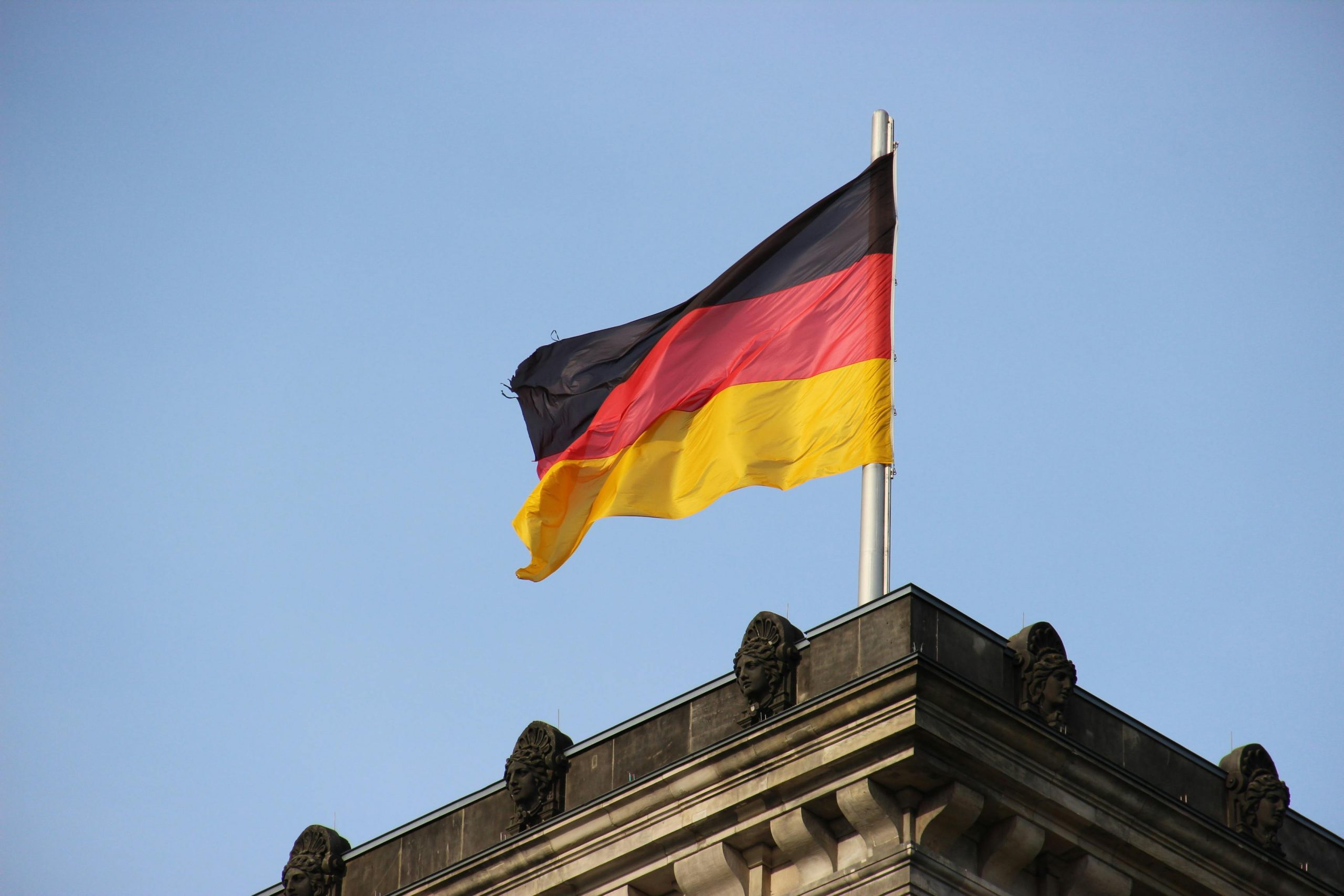
Germany has publicly announced a plan to reinforce the Bundeswehr (German armed forces) on its main task: defending Germany and its NATO allies.
Military strategy, force structure, capabilities, reserves, and personnel growth are being systematically aligned with the evolving threat environment.
This strategic and very public shift underscores Germany’s intention to assume a leading role within the NATO.
The new foundational strategic documents highlight Germany’s expanded security role and outline how the Bundeswehr is to adapt to current and future challenges.
At the center of the reform is a newly developed “Comprehensive Concept for Military Defence,” which integrates Germany’s first formal military strategy with a detailed capability profile for the armed forces. This framework defines the objectives, means, and methods through which Germany would respond to security threats. The strategy identifies a broad and evolving threat landscape, including activities by states such as Russia that operate below the threshold of open warfare.
Interestingly, it warns of the “blurring boundaries of war,” requiring Germany to prepare for hybrid and unconventional forms of conflict that affect society as a whole.
Germany, hoping to develop into the strongest conventional military force in Europe, is expected to assume greater responsibility for European security, including increased burden-sharing and a stronger conventional deterrence posture.
Defence Minister Boris Pistorius has initiated a major overhaul of the reserve forces.The “New Reserve” is to be significantly expanded and more closely integrated with active forces. Rather than functioning as a supplementary element, it will become an integral component of the armed forces, capable of supporting operations across the full spectrum—from territorial protection and security tasks to active combat roles.
Furher, a key pillar of the reform is a substantial increase in personnel. The Bundeswehr plans to grow from approximately 186,000 active soldiers today to at least 260,000 by the mid-2030s. At the same time, the reserve force is set to expand from around 70,000 to a minimum of 200,000 personnel.
This expansion is anchored in legislation, following the entry into force of the Wehrdienst Modernisation Act on 1 January 2026, which establishes binding targets and timelines for troop growth.
The build-up will take place in three phases:
- Phase 1 (until 2029): Rapid increase in readiness and immediate defence capabilities
- Phase 2 (until 2035): Comprehensive capability expansion across all domains—land, air, sea, cyber, and space—aligned with NATO and national targets
- Phase 3 (post-2039): Development of technologically superior armed forces
By the end of the second phase, Germany aims to field at least 460,000 combat-ready personnel, combining active troops and reservists.
Civilian personnel within the defence sector will also expand in line with military requirements, though growth will be strictly needs-based and focused on supporting operational effectiveness.
Alongside military expansion, the German government is pursuing administrative reform through the EMA26 agenda, approved in March 2026 by Defence Minister Boris Pistorius. This initiative comprises 153 measures and around 580 specific steps aimed at reducing bureaucracy, accelerating modernisation, and enhancing efficiency.
The program seeks to free up resources needed for force expansion by eliminating unnecessary administrative burdens. Tasks not directly related to defence will be reassessed, streamlined, or removed. Internal regulations will be reduced, reporting requirements simplified, and redundant procedures abolished.
Training programs will promote less bureaucratic thinking, apparently, while senior officials will be subject to mandatory 360-degree evaluations.
Digitalisation plays a key role in the reform agenda. Administrative processes will increasingly move into digital workflows, supported by automation and artificial intelligence. Tools such as a digital “Bw-Wallet” and centralised applications are intended to streamline daily operations, while secure AI systems will assist with tasks such as document analysis and drafting.
