













Uncertainty about the outcome of the Iran conflict is influencing the energy markets. Brent Oil futures prices reached around 120 USD per barrel, then corrected heavily. The situation is volatile, the Hormuz Strait access is restricted and investors are wondering how this whole situation will impact financial markets and global economies. And inflation is starting to regain its place in the markets’ narrative, writes eToro analyst for Romania, Bogdan Maioreanu.
This time, however, inflation is not driven by the feared Trump tariff effects, but rather it is the rising oil prices that are driving nervousness in the energy markets. The situation in the Middle East remains tense, keeping the energy issue front and center. A short-term oil shock would still be manageable at a global level. However, if it were to evolve into a prolonged energy crisis, concerns about stagflation would increase significantly. Especially in Romania where this crisis came in one of the worst possible times, as the country is battling a technical recession, high inflation and is trying to keep its excessive budgetary deficit under control.
The oil situation is extremely volatile and futures markets reacted, swinging wildly on Monday, as prices whipped between USD$85 and north of USD$120 before pulling back sharply after Trump signaled the conflict with Iran could be nearing its end. A single comment from the US president was enough to reverse billions of dollars in losses in a matter of hours. But Trump has since tempered expectations, saying he doesn’t believe the conflict will be over this week. Tehran hasn’t responded.
As the Strait of Hormuz remains heavily disrupted, Saudi Arabia has begun cutting oil production, Bloomberg reported Monday, after previously announced output reductions by the United Arab Emirates, Kuwait, and Iraq. Saudi Arabia produces roughly 10 million barrels of oil per day and exports about 7 million barrels daily. While Aramco has rerouted some shipments through its pipeline to the Yanbu port on the Red Sea to bypass Hormuz, the pipeline does not have sufficient capacity to fully offset the lost export volumes.
The steep rise in oil prices has made Natural Gas prices follow suit. The Dutch Natural Gas futures with April delivery date intraday reached almost 69 EUR per MW but then corrected significantly. So far the Natural Gas prices are in backwardation – the current prices are higher than the ones in the future. The data is showing that contract price with delivery in December 2026 will stay high, at around 45 EUR per MW, but on February 27th this year, the price of natural gas was 32 EUR per MW. If we look at Europe’s deposit filling rate after a hard winter, these are over 29% full. Romania is at 31%, the lowest fill rate being in the Netherlands (9%) and Croatia (10%), while the highest are in Portugal (76%), Spain (51%), Poland (49%) and Italy (46%). While the spring and summer will decrease consumption, a prolonged conflict in the Middle East will likely force some countries to buy natural gas at higher prices, impacting inflation.
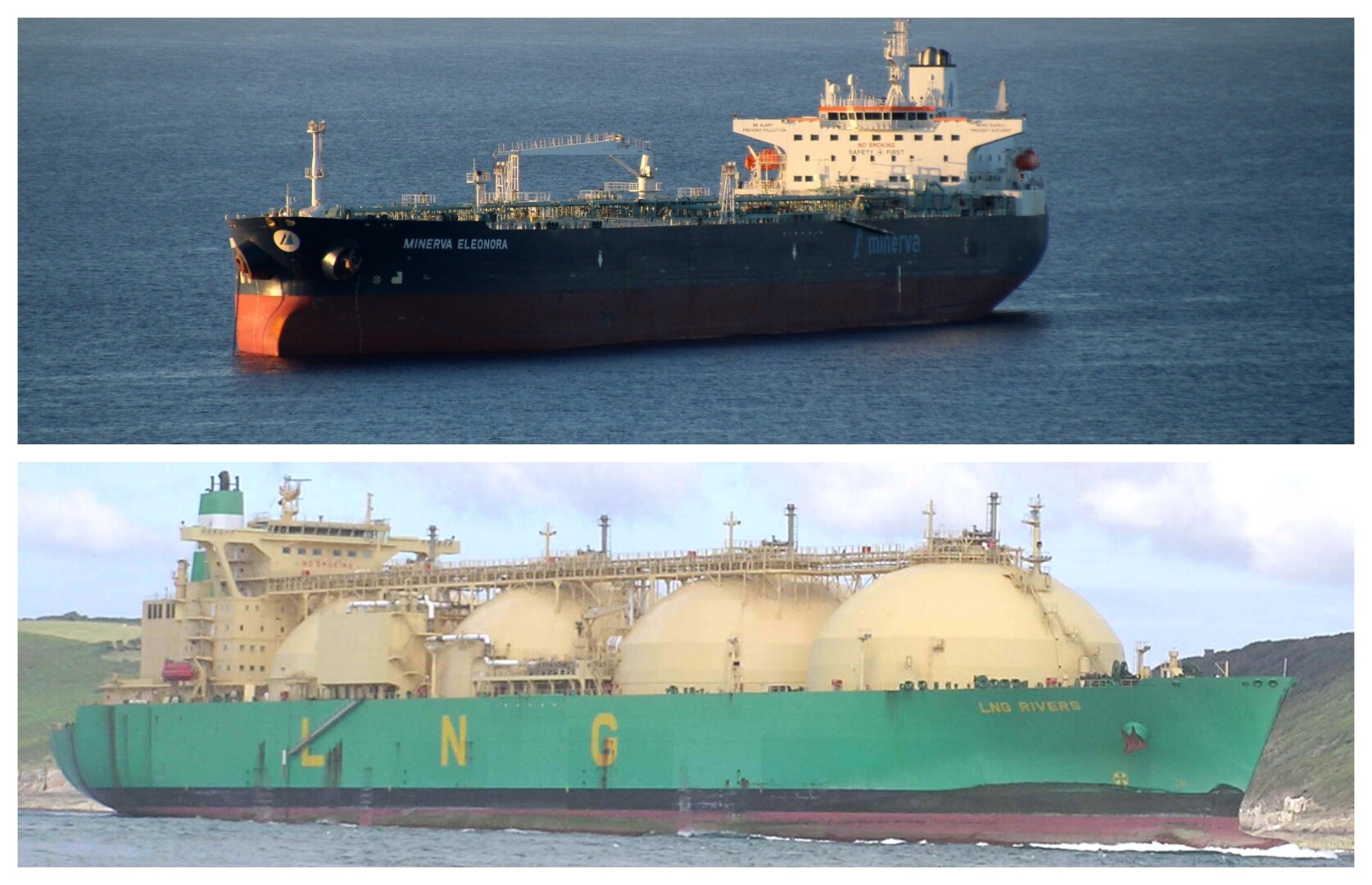
In order to prevent a global oil shortage, the G7 has signaled it stands ready to release strategic oil reserves if needed. Markets are currently treating this oil shock as temporary rather than structural, and that is an important distinction for investors. This situation shows that the issue is becoming increasingly logistical rather than purely geopolitical. Energy analysts estimate that there are roughly 2–2.5 million barrels per day of production disruptions, with the potential for more than 4 million barrels per day if storage limits are reached. Tanker availability has also collapsed, with roughly 14 very large crude carriers currently operating in the Gulf compared with about 64 before the escalation, sharply limiting export capacity. For investors, this reinforces one key point: markets are starting to trade energy supply risk.
Current volatility in the financial markets might make investors watching from the sidelines nervous about buying into these dips right now, and that’s understandable. In a selloff like this, we could see dip buyers stepping in aggressively, but the appetite for that might be more cautious this time around given just how quickly the outlook can shift. Markets are going to remain volatile and reactive to every development in the Middle East over the coming days and weeks.
Oil soars 25%, gold drops as Iran war unnerves global commodity markets
