











Romania is one step closer to its goal of joining the OECD, a global organization that groups dozens of countries with solid economies and a commitment to democratic rules sustainable development.
A government official said Romania, which began accession reports in 2022, had made progress in protecting the environment and public health, in managing chemical substances, and the responsible use of biotechnologies.
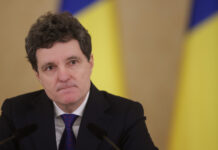
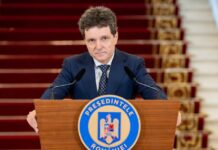
State secretary Luca Niculescu, coordinator for the OECD accession process, said Bucharest had ticked off the 18th out of 25 requirements, after an approval by the Chemicals and Biotechnology Committee.
“The year begins with good news for Romania’s path toward the OECD: we have received the 18th Formal Opinion,” Niculescu said on Facebook.
The OECD currently has 38 member countries, mainly prosperous economies working towards economic growth, prosperity, and sustainable development.
Niculescu said it was the result of several institutions cooperating for clearer rules, more effective controls, and better prevention of environmental risks, including combating illegal trade in pesticides.
In January 2022, the OECD Council opened accession talks with Argentina, Brazil, Bulgaria, Croatia, Peru, and Romania. The roadmap for Romania’s accession was adopted at the June 2022 OECD ministerial meeting, along with four other candidates.
During the OECD accession process, Romania is evaluated by 25 sectoral committees and must internalize more than 270 OECD legal instruments at the level of legislation, policies, and internal practices,
Individual roadmaps for accession states were adopted in 2022, progressing towards potential full membership by aligning their policies with OECD standards, a process involving in-depth technical reviews by various committees.
Being an OECD member can help governments create better policies and promote sustainable economic growth. It fosters global cooperation through shared data in areas like finance, health, education, employment, and the environment.
It can increase investor confidence and access to global best practices for tackling challenges like climate change, digitalization, and inequality.
Hungarian media: ‘Billions of EU money flowing to Romania from Brussels’. “Something happened”
