














I felt this way about every one of Yorgos Lanthimos’ films. I started seeing them as an undergrad in London, going to London’s picture houses, all of which seemed like sets of his films – theatrical, humorous, but also regal, imperious, yet never hammy. I saw The Lobster in the Piccadilly Picturehouse, a gorgeous old place where something terrible might happen to, and found it hard to recover afterwards at lunch. I saw The Killing of the Sacred Deer in the Russell Square Curzon and clung to the arms of my seat in the abyssal darkness. And so, on and so on.
When I saw The Favourite in a packed Oxford cinema, I noticed a savoury effect of his cinema – which is that you never know what you should or shouldn’t be laughing at, and second-guess yourself in a cinema full of people.
Barely into the year, Poor Creatures has turned the cinema inside-out. In an ingenuous reinvention of Frankenstein, incredibly picturesque Willem Dafoe (Godwin Baxter alias “God”) replaces a woman’s brain with that of her own fetus in a final attempt to save her – this is Bella Baxter, played by Emma Stone in her best performance to date.
This is an entirely remarkable film – from the plot to the cast o the costumes to the scenery. Stone is absolutely expressive and truly leaves not a shadow of a doubt that she is a truly versatile actress, father Dafoe is brilliantly hilarious, and Marc Ruffalo as Stone’s lover, Duncan, shows just enough veracity and genuine basis under his buffoonery to be undeniably compelling.
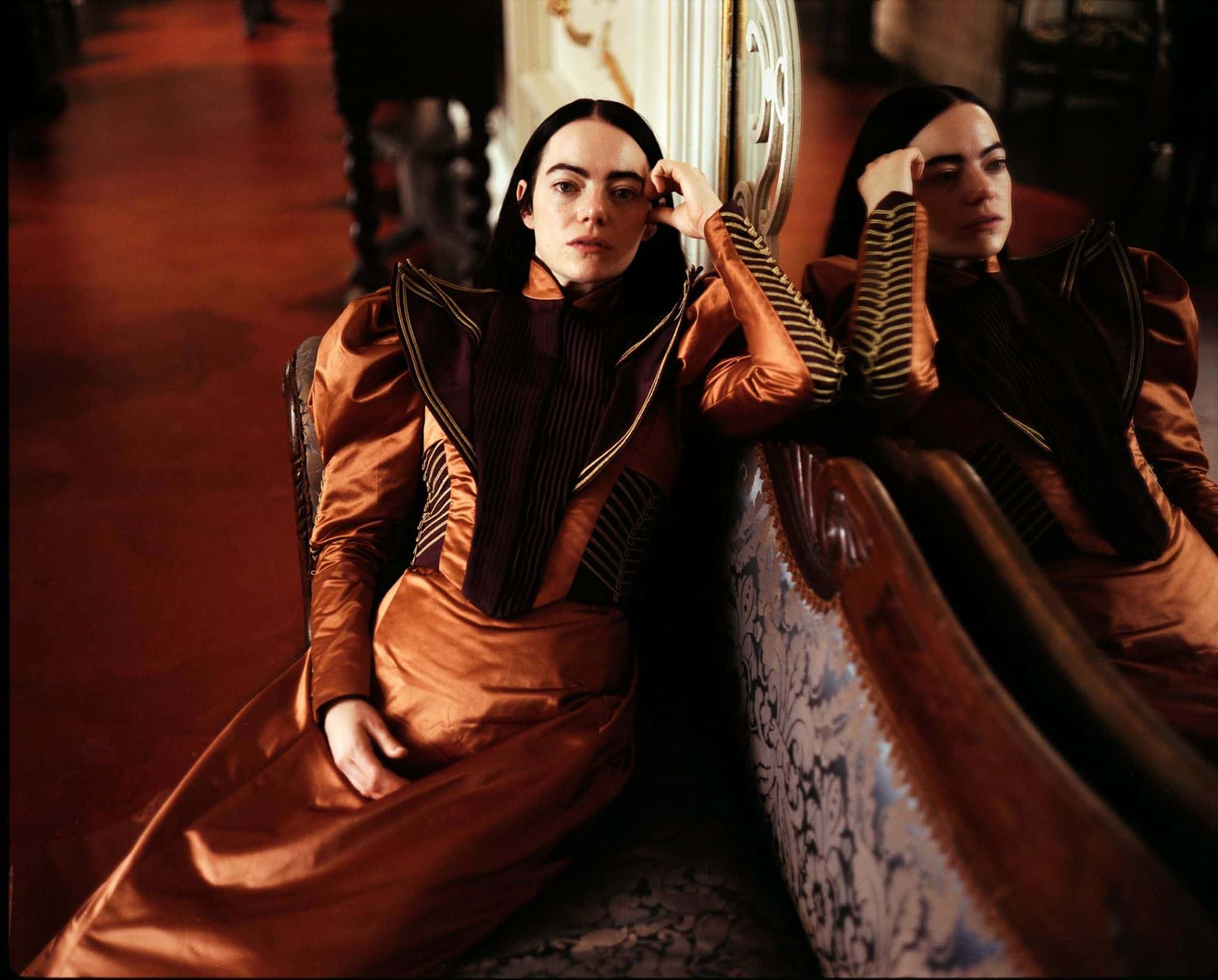
It’s worth it to see the film just for its cinematographic qualities – the fish-eye and wide-angle lens which have been previously used by Lanthimos in The Favourite, and the costumes are entirely exquisite, whimsical and with an understanding of the era’s spirit, but also rife with symbolism (thanks to Holly Waddington). The sets themselves I liked less – though they seemed to be a hit in th general consensus – for I felt they didn’t bridge the gap between artifice and credibility, and I would have perhaps preferred to see the Glasgow so beloved by Alasdair Grey, who wrote the book the film is based on. But it was in in itself a brilliant idea to adapt the book and, yes, to do so in the way that Lanthimos did, to make the decisions he did – even if jokes which are deliberately on the nose – If anything, lacking in subtlety, and proudly so. If anything, it tripped up on itself when grappling with themes of feminism and socialism, with the tone uncertain of its own irony or lack therefore. Nevertheless, the director himself says: “If I wanted to talk about politics or social problems I’d become a writer. But I’m a film-maker and that’s all I can do.” Yet one does feel that the genius idea behind the script was not explored as deeply as it might have been, but it does compensate in an ensemble vision. In any case, Poor Creatures owns up to its being filthy in every way (full of what protagonist Bella refers to as “furious jumping”). It’s bawdy, hilarious, and highly original as a period piece that would host such a context without problematizing it. And the colors – oh, they’re just exquisite.
This director&actress pairing did not disappoint and I’m very much looking forward to seeing their soon-to-be-released third movie together – Kind of Kindness, a contemporary film set in the US. And Dafoe, of course.
