











Lawmakers voted 227-0, with no abstentions, to approve Cabinet’s departure
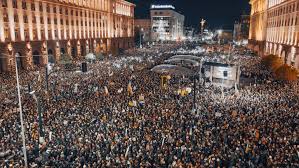
Bulgaria’s Parliament on Friday voted unanimously to accept the resignation of Prime Minister Rosen Zhelyazkov’s government after weeks of mass protests, raising the likelihood of snap elections.
Lawmakers voted 227-0, with no abstentions, to approve the motion, the Bulgarian News Agency (BTA) reported.
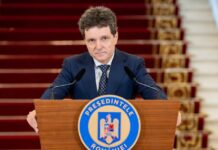
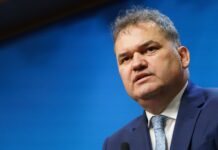
Zhelyazkov announced his resignation at a news conference on Thursday, minutes before parliament was due to debate a no-confidence motion tabled by the Continue the Change-Democratic Bulgaria alliance, MECh, and the Alliance for Rights and Freedoms.
The decision comes just three weeks before the Black Sea nation of 6.7 million people is due to join the euro zone on January 1.
The no-confidence motion was still put to a vote but failed due to too few votes. It needed to be approved by at least 121 members of the 240-seat legislature.
Bulgaria has been gripped by large-scale anti-government protests since late November initially sparked by the government’s controversial budget proposals and then tapping into wider public anger over alleged corruption, injustice and governance failures.
Addressing the situation, Zhelyazkov said he believed the ruling would survive the no-confidence vote but stressed respect for public sentiment.
“The fountain of power is the sovereign and the voice of the people,” he said, adding that the government sought to meet society’s expectations.
Zhelyazkov became president in mid-January 2025.
President Rumen Radev will call on the biggest party, GERB, to form a new government. However its leader, Boyko Borissov, has indicated it will turn down the mandate.
If this is the case, the president can appoint an interim administration and call a snap election. Bulgaria, a NATO and the European Union member, has held seven national elections in the past four years as successive governments failed to keep control of a fractured parliament.
