















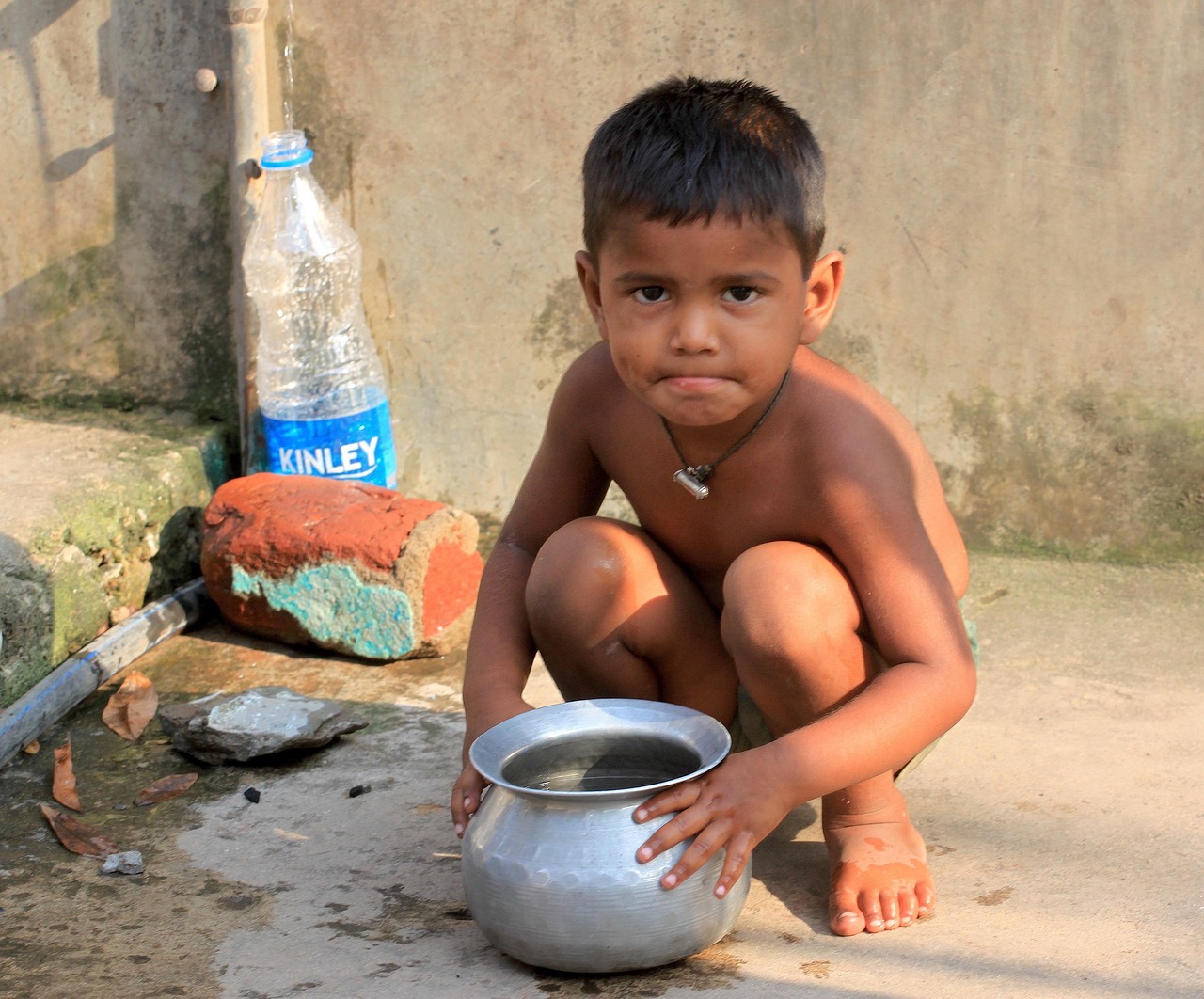
October 16 marks World Food Day, a day dedicated to tackling global hunger and food waste.
It was established by the Food and Agriculture Organization (FAO) of the United Nations in 1945 to raise awareness about hunger and promote sustainable food systems.
Currently, 150 countries mark the day with events that focus on issues food insecurity, sustainable diets, and reducing waste.
In Romania, some 2.5 million tons of food is thrown away every year. Household and restaurant waste is caused by a lack of shopping planning, improper storage, and misinterpretation of the shelf life.
According to some statistics, in households six out of ten foods end up in the trash can, according to HORECA, the Romanian food service and hotel industries organization, about three in ten food and beverage products end up as waste and one in ten ends up in the trash in the retail business.
Universul.net interviewed Camelia-Adriana Bucătariu, an international consultant in policies against food waste and on Thursday we are publishing in both English and Romanian the first of a three-part series on food waste and global hunger.
Food waste refers to food and drink that are produced, but do not end up being consumed for various reasons. Every day, huge amounts of food are thrown away: bread, vegetables, fruits, meat – all of which are obtained with effort and important resources that are not infinite. It is a global problem, with multiple effects: economic, social and ecological.
Every year, almost one third of the food produced for human consumption is lost or thrown away, which equates to hundreds of millions of tons of wasted food.
This problem is not limited to moral or social aspects, but has significant economic and environmental consequences: from unnecessary expenditure on production and transport, to greenhouse gas emissions from the storage and breakdown of food.
Therefore, beyond the financial costs, food waste affects the environment, consuming natural resources and contributing to pollution. Food thrown away degrades and releases methane, a greenhouse gas 28 times more potent than CO2.
Experts insist that food losses occur in all phases: production, handling and storage, processing and packaging, distribution and sale in stores, and consumption.
In agriculture and the food industry, waste occurs as a result of uncollected harvesting, strict trade standards on the appearance of products or logistical problems. According to the Food and Agriculture Organization, 50% of the planet’s habitable land is used for agriculture, even if some of the food is not consumed.
In the EU, more than 59 million tonnes of food are wasted annually, which means 132 kg per person, with an economic impact of €132 billion. At the same time, more than 42 million people cannot afford a decent meal every other day.
In comments made to Universul.net, Camelia-Adriana Bucătariu, went into the details of this phenomenon.
- Universul.net: Why is food waste a global problem?
Camelia – Adriana Bucătariu: Food waste is a global problem, as it simultaneously affects the economy, the environment and food security. Worldwide, it is estimated that around a third of all food produced for human consumption is lost or wasted along the food chain – from production to final consumption. This means not only the loss of natural resources used to produce food (water, soil, energy, labor), but also significant greenhouse gas emissions, which contribute to climate change. At the same time, millions of people continue to suffer from hunger and malnutrition. In the context of the circular economy and Sustainable Development Goal 12.3, reducing food waste is a strategic priority: it means using resources more efficiently, reducing pressure on ecosystems and supporting a transition to sustainable and resilient food systems.
The European Union treats food waste as a major priority under the European Green Deal and the Farm to Fork Strategy, aiming to achieve Sustainable Development Goal 12.3 by 2030 – halving per capita food waste among consumers and traders and reducing losses along the food chain. The European Commission has developed a common methodology for measuring food waste, created the EU Platform on Food Loss and Waste, and proposed binding reduction targets for Member States. Initiatives include clarifying the legislative framework for food donation, the use of non-marketable products in animal feed, promoting a better understanding of labelling (‘best before’, ‘expires at’) and financial support for projects and research on food waste prevention through the Horizon Europe and Single Market Programme.
- What are the main causes of food waste?
The causes of food losses (supply side – i.e. from production to wholesale level) can be actor-specific or systemic in nature: crop damage due to insects or rodents; adverse or extreme weather conditions (e.g. droughts, floods, hurricanes, high temperatures, frost, excessive humidity); spills and damage caused by equipment failures (e.g. non-functioning cold stores) or inefficiencies during harvesting, drying, grinding, transport, as well as major deficiencies in public road infrastructure; downgrading products based on aesthetic standards; lack of information on available solutions and cost-benefit analyses needed to drive action, investment, access to finance and technologies.
Causes of food waste (the demand side – i.e. from retail to households) can include: low quality or misestimates of quantities purchased for household use; inefficiencies in catering services; lack of awareness of food waste (e.g. volume generated, associated financial losses, inappropriate portion sizes and strategies to reduce waste); overburdened waste management systems, which face difficulties in sorting, collecting and making the best use of unavoidable food waste (e.g. composting, biogas).
Best-before marking on food products (‘best by’ and ‘best before’) plays a key role in preventing food waste in the European Union. Consumers’ misinterpretation of these claims contributes significantly to food waste in households — up to 10% of all waste in the EU is related to mislabelling or misunderstanding of markings (European Commission, 2018). To address this issue, the Commission has carried out market research and behavioural studies, including a pan-European study (Flash Eurobarometer 425) and a consumer segment analysis launched in 2024, which identifies three types of profiles based on the level of understanding and attitude towards expiry dates. The results will support Member States and private actors to tailor information campaigns and interventions specific to each consumer group. Studies have shown the need for clear, consistent and justified use of ‘use by’ and ‘best before’ data, as well as for Guidance to reduce avoidable food waste throughout the European food chain.
For consumers, poor planning/too large portions, confusion at “Best by” vs. “Best before” labels, trade standards and inefficient chain operations.
- How big is the problem at EU level?
In the European Union, more than 59 million tons of food waste are generated annually (equivalent to 132 kg per capita), with an estimated market value of €132 billion (Eurostat, 2024; SWD, 2023). At the same time, more than 42 million people cannot afford a quality meal every other day (Eurostat, 2023). Globally, about a third of food produced for human consumption is lost or wasted (FAO, 2011), and 14% is lost between harvest and distribution (FAO, 2019). In the EU, households contribute 54% of total waste (72 kg/inhabitant), followed by the food industry (19%), restaurants and food services (11%), trade (8%) and primary production (8%). On a global scale, 1.05 billion tons of food was wasted in 2022 (UNEP, 2024). Food waste has major economic, social and environmental consequences, generating around 16% of greenhouse gas emissions from the EU’s food system. Reducing loss and waste directly contributes to achieving SDG 12.3, combating climate change, saving money for producers and consumers, and redistributing food to people in need.
- What are the associated financial costs?
The financial costs of food waste in the European Union are estimated at around €132 billion annually, including direct losses for producers, traders and households, as well as indirect costs related to waste management, loss of natural resources and climate impact. In households, food waste represents an average loss of €400–600 per family per year, and at the systemic level it contributes to around 16% of greenhouse gas emissions from the European food system. These economic losses reflect structural inefficiencies along the food chain and justify investments in prevention and circularity measures to reduce waste and optimize resources.
In the following material you will find out how food waste starts in the mind, not in the refrigerator.
Romanians are big eaters and food wasters while MILLIONS go hungry
