











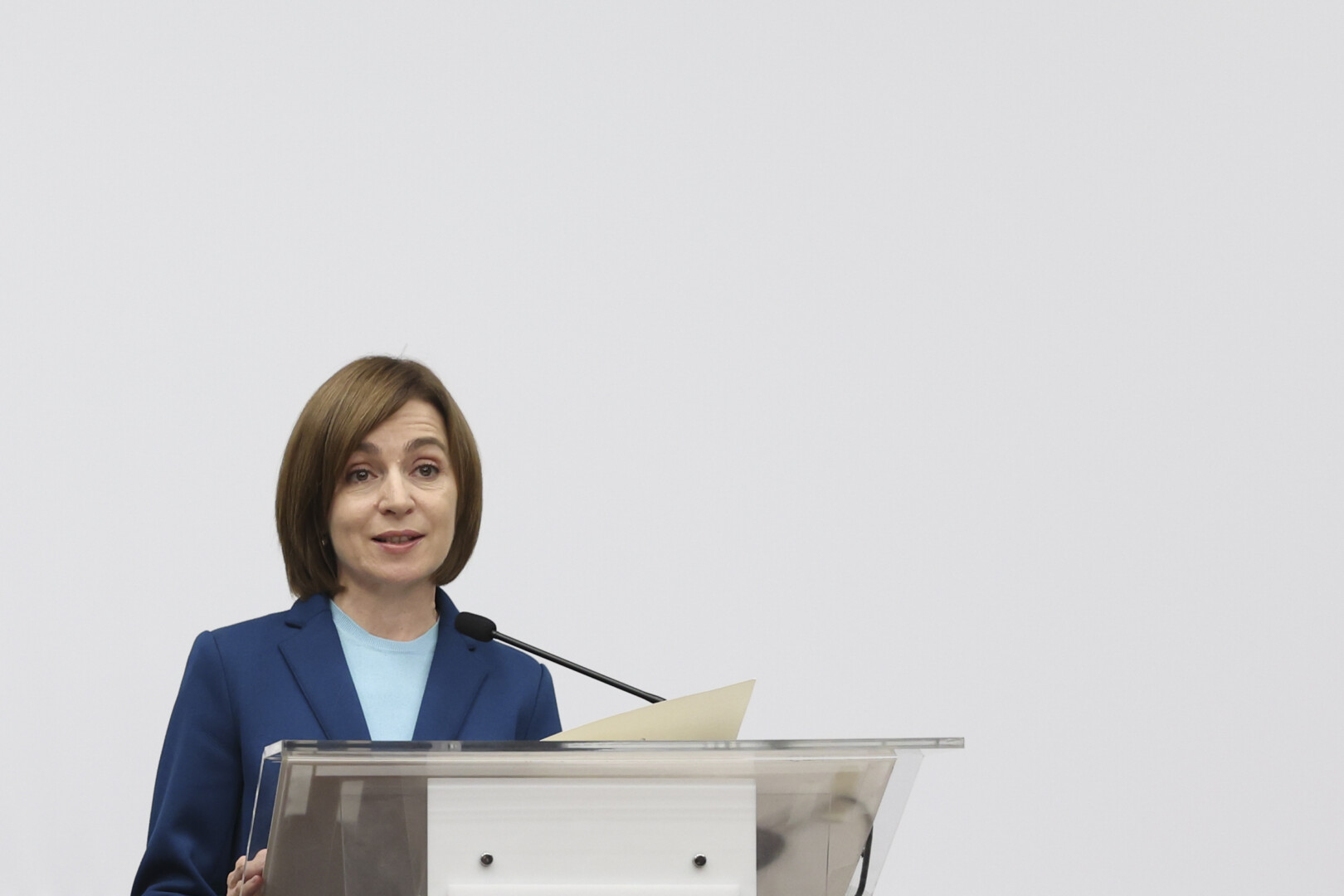
According to the Ukrainian state news agency Ukrinform, Moldovan President Maia Sandu said that discussions are ongoing with international partners, including the European Union, about possible approaches to the reintegration of Transnistria.
Transnistria, a breakaway region along Moldova’s eastern border effectively surviving on Russian funding, has been outside the control of the central government since the early 1990s, with Russian troops still stationed there.
Maia Sandu stated that participants in these discussions broadly agree that any future process would likely involve elements such as demilitarization, reducing the influence of oligarchic structures, and democratization.
Sandu emphasized that international support is essential for this aspiration to come true, and noted that this is a key topic in current talks with the EU.
Indeed, the European Union, under proposals associated with foreign policy chief Kaja Kallas, has outlined a broader framework for regional security that includes the potential withdrawal of Russian forces from several countries, alongside other measures such as arms reductions and reparations. The proposal remains part of ongoing discussions and has not been implemented.
Commenting on Ukraine’s role, Sandu said that Ukraine’s efforts to keep Russian military forces away from Moldova’s borders contribute to the conditions for pursuing a peaceful settlement.
At the same press conference, Ukrainian President Zelensky said that the presence of Russian troops in Transnistria remains a significant factor affecting Moldova’s security and development. He reiterated Ukraine’s support for Moldova’s sovereignty and territorial integrity and referred to previous Ukrainian offers of energy assistance as an alternative to Russian supplies.
Zelensky also stated that decisions regarding any international arrangements for Transnistria fall under Moldova’s authority, while noting that the issue is closely tied to Ukraine’s own border security concerns.
According to Ukrinform, Zelenskyy further expressed skepticism about Russia’s role in any future international mechanism, arguing that its current presence in the region complicates prospects for normalizing the situation.
Beyond official statements, this feels like aspirational diplomacy at best and a “when pigs fly” proposition at worst: entirely contingent on a chain of developments that are nowhere in sight. As long as Russian troops remain in Transnistria, the war in Ukraine continues to define the regional security environment, entrenched local power structures resist dismantling, and international alignment lacks the leverage to enforce change, things will not change in Transnistria anytime soon.
