











A Moldovan security official on Sunday accused Russia “massive interference” as the country voted in a close presidential election that could see Moscow regain influence in a country moving closer to the European Union.
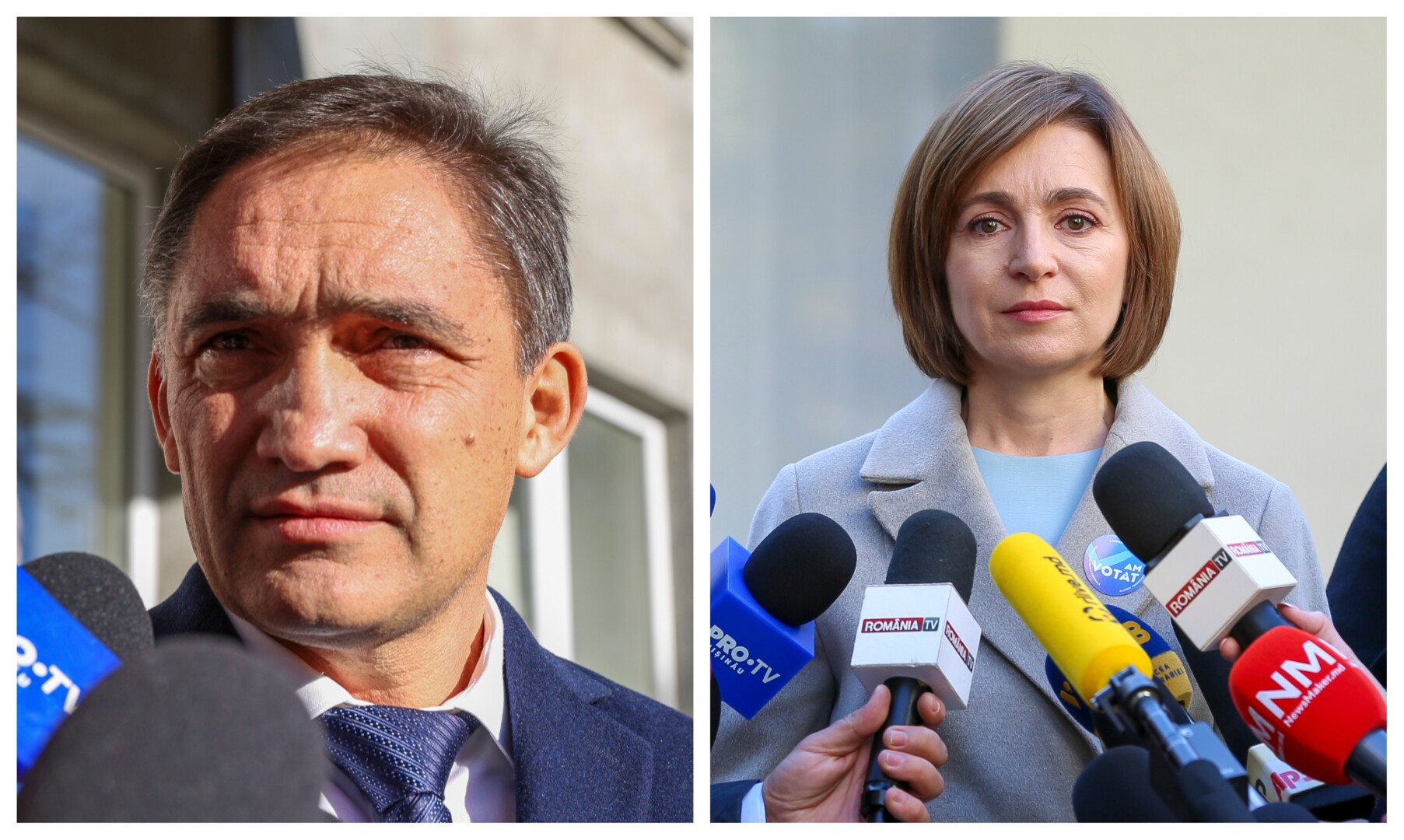
Pro-Western incumbent Maia Sandu, who has accelerated the ex-Soviet republic’s push to leave Moscow’s orbit and join the EU is running against Alexandr Stoianoglo, an ex-prosecutor general backed by the traditionally pro-Russian Socialist Party, who seeks closer ties with the Kremlin.
“We’re seeing massive interference by Russia in our electoral process … an effort with high potential to distort the outcome,” Ms.Sandu’s national security adviser Stanislav Secrieru wrote on X.
We’re seeing massive interference by Russia in our electoral process as Moldovans vote in the presidential runoff today—an effort with high potential to distort the outcome. Authorities are on high alert. Thread with instances of meddling, which I'll be updating in real time ⬇️
— Stanislav Secrieru (@StasSecrieru) November 3, 2024
The race is being closely watched in Brussels a week after Georgia, also a former Sovier republic seeking EU membership, re-elected a ruling party regarded in the West as increasingly pro-Russian.
Moldova has been under renewed pressure since Russia in 2022 began its full-scale invasion of neighboring Ukraine.
There was no immediate comment from Moscow, which has repeatedly denied past allegations of meddling. Moldova has accused Ilan Shor, a fugitive oligarch living in Russia, of spending millions of dollars to pay off voters to oppose Ms Sandu. He denies wrongdoing.
Stoianoglo says he supports EU integration, but also wants to develop ties with Russia in the national interest. He wants to renegotiate cheap Russian gas supplies and said he would meet with President Vladimir Putin if Moldovans wanted it.
His East-West balancing rhetoric contrasts with Ms Sandu’s four years in power, during which ties with the Kremlin have disintegrated. Moscow’s diplomats have been expelled during her term and she has condemned Russia’s invasion of Ukraine.
Moscow calls her government “Russophobic”.
Sandu portrays Stoianoglo as the Kremlin’s man and a political Trojan horse, painting Sunday’s vote as a choice between a bright future in the EU by 2030 and one of uncertainty and instability.
Stoianoglo accuses Sandu of divisive politics in a country that has a Romanian-speaking majority and large Russian-speaking minority.
Polling stations close at 9 p.m. (1900 GMT).
Security official Secrieru cited reports of Moldovans being transported to vote in an organized and illegal way from Moldova’s pro-Moscow breakaway region of Transnistria where Russia has soldiers stationed as peacekeepers.
Sandu has said the meddling affected the first round on Oct. 20 and that Shor sought to buy the votes of 300,000 people, more than 10% of the population.
Moldovans living in the West are typically pro-European and more likely to support Sandu, who has championed Moldova’s effort to join the 27-nation bloc by 2030.
The EU referendum delivered a knife-edge win of 50.35% for the pro-EU camp. Ms Sandu won 42% of the vote in the first round. Stoianoglo came second with 26%.
