















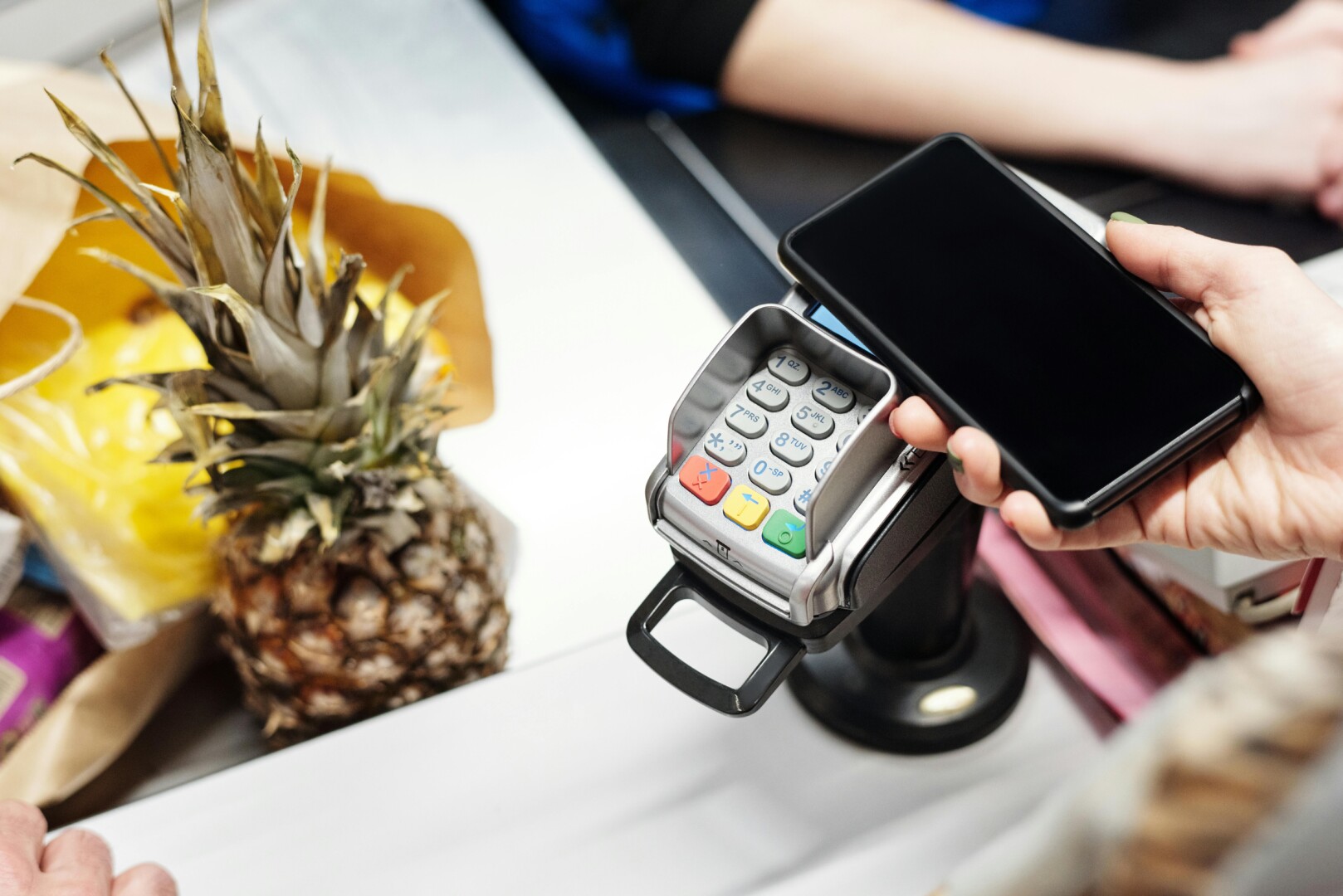
Payment processing is suddenly a headline issue, fueled by a surge in digital fraud and security problems around the globe. Every week brings new stories of transfers frozen, payouts delayed, or transactions failing at the worst possible moment. These disruptions aren’t just technical hiccups—they’re now shaping how businesses and individuals navigate the digital economy.
For every new restriction or block, there’s a wave of resourceful responses. Some are clever, others skirt the edges of legality, but all highlight a growing pattern: as payment providers tighten controls, inventive workarounds multiply in response. This ongoing cycle of complication and improvisation has turned payment issues into both a public spectacle and a deeply personal challenge for many. The result is a race between innovation and risk that shows no signs of slowing down.
Unexpected shutdowns, public reaction, and the rise of influencer workarounds
For those caught in the ripple effects of sudden payment shutdowns, the experience often comes as a shock. Regular transactions—whether for small businesses, freelancers, or even gamers—can come grinding to a halt overnight. When these blocks hit, the first response is often confusion followed closely by anxiety, as people scramble to understand what happened and what to do next.
Communities quickly turn to social media and online forums, sharing stories of frozen funds or delayed payouts. The sense of disruption is palpable, especially for those who rely on digital payments for their day-to-day income or hobbies. These conversations move fast, and frustration can quickly morph into collective problem-solving as users share tips and warnings with each other.
Influencers and digital entrepreneurs have become unexpected leaders in this landscape. For instance, Twitch streamer Dice Girl has openly discussed creative tactics to bypass payment blocks, offering guidance and a sense of solidarity to her followers. Such workarounds have begun to catch the eye of industry players; game providers like Tom Horn Gaming are starting to notice how these strategies impact their own businesses and community relations.
As these solutions spread, they do more than just help individuals—they exert real pressure on payment providers to adapt. At the same time, they highlight the resilience and adaptability of online communities, who find new ways to keep money moving even in the face of growing obstacles.
How payment blocks drive rule-bending and new schemes
When traditional payment channels get blocked or delayed, people don’t just wait for things to improve—they start looking for ways around the roadblocks. This urgency to keep funds moving has sparked a surge in creative workarounds, some perfectly legal and others that fall into murkier territory. It’s now common to see users turning to crypto payments, using digital wallets based abroad, or relying on informal transfer systems when official ones falter.
Not all these solutions play by the same rules. Some stay within regulatory gray zones, but others slide into outright scams or fraud. The numbers show just how quickly things are escalating. In 2024, over 80% of U.S. organizations were targeted by payment fraud—a sharp jump from previous years, with total fraud losses topping $12.5 billion. Meanwhile, investment scams have become the most costly scam category in the United States, outpacing others by a wide margin.
This pattern of improvisation and risk-taking means payment providers and regulators are always catching up. New tactics spread through word of mouth and online communities, making it harder to draw clear lines between clever workaround and criminal scheme. Ongoing analysis, like the information found in Payment fraud statistics, shows just how quickly both the risks and the responses are evolving.
- Crypto and overseas wallets are now common fallback options.
- Fraud losses have grown rapidly, especially in the U.S. market.
- Regulators face growing difficulty in distinguishing innovation from exploitation.
- Communities share workaround tips at a pace that outstrips traditional oversight.
Fraud, scams, and the European backdrop
Europe is no stranger to the rise in payment fraud, even as headlines often center on North America’s escalating losses and regulatory challenges. New cases across the EU demonstrate how sophisticated financial schemes are taking root—sometimes mirroring the tactics seen in the United States, where fraud losses recently soared by 25% in a single year. The region’s growing reliance on digital payments, combined with its open borders, has created fertile ground for cross-border scams and investment frauds.
High-profile investigations like the Fraud indictment Slovenia reveal the sheer complexity of tracking illicit funds as they move through multiple countries and financial systems. Meanwhile, the EU’s own debates around digital security and regulatory oversight are frequently shaped by such cases, underscoring the limits of enforcement in a fast-changing landscape.
Each major scam not only shakes public confidence but also prompts swift responses from policymakers and banks. In response to widely reported incidents, many European countries are now tightening transaction monitoring and pushing for more seamless cooperation between national authorities. The cycle of fraud, exposure, and reform seems set to continue as digital economies across Europe mature and criminals adapt their strategies.
- Cross-border payment fraud is becoming more frequent as digital transactions increase in the EU.
- Cases like large-scale investment schemes and subsidy frauds highlight enforcement gaps.
- Regulators and financial institutions are introducing stricter oversight to restore trust.
- Public awareness campaigns are growing alongside legislative reforms.
From risk to resilience: the ongoing shift in payment systems
As regulators tighten oversight and public awareness grows, payment systems are being forced into a period of rapid adaptation. The sheer scale of fraud—like the $12.5 billion lost by U.S. consumers in 2024 alone—means that old approaches simply aren’t enough anymore. Financial institutions and technology platforms are moving beyond reactive solutions toward more resilient, forward-looking systems.
This shift is about more than plugging gaps. Real-time monitoring, smarter artificial intelligence, and adaptive regulation are all coming into play to keep up with evolving tactics. At the same time, payment providers are reevaluating the balance between access and control, seeking ways to support legitimate transactions while filtering out suspicious activity more effectively.
Recent international trends and high-profile cases are accelerating this rethinking. Insights from global studies, such as Building a resilient payments system, point to the importance of collaboration between banks, technology companies, and regulators. These partnerships are laying the groundwork for systems that can withstand not just today’s fraud, but tomorrow’s unknown threats.
- Institutions are investing heavily in advanced analytics and machine learning for fraud detection.
- Collaboration between regulators and private firms is shaping new standards for digital payments.
- Adaptive, real-time controls are becoming the norm in high-risk transaction environments.
Ultimately, the future of digital payments will depend on how quickly these innovations can outpace the cycle of fraud and workaround—striving for resilience without sacrificing accessibility.
Public fascination and private adjustment
This constant cycle—fraud, workaround, reform—has become more than just a technical issue; it’s a topic that grabs public attention and sparks real conversation. Each new report of blocked payments or inventive evasion tactics adds fuel to debates about trust, security, and the limits of digital convenience.
For individuals and businesses alike, the challenges of navigating payment restrictions now feel like part of daily life. Stories like the EU funds fraud Bulgaria case highlight how widespread and impactful these issues have become, shaping not just policies but also personal choices.
As payment systems evolve, the fascination with how money moves—and sometimes stalls—continues to grow. People adjust in small ways, taking extra precautions or adopting new tools, even as the broader cycle of block and workaround persists in the background. In this environment, the way we think about convenience and risk is being quietly rewritten.
