




In Romania, Calin Georgescu, a radical populist with EU and NATO skeptic views is informally known as ‘Moscow’s man.”
He denies it but Russia is increasingly_ and publicly_ coming to his defense even while denying they are connected to him.
Last week, the Russian Foreign Intelligence Service (SVR) alleged that European Union leaders were “clearly” being behind the decision to bring criminal charges against ex presidential Georgescu, who was indicted on Feb. 26 for charges, including actions against the constitutional order.
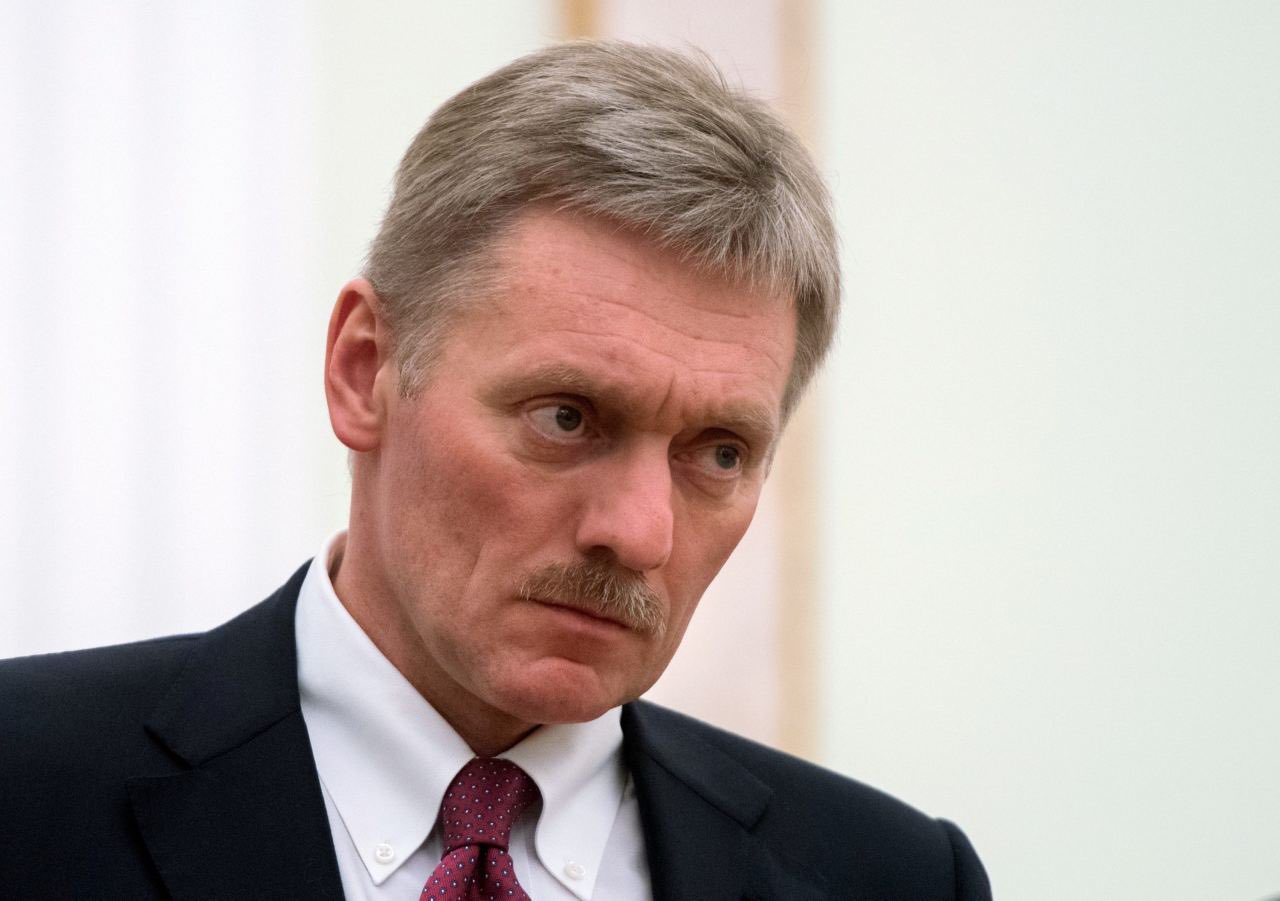
On Tuesday, Kremlin spokesman Dmitry Peskov, voiced his annoyance at a move by election authorities to bar Georgescu from standing in May presidential elections.
Not allowing the 62-year-old who unexpectedly won the first round of elections (which were subsequently canceled over allegations of Russian interference_ “a false reason” according to Moscow ) “to participate in the presidential elections will delegitimize the electoral process in Romania”, Peskov said.
“In this context…. any elections that will take place without him (Georgescu) will be illegitimate,” the Kremlin spokesman said in a discussion with journalists.
He repeated that Russia has nothing to do with Georgescu: “They accuse our country of having something to do with Georgescu, it is total nonsense. It is an absolutely unfounded accusation,” he insisted.
The Romanian government has scheduled repeated presidential elections for May 4 and 18.
Prosecutors have charged Georgescu with six counts including acting against the constitutional order and false statements about his finances. The Central Electoral Bureau on Sunday barred Georgescu from running in May elections. He has appealed.
Russian Foreign Minister Sergei Lavrov on Tuesday also alluded to the development, saying: “in countries like Romania, flagrant things are happening in the electoral field.”
