














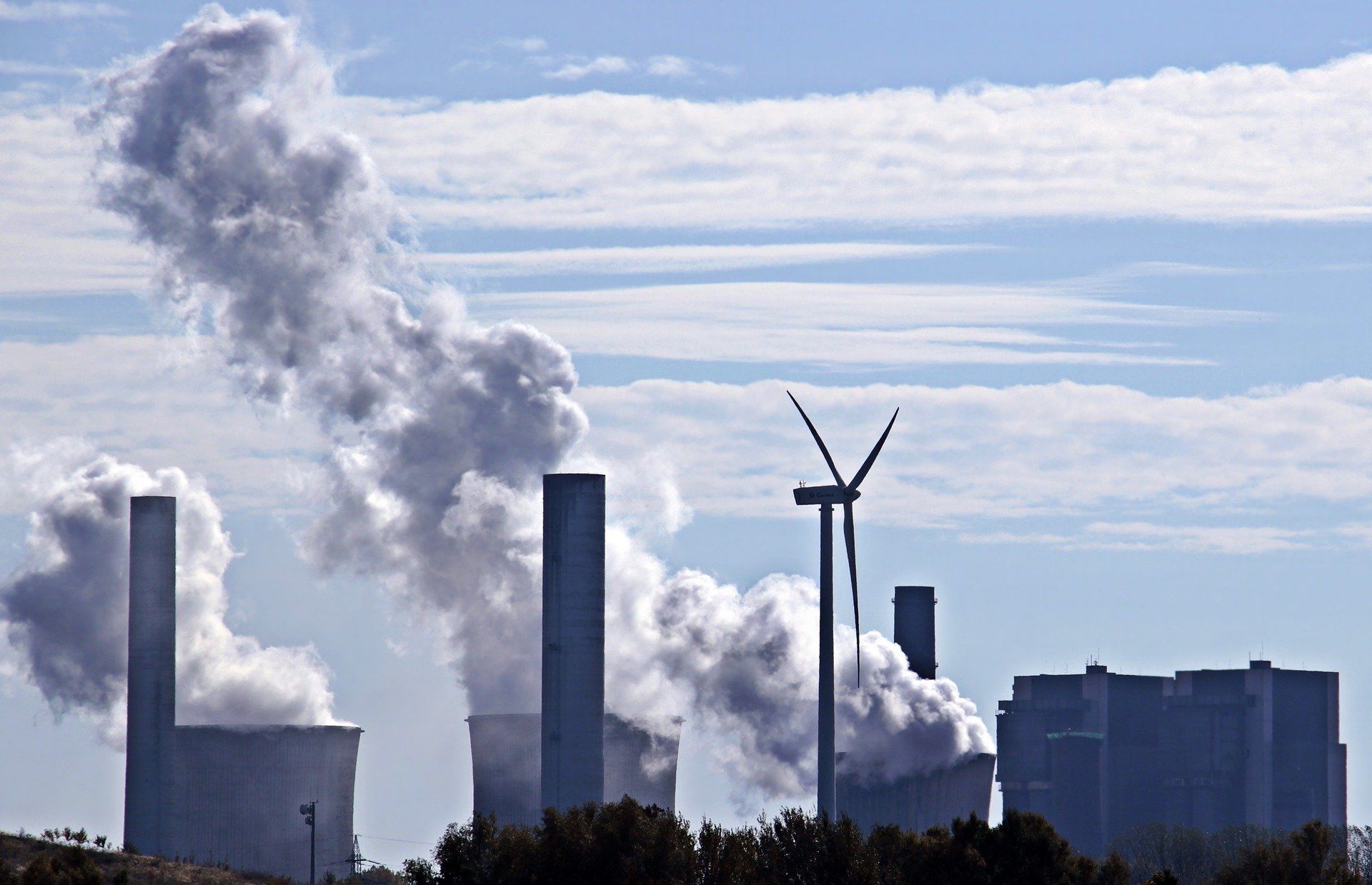
After nearly 150 years, the United Kingdom will stop burning coal to produce electricity.
Its very last coal power station, at Ratcliffe-on-Soar, closed forever on October 1st.
This marks a major milestone in the country’s ambitions to reduce its contribution to climate change, the BBC points out.
Coal is the dirtiest fossil fuel producing the most greenhouse gases when burnt, and has been responsible for an enormous deal of pollution.
But it was also an enormous source of livelihood, ushering in the Industrial Revolution.
The UK was the birthplace of the coal power station, first brought to Holborn by Thomas Edison.
Now it is the first major economy to give coal.
In 2012, it still generated 39% of the UK’s power. But electricity mix by gas has completely taken coal over since then. This coincided with the global decision to to reduce greenhouse gas emissions.
The growth of renewables has been so successful that the target date for ending coal power was brought forward a year, says the BBC.
The next challenge is that of supplementing thousands of lost jobs – hopefully replacing them with new ones in the field of renewable energy, though these, being weather-sensitive, are more volatile in a place like the UK. One solution may be that of more jobs in the field of battery technology – typically produced by China. In fact, these plants, instead of being left to dilapidation, will probably be repurposed as battery units, or at least as storage.
In any case, this is a landmark moment for the zero emissions goal.
What’s going on with the higher education faction in Romania?
