





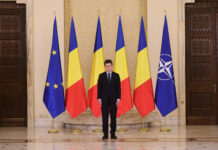
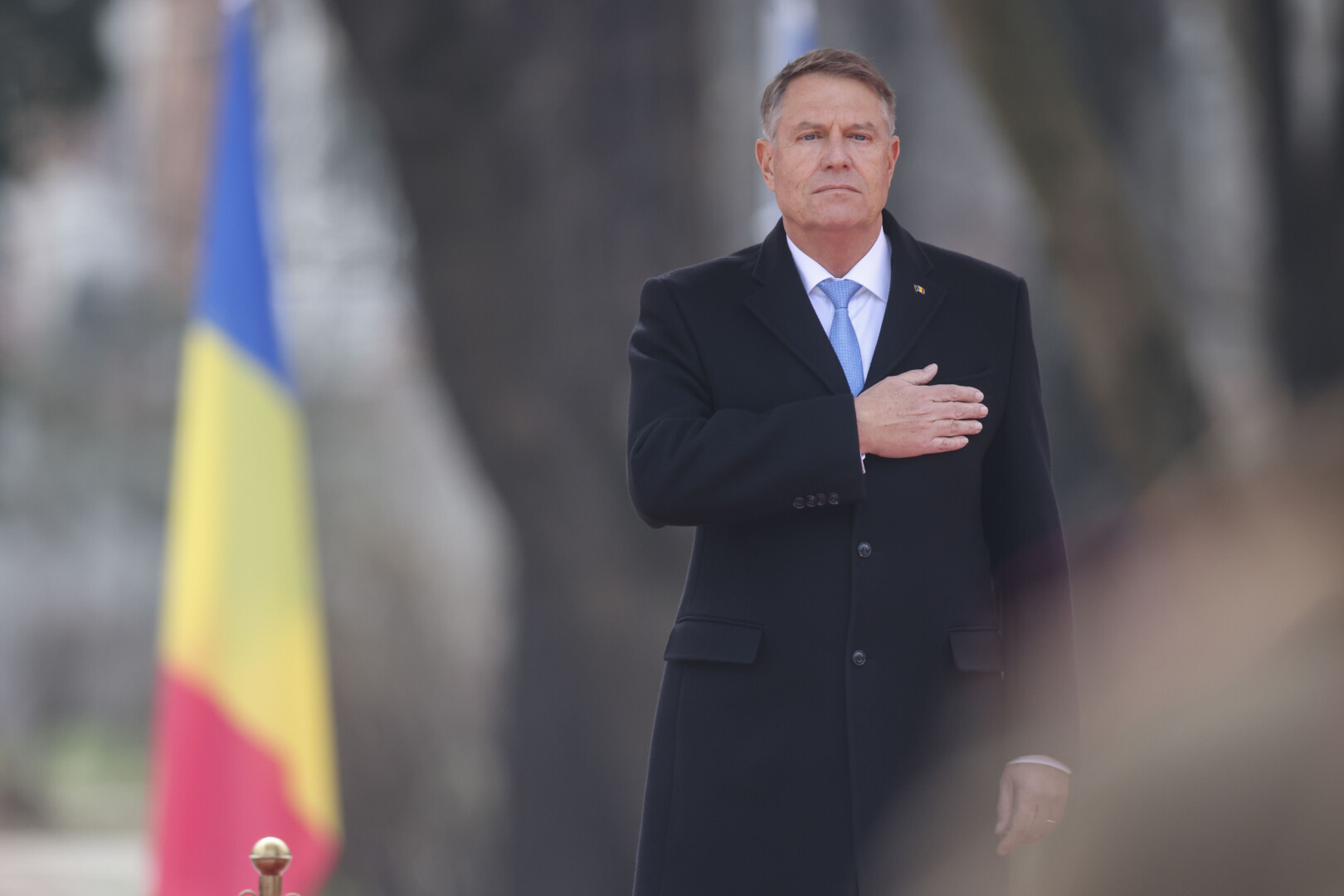
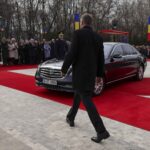
On Wednesday shortly after noon, President Klaus Iohannis walked down the stairs of the 17th century Cotroceni Palace, the seat of Romanian political power and his personal office for the past 10 years and 52 days, for the last time.
Wearing his overcoat, his visitor and temporary successor Ilie Bolojan was dressed in a light suit as he waved him off and stayed behind to start his new job. This was the end of Iohannis’ administration, “the greatest honor of my life” as he called it in an emotional National Day speech on Nov. 30, 2024.
“Look after Romania!” the 65-year-old leader exhorted Mr. Bolojan, now the interim president with limited powers and a limited time in office until Romania holds fresh elections after the first round was canceled over alleged Russian interference. This was Mr. Iohannis moment, the end of an era, the start of a transition, but not the beginning of a new one.
The last two months of his presidency have been marked by political turmoil and a rise in nationalism, the very thing the pro-European leader abhors, bears some responsibility for, but was powerless to stop, like a sea that has broken through a wall and cannot be held back.
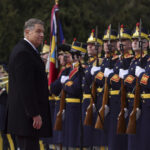
A black limousine car took him down the hill for the final ceremony with full military honors. His staff cheered him, though the atmosphere was somber, a reflection of the political crisis Romania finds itself in. Even his enemies paused for a moment to admire the handsome and presidential-looking leader as he saluted the military and waved goodbye to his staff.
Facing an impeachment and a referendum to oust him from power, though he was due to step down in May anyway, Mr. Iohannis became the first Romanian president to resign his office on Monday, a sacrifice that protected Romania from more turmoil and preserved his legacy, probably the least worst of all the possible bad outcomes.
Historians will write his legacy and in time the public mood will soften against the former mayor of Sibiu. A tide of public anger grew even as Romania joined Schengen, a long-held dream and major economic achievement and its citizens were given the green light to travel to the United States without a visa.
Fluent in English and German, Klaus Iohannis kept Romania in a Western orbit and remained the most reliable Ally of the EU and NATO in the region, not to be underestimated with a three-year war on Romania’s borders. He was criticized for all sorts of things, some of them fair, many of them merely opinions on his personality, but he never hit back or tried to restrict criticism. He could have communicated better.
For now, Mr. Iohannis returns to his hometown of Sibiu as Romania faces the biggest geopolitical challenge since communism ended: will it stay in the family of Western nations or will it move closer to Russia?

US Envoy offers Romania help to investigate foreign interference in presidential election
