










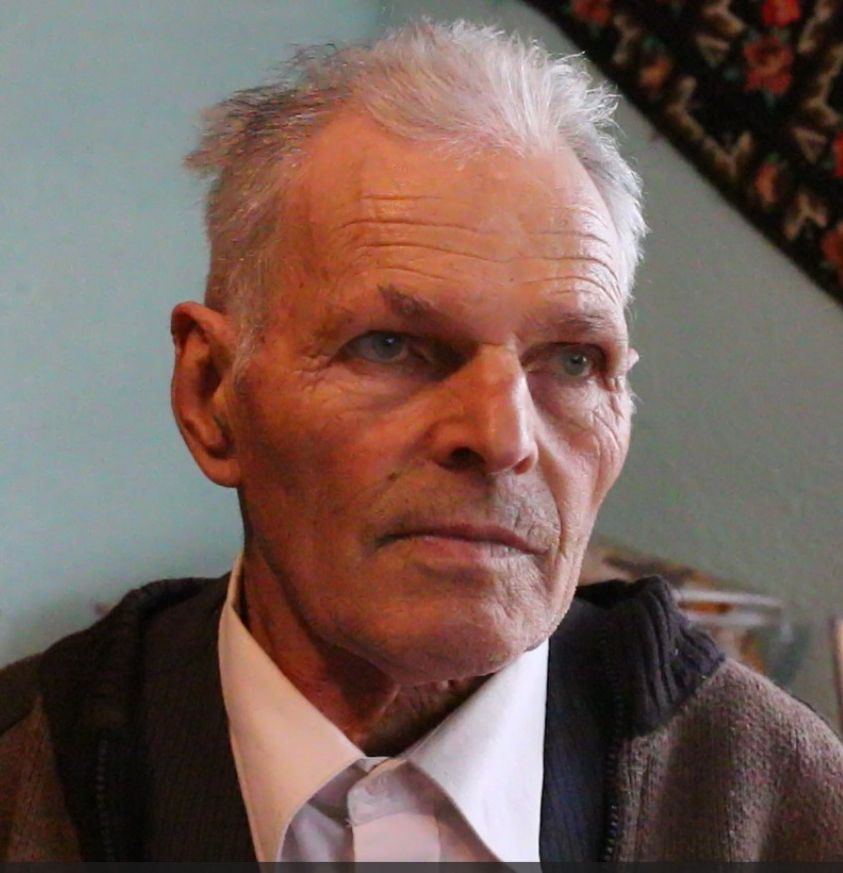
Eugeniu Chirca, the last survivor of Romania’s anticommunist resistance who was arrested and spent eight years as a prisoner in the country’s harshest jails, has died at the age of 93.
He died in the village of Cosesti in southern Romania at home on Sunday, media reported.
Romania’s anti-communist resistance from 1949 to 1958 was the longest in Europe, and Chirca who came from the village of Nucsoara, in the Carpathian foothills was part of it.
He joined the resistance movement when he was just 19 years old, together with his mother, father and one of his brothers. Romania was taken over by the communists after World War II and the whole country gradually fell under its grip, and dissent was stifled.
“His other younger brothers were taken by the Securitatea (communist secret police) from school and taken to an orphanage in Campulung,” history teacher Constantin Berevoianu wrote.
Together with his father, Nel Chirca, “the one who knew Fagaras not only mountain by mountain, but also stone by stone”, Eugeniu built the first shelter for partisans at Izvorul Grosului, 10 kilometers from Nucşoara, a place that was hard to reach.
He was caught by the Securitatea in the autumn of 1949, after six months of resistance. He was taken to the city of Pitesti, interrogated and beaten over the course of several months. He was incarcerated as a political prison in Jilava, Aiud, the labor camp at Periprava and Baia Sprie, where there were lead mines.
“What else did we shoot at Jilava… There were 140 inmates in one room. The guard ould take us all out, round us up in five rows at a time, and have us go around what was like a big mound of earth. There were many old, bitter people with me…. We had to go around that mound until we couldn’t anymore. Some fell and did not get up”, Eugeniu Chirca said eight years ago in an interview for “Weekend Adevarul”.
The most difficult was at Baia Sprie, where he worked in lead mines. “But I received the worst beatings in Pitesti,” Eugeniu Chirca recalled in 2016.
But his biggest regrets were losing his family. His parents died when he was in prison: his mother died in Mislea prison while his father was shot in the mountains.
When he got out of prison in 1957, aged 26, Eugeniu felt old, worried and frightened by the Securitate who seemed to be everywhere: “After they released me from prison, the security guards asked me if I knew anything about the Arnăuţoiu brothers. What else did I know? I had been in prison for so many years… But the security guards said it was impossible not to know anything.”
Despite his role, Chirca never received compensation for his suffering despite winning a court case in 2011.
On June 22, 2011, the Arges Tribunal handed down a sentence awarding compensation of 10,000 euros to Eugeniu Chirca for his sufferings during the communist period—the equivalent of three euros for every day of detention spent in communist prisons.
But he did not get even that. He had sued for damages worth two million euros.
Skeletons of political prisoners at communist labor camp found in eastern Romania
